7 Best Rome Food Tours: Expert Reviews & Neighborhood Guide (2026)
Discover the best food tours in Rome. Compare top-rated walks in Trastevere and Testaccio, learn how to spot tourist traps, and book the perfect culinary experience.
On this page
7 Best Rome Food Tours
On my fourth visit to Rome last spring, I realized that the best meals aren't found in guidebooks but in the backstreets of Trastevere. Navigating the Eternal City's culinary landscape can be overwhelming when every corner claims to serve the most authentic carbonara. A guided food tour removes the guesswork by connecting you with local vendors who have spent decades perfecting their craft.
This guide has been refreshed in June 2026 to ensure all pricing and route details remain accurate for your trip. We have personally vetted these experiences to help you find the perfect balance between iconic sights and hidden neighborhood gems. Whether you are a solo traveler or visiting with family, these selections represent the gold standard of Roman hospitality.
Before you book, it helps to understand 20 Best Foods to Eat in Rome: The Ultimate Local Guide to appreciate the seasonal nuances of the menu. From the crunchy exterior of a fried supplì to the creamy depth of artisanal gelato, every bite tells a story of the city's history. Let's explore the top-rated tours that will turn your Roman holiday into a true feast for the senses.
Why Take a Food Tour in Rome?
Rome is a city where tourist traps thrive, especially near major landmarks like the Pantheon or the Colosseum. Walking into a restaurant with a multi-language plastic menu often leads to overpriced, mediocre pasta that lacks soul. A food tour acts as a protective shield, guiding you toward the spots where locals actually eat their lunch.
These experiences offer more than just calories. You will learn why Roman pizza is thin and crispy compared to the doughy Neapolitan style, and why Pecorino Romano is preferred over Parmigiano in every one of the four classic Roman pastas: cacio e pepe, carbonara, amatriciana, and gricia. Guides often share stories about the families running these shops, adding a layer of human connection to every tasting.
If you are short on time, a tour is the most efficient way to sample ten or more specialties in a single afternoon. Instead of spending hours researching, you can trust an expert to curate a seamless progression from savory snacks to sweet desserts. This is particularly helpful for first-timers who want to establish a baseline for quality before exploring on their own. Guides consistently recommend restaurants for the rest of your trip — names like Da Armando al Pantheon and Gelateria del Teatro on Via dei Coronari — so the value extends well past the tour itself.
Most Rome food tours require you to come with an empty stomach—portions are generous and you will sample 10 to 15 items across 3 to 4 hours. Skip lunch beforehand and wear comfortable walking shoes for cobblestone streets.
How to Choose the Right Food Tour in Rome
When selecting your tour, neighborhood is the most important factor because it dictates the vibe and the types of food you will encounter. Trastevere is lively and romantic, making it the top choice for couples or social groups who enjoy evening wine and pasta. Testaccio is where you should go for a grit-and-glamour look at traditional Roman butchery and market culture, while the Jewish Quarter focuses on the city's extraordinary Roman-Jewish frying traditions.
Group size matters almost as much as location. Tours capped at 12 to 15 people feel genuinely personal; anything over 20 quickly becomes a parade through restaurants rather than an immersive experience. Evening tours with wine pairings work well as a dinner replacement, while morning market tours are better for families and non-drinkers.
Consider your mobility needs, as many historic areas have steep steps and narrow passages that are not always wheelchair accessible. If you have specific requirements, look for an accessible guided Rome food tour to ensure a smooth experience. Cooking classes are often the most accessible option since they take place in a single venue rather than across cobblestone streets.
Neighborhood Comparison at a Glance
- Trastevere — Romantic evening vibe, heavy wine component, great for couples and solo travelers looking to meet people. Evening slots from 17:00. Best for social groups.
- Testaccio — Morning market focus, traditional offal cooking, more food-forward and less alcohol-heavy. Starts around 10:00. Best for families and food purists.
- Jewish Quarter / Campo de' Fiori — Historic frying traditions, carciofi alla giudia, seasonal artichokes. Shorter 2.5-hour format, lower price point. Best for those on a tight schedule.
- Prati (Vatican area) — Residential, less touristy, upscale wine pairings. Evening format. Best for wine lovers staying near the Vatican.
The Twilight Trastevere Experience (Carpe Diem)
The Carpe Diem Trastevere Food Tour is a 3-hour evening walk departing from Piazza Mastai, with multiple slots available from 17:00 to 19:00. The price sits around €80 per adult in 2026, and groups are capped at 15 people. You can book directly through Carpe Diem Tours, where a 20% discount is periodically available for direct bookings.

The route begins at a family-run norcineria that has operated in Trastevere since 1954, where the guide leads a side-by-side tasting of Parmigiano Reggiano versus Pecorino Romano — a fun way to understand why Roman pasta tastes different from anything else in Italy. From there the group moves to Supplì Roma for the deep-fried rice balls that are the city's most iconic street snack. Each supplì is piping hot, crispy on the outside, and gooey with mozzarella at the center.
The third stop typically covers pizza al taglio at a well-regarded Roman slice shop, followed by a seated dinner of rigatoni all'Amatriciana at a trattoria with ivy-covered walls. One highlight unique to this route is a brief descent into a wine cellar that dates to 80 BC, about 160 years older than the Colosseum. The tour closes with gelato at Fior di Luna, widely considered one of the most authentic gelaterias in Trastevere.
The evening light transforms the terracotta buildings, providing a stunning backdrop for the walk. This is also the best-rated tour for solo travelers: groups are talkative and the 3-hour format gives you time to connect without feeling rushed. Not ideal if you are strictly vegan or gluten-free, but vegetarians are accommodated with advance notice.
The Testaccio Market & Neighborhood Tour
Testaccio is often called the heart of Rome because it was once the site of the city's massive slaughterhouse. This history created a unique culinary tradition focused on the "fifth quarter" — the offal and less-expensive cuts of meat that workers were paid in instead of cash. The tour here runs about 4 hours, starting around 10:00, and costs approximately €90 per person with Devour Tours.
The Testaccio Market has over 100 stalls and shuts promptly at 14:30, so a morning start is essential. The guide takes the group to vendors she knows personally — stalls selling cured meats, aged Pecorino, and seasonal produce — before stopping at a historic deli that has been in the same family for generations. This is also where the Tripe Challenge takes place: Trippa alla Romana, simmered in tomato sauce with wild mint and Pecorino, has converted many skeptical visitors.
The tour includes both breakfast and lunch, so arrive hungry. It finishes with a sit-down pasta lunch at a local restaurant, where local classics like cacio e pepe appear in smaller tasting portions. Fernanda, a longtime Devour guide on this route, reliably points the group toward neighborhood landmarks like Checchino dal 1887 and Da Felice a Testaccio for independent return visits. This tour is the better pick for families and non-drinkers, as the alcohol component is lighter than the evening Trastevere options.
Testaccio tours typically cost €90 per person and run 4 hours, making them one of the longer and more food-intensive experiences. Book at least one week in advance during peak season (May–September) to secure your spot, as group sizes are limited to 12–15 participants.
The Jewish Quarter & Historic Center Walk
The Jewish Ghetto is one of the most poignant and beautiful corners of the city, offering a distinct culinary heritage that no other neighborhood replicates. Roman-Jewish cooking is famous for its frying techniques, perfected over centuries in tight quarters with limited ingredients. Sampling a piece of pizza ebraica — a dense, fruitcake-like pastry scented with anise and dried fruit — is a must for anyone interested in historical sweets.

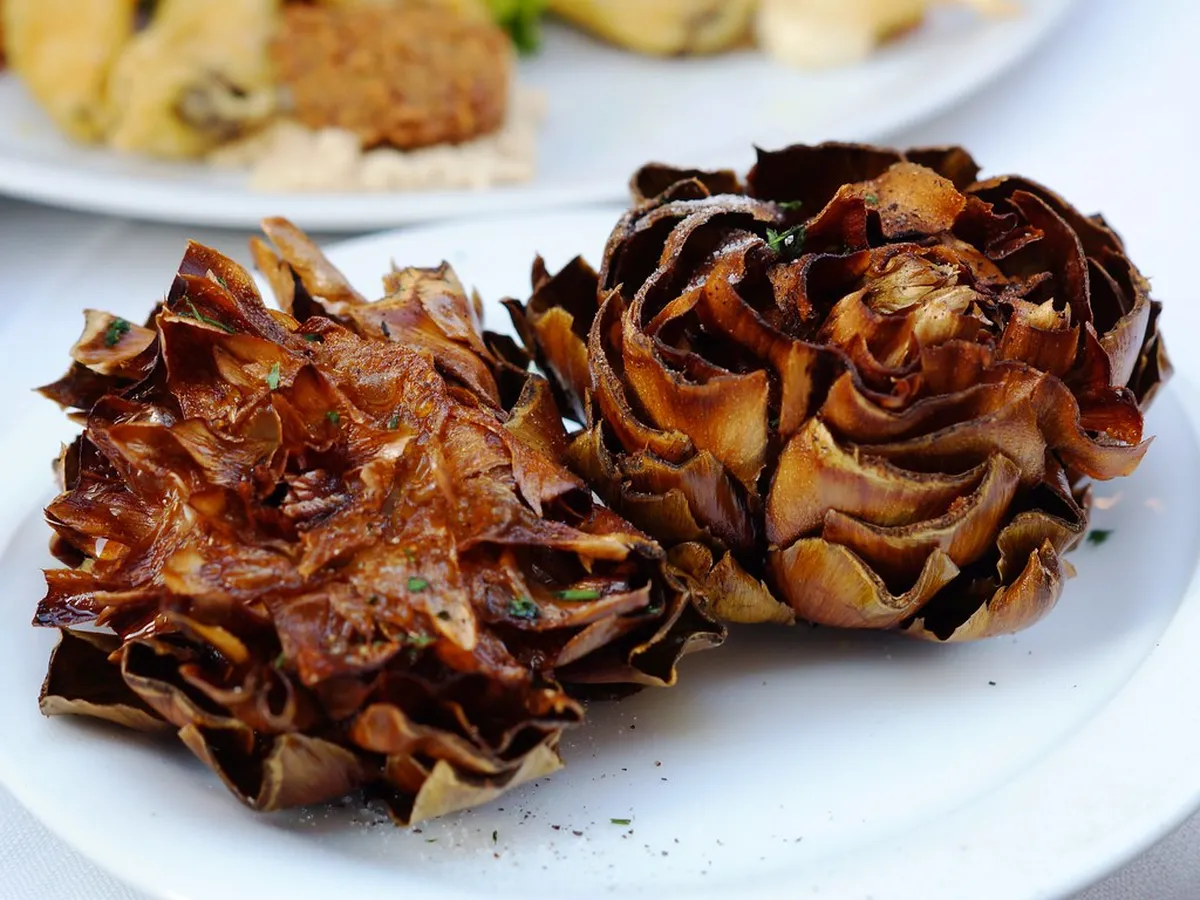
Walking toward Campo de' Fiori, you will encounter the intoxicating smell of freshly baked pizza bianca from local fornos. This simple bread, brushed with olive oil and sea salt, is the foundation of Roman street food culture and best enjoyed while standing in the square watching the flower vendors arrange their daily displays. The star of this route, however, is carciofi alla giudia: a whole artichoke deep-fried until the outer leaves shatter like chips while the heart stays tender. The artichokes are seasonal, with the finest harvest running from late winter through May.
This walk is typically the most compact and affordable option, running 2.5 hours at around €40 to €50 per person. Tours depart from near the Turtle Fountain at 11:00. Before you leave the area, consult our guide on 12 Best Restaurants in Rome to find a spot for a return visit. Many shops in the Ghetto close early on Friday afternoons for the Sabbath, so plan your tour for earlier in the week.
Rome Cooking Classes & Pasta Making
If you want to bring Roman flavors home, a hands-on cooking class is a different kind of investment from a walking tour. Most classes take place in a dedicated kitchen — Devour Tours operates one in Trastevere — and run for 2.5 to 3 hours. Prices range from €80 to €130 per person depending on inclusions.
The pasta-making class starts with Prosecco and cured meats, then a chef teaches you to make two fresh pasta shapes and two sauces from scratch. Once cooked, you sit down and eat what you have made, followed by a gelato demonstration. Groups are capped at 14 people and you leave with printed recipes. The pizza-making class follows a similar format, covering dough, toppings, and oven technique, and pairs the finished pizza with beer and wine. Both are genuinely family-friendly — instructors are experienced at keeping younger guests engaged throughout.
A tiramisu and fettuccine combination class is also available near Castel Sant'Angelo for those who want to cover pasta and dessert in a single session. Private cooking classes for 2 to 10 people cost more per head but allow the chef to adapt entirely to your dietary needs, which is the best solution for guests with multiple restrictions. These are also worthwhile for groups celebrating a birthday or anniversary who want a more intimate setting. Check our 14 Best Gelato Shops and Tips in Rome guide if you want to supplement your class with some independent tastings afterwards.
Dietary Restrictions: Which Tour Works for You
Roman food is fundamentally built on bread, pasta, pork fat, and aged cheese — which means group tours present real challenges for guests with dietary restrictions. Most operators bury their policies in the FAQ, so here is a plain breakdown before you book.
Vegetarians are accommodated on most group walking tours with 48 hours' advance notice. Guides substitute meat-based bites with vegetable-forward options: think fried zucchini blossoms, artichoke dishes, or cheese-and-produce stops. Carpe Diem and Devour both confirm they can handle vegetarian requests on their standard Trastevere and Testaccio routes.
Gluten-free guests face a harder road. Roman street food is dominated by pizza bianca, supplì, trapizzino, and pasta — all wheat-based. Group tours cannot reliably source gluten-free substitutes at every stop, and cross-contamination is common in market environments. A private food tour, where the guide plans the route specifically for you, is the only realistic option for celiacs. Sage Traveling specializes in exactly this kind of accessible guided Rome food tour and can arrange itineraries around your needs.
Vegans should also default to private tours. The wine-heavy evening formats include charcuterie and cheese as core components, and the cooking classes center on egg pasta and animal-based sauces. Morning market tours offer the most plant-based flexibility — vendors stock fresh seasonal produce, legumes, and olive oil products — but even these will have moments where there is little for a vegan to try. For the best coffee fix between stops, check out this guide to the best coffee in Rome for cafes that stock oat milk.
How to Spot Fake Gelato Before You Queue
Every food tour in Rome includes a gelato stop, and most guides will walk you through the same checklist — but knowing it in advance saves you from wasting €4 on tourist-trap gelato on your first afternoon. The signs are visible from the street and take about five seconds to read once you know what to look for.
- Color is neon or unnaturally bright. Real pistachio gelato is dusty grey-green, not vivid emerald. Real strawberry is pale pink-red, not cherry red. Artificial dyes mean artificial flavors.
- The gelato is piled high in fluffy mounds above the rim of the tin. Authentic gelato is dense and kept flat or slightly below the rim. Piled mounds trap air and almost always indicate a mix-based product pumped with stabilizers.
- The shop displays gelato in open tins rather than covered metal containers called pozzetti. Pozzetti keep gelato at the correct temperature without exposing it to air and light. Open tins are a convenience for display, not for quality.
- The menu covers every flavor imaginable. A well-made gelateria rotates seasonal flavors and keeps the selection tight — 12 to 20 options at most. A counter with 40 flavors is a sign of industrial production.
- The shop is within 50 meters of a major tourist site. Not a hard rule, but proximity to the Trevi Fountain, the Pantheon, or the Colosseum is a reliable warning sign. Walk two streets further away and the quality jumps noticeably.
On any of the tours listed above, your guide will identify at least one reliable gelateria in their neighborhood. Fior di Luna in Trastevere and Gelateria del Teatro on Via dei Coronari are two of the most consistently recommended by guides across different operators.
Rome Food Tour FAQ
Most travelers have similar concerns when booking a culinary experience, ranging from dietary restrictions to the appropriate amount to tip. We have compiled the most frequent questions to help you prepare for your tour through the city streets. If you have more time after your tour, consider a Rome 3-day itinerary to see how to fit these meals into a larger trip.
Frequently Asked Questions
How much does a food tour in Rome cost?
Most Rome food tours cost between €60 and €130 per adult, with prices varying by neighborhood and inclusions. Budget-friendly market and pizza walks near the Vatican start around €60, while upscale wine-pairing experiences in Prati or hands-on pasta classes reach €110 to €130. The price almost always covers all food and drink, so you won't need to budget for extra tastings along the way.
Which neighborhood is best for a food tour in Rome?
Neighborhood choice dictates the vibe and the food you'll sample. Trastevere is lively and romantic, ideal for couples and social groups who enjoy evening wine and pasta. Testaccio offers a grit-and-glamour look at traditional Roman butchery and market culture, while the Jewish Quarter and Campo de' Fiori highlight historic frying traditions like carciofi alla giudia.
How long does a typical Rome food tour last?
Most Rome food tours run between 3 and 4 hours, covering ten or more tastings across several stops. Evening Trastevere and Prati tours tend toward the full 4 hours, while morning market walks in Testaccio or near the Vatican usually last around 3 to 3.5 hours. Come with an empty stomach, as the portions of pasta and supplì are surprisingly generous.
Are food tours in Rome worth it for first-time visitors?
Yes, a food tour is one of the best investments for first-timers because it steers you away from tourist traps near the Pantheon and Colosseum toward spots where locals actually eat. Beyond the food, guides share the stories behind family-run shops and teach you how to spot authentic gelato and Roman-style pizza, giving you a quality baseline for the rest of your trip.
Taking a food tour is the single best investment you can make to ensure your Roman holiday is delicious and authentic. By stepping away from the tourist-heavy squares and into the local markets, you gain a deeper appreciation for Italy's culinary soul. Whether you choose the romantic streets of Trastevere or the historic stalls of Testaccio, you will leave with a full stomach and a new perspective. For the full city overview, see our complete complete Rome travel guide guide.
Don't forget to book your preferred tour early, especially if you are visiting during the busy summer months. Use the tips you've learned from your guide to navigate menus for the rest of your stay in the Eternal City. Rome is a city that demands to be tasted, one supplì and one glass of wine at a time.
You might also like
Continue reading
More guides you'll find useful