Best Time to Visit Lecce: The 10-Point Seasonal Guide
Discover the best time to visit Lecce with our 10-point guide. Explore seasonal weather, beach timing, local festivals, and tips for avoiding the summer crowds.
On this page
The Best Time to Visit Lecce: A Complete Seasonal Guide
The best time to visit Lecce is from mid-May to mid-June or throughout the month of September. These months provide a perfect balance of warm weather and manageable tourist numbers for most visitors. I visited Lecce in late September and found the golden hour light truly magical for photography.
Updated October 2024 from my recent autumn 2024 visit to the beautiful Salento region in Puglia. During my recent trip, the temperatures stayed around 24°C / 75°F during the sunny and clear day. This allowed for long walks through the historic center without the intense and draining summer heat.
You can find more details on the Italy Wander blog for regional planning and itineraries. Lecce is famously known as the Florence of the South due to its incredible and ornate Baroque architecture. Choosing the right month ensures you see the limestone buildings in their most beautiful and golden light.
Key Takeaways
- Visit between mid-May and mid-June for the best balance of warm weather and lower crowds.
- Book restaurant tables at least three days in advance if you are visiting during the August holidays.
- Be aware that coastal shuttle buses and many private beach clubs close down after September 30th.
Best Time to Visit Lecce: Seasonal Overview
The best time to visit Lecce is from mid-May to mid-June or throughout the month of September. These months provide a perfect balance of warm weather and manageable tourist numbers for most visitors. I visited Lecce in late September and found the golden hour light truly magical for photography.
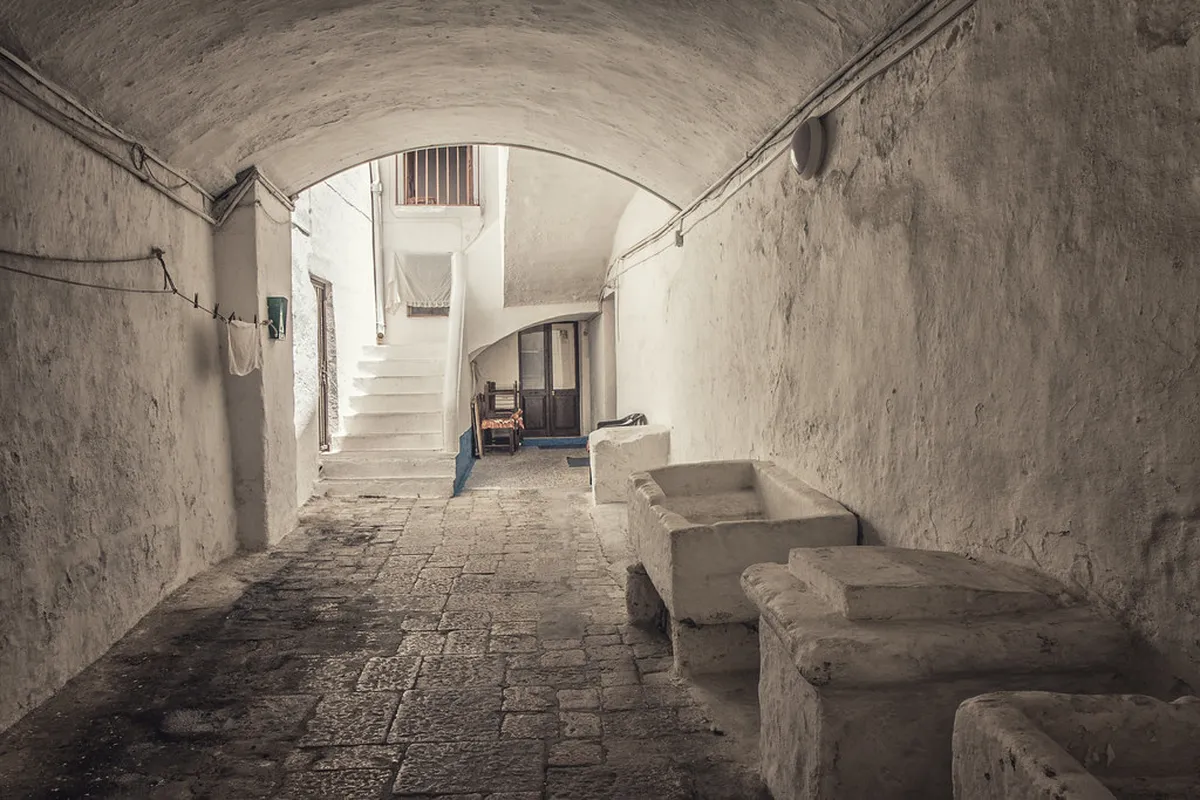
Updated October 2024 from my recent autumn 2024 visit to the beautiful Salento region in Puglia. During my recent trip, the temperatures stayed around 24°C / 75°F during the sunny and clear day. This allowed for long walks through the historic center without the intense and draining summer heat.
You can find more details on the Italy Wander blog for regional planning and itineraries. Lecce is famously known as the Florence of the South due to its incredible and ornate Baroque architecture. Choosing the right month ensures you see the limestone buildings in their most beautiful and golden light.
Season Comparison
Comparing the four seasons helps you align your trip with your personal and unique travel style. Each period in Puglia offers a very different atmosphere for international and local visitors alike. Budget travelers should look at the winter months for the best possible deals on local hotels.
Summer remains the most popular time for those heading to the nearby and stunning Salento coast. The transition months of May and September offer the most versatility for both city and beach exploration. Most people find the extreme heat of August a bit too intense for serious historic sightseeing.
Rainfall is generally low throughout the year, but the winter months do see occasional heavy rain showers. Planning around these weather patterns ensures you get the most out of your time in Puglia. Always check the local forecast for the Tramontana wind, which brings clear but very cool air.
| Season | Weather | Crowds | Prices | Events | Best for |
|---|---|---|---|---|---|
| Spring (Mid-March to May) | 15–22°C / 59–72°F | Moderate | Mid-range | Easter Parades | Sightseeing |
| Summer (June to August) | 28–35°C / 82–95°F | High | Expensive | Sant'Oronzo | Beaches |
| Fall (September to November) | 18–25°C / 64–77°F | Moderate | Mid-range | Wine Harvests | Foodies |
| Winter (December to February) | 8–14°C / 46–57°F | Low | Cheap | Christmas Markets | Budget |
Spring (March–May): Best for Sightseeing and Mild Weather
Spring brings blooming flowers and crisp air to the southern tip of the Salento peninsula. Daytime highs range from 16–22°C / 61–72°F based on typical climate data for these pleasant months. Walking through the city is much easier before the intense and humid summer sun arrives.
Local life starts to spill out into the squares as the cafes set up outdoor tables. You should try a warm pasticciotto pastry during a morning Lecce walking tour with Paolo. Most historic sites remain quiet enough to enjoy the intricate stone carvings without any long queues.
Easter traditions are particularly strong in this region and offer a unique glimpse into local culture. Many families gather in the squares to watch the solemn processions pass through the narrow stone streets. This period feels authentic and lacks the commercial pressure of the high summer tourist season.
Summer (June–August): Peak Season for Beaches and Nightlife
Summer in Lecce is hot, vibrant, and filled with incredible evening energy in the squares. Temperatures often climb above 32°C / 90°F during July, and the city adapts its whole rhythm around the heat — lunch fades into a mid-afternoon siesta, and real life resumes after 17:00 when the stone streets cool slightly. Locals survive the warmth by drinking caffè in ghiaccio, a Salento institution: a double espresso poured directly over ice and finished with a splash of almond syrup. You will find it at almost every bar from June onwards, and ordering it is the fastest way to signal you understand local culture. Most bars serve it from around 07:00 through to late afternoon — mornings are when it tastes best, made with the first fresh espresso of the day.
Nightlife reaches its peak as the city stays awake until the early morning hours. Check out the Lecce summer Salento guide for the best and most popular beach clubs. Finding a table at a popular restaurant requires booking several days in advance during July, and even further ahead in August.
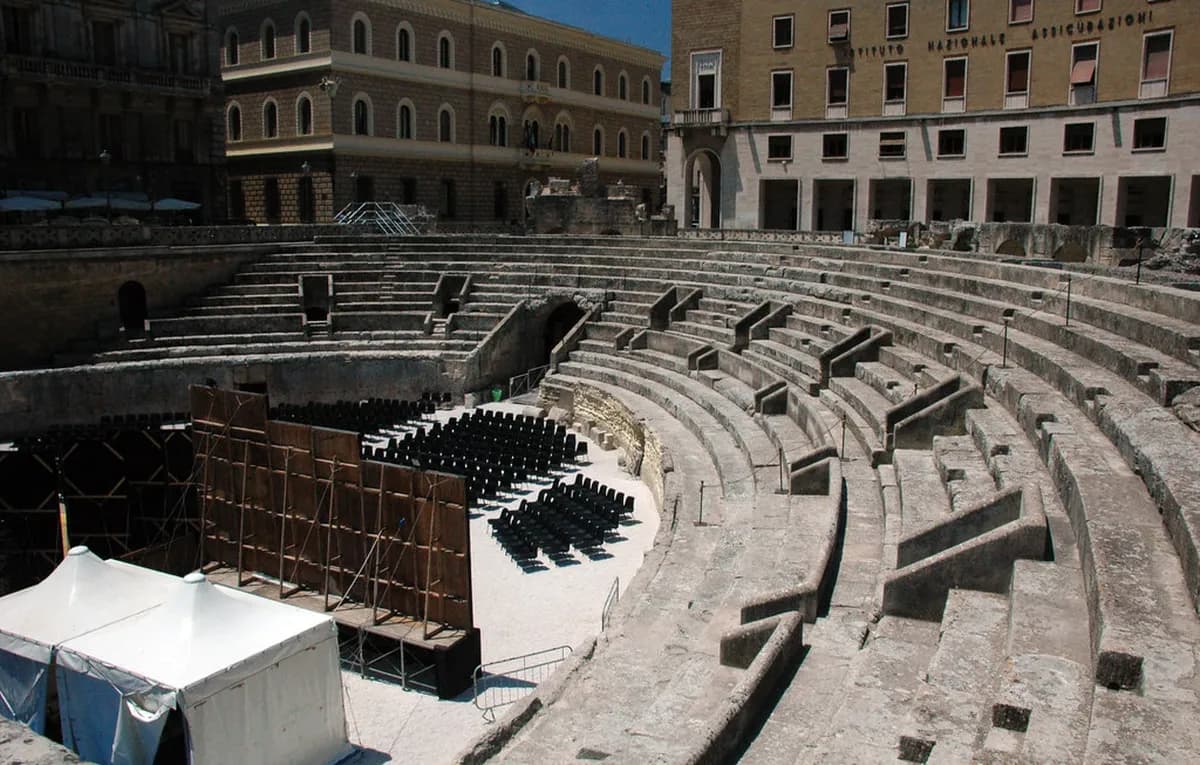
August brings the most intense crowds as Italians take their annual holidays — a period anchored around Ferragosto on August 15th. In the two weeks surrounding this national holiday, Lecce sees its highest domestic visitor numbers. Paradoxically, some smaller family-run restaurants and local artisan workshops close entirely during this period as their owners take their own holidays. Always call ahead before making evening plans during August 10–20. The streets are packed with people enjoying gelato and the warm evening air near the Roman amphitheater. You will experience the most energy but also the highest prices for hotels and local services.
Autumn (September–November): Ideal for Foodies and Wine Harvests
September is arguably the finest month for a luxury visit to the heart of southern Italy. The sea remains warm while the air cools to a comfortable 24°C / 75°F. Harvest season brings incredible new wines and olive oils to the local and traditional tables.
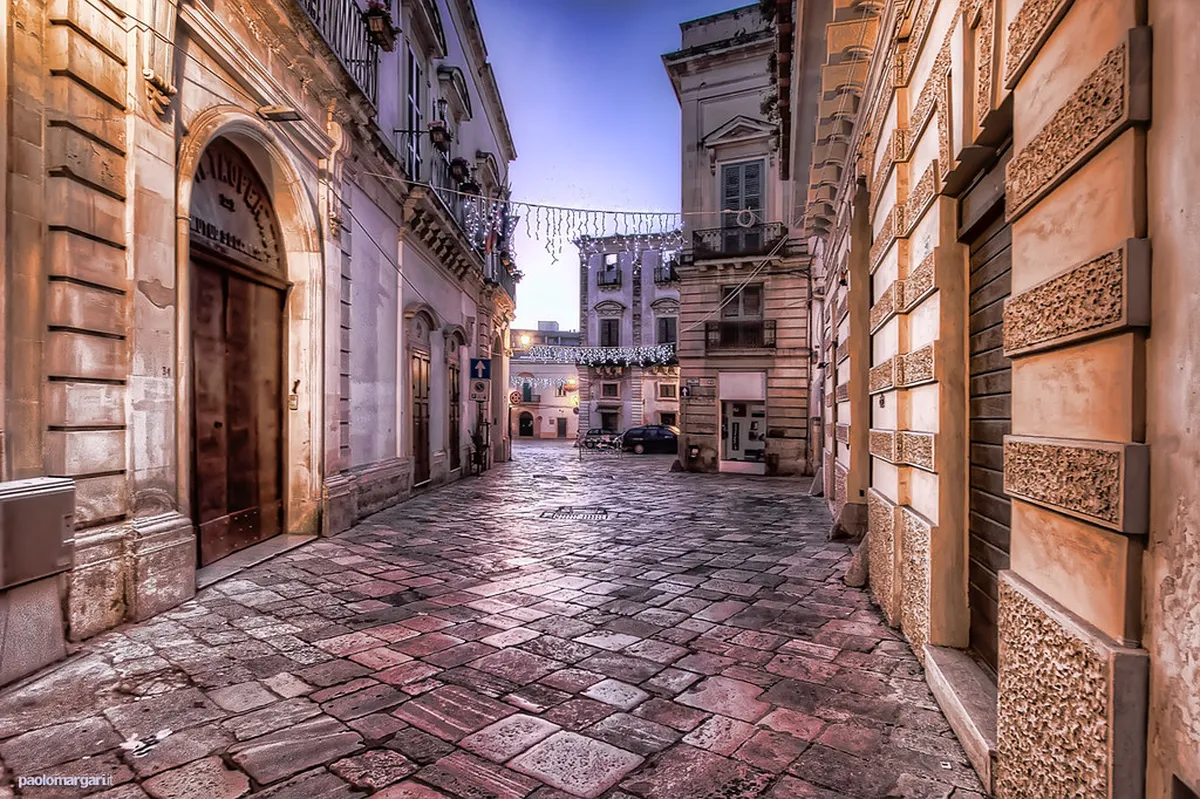
My late-May trip hit a Scirocco wind, but the autumn air is usually much clearer and drier. Exploring the vineyards of the Salento becomes a highlight as the leaves begin to change their colors. Food festivals, known as sagre, pop up in nearly every small village surrounding the main city.
September is the sweet spot: the sea remains warm enough for swimming until mid-October, yet temperatures drop to 24°C / 75°F—ideal for walking the limestone streets without the August heat.
I recommend a Gems of the Salento coast day trip for seeing the best hidden spots. November sees a significant drop in visitors, making it perfect for those seeking a quiet retreat. Most days remain sunny even as the temperatures begin to dip toward the end of the month.
Winter (December–February): The Best Time for Budget Travelers
Winter is the quietest time to explore the historic architecture of the Florence of the South. Expect temperatures between 8–14°C / 46–57°F during the day in the month of January. Accommodation prices drop significantly compared to the busy and crowded summer holiday months.
See our Lecce weather by season page for specific and detailed rainfall data. The city takes on a cozy atmosphere with Christmas lights illuminating the golden Baroque stone facades. You can enjoy the museums and churches in near solitude during the middle of the week.
Coastal winds can be biting, so most visitors focus their time on indoor cultural activities and dining. Traditional winter dishes like ciceri e tria provide warmth and comfort during the cooler evening hours. This season offers the most honest look at local life without the influence of mass tourism.
Which Season Suits You? A Quick Decision Guide
Lecce genuinely rewards different travelers at different times of year, so the honest answer to "when should I go?" depends entirely on what you want from the trip. Here is how to cut through the noise and pick your window.
Pick May or early June if you want comfortable sightseeing temperatures (18–24°C), most restaurants fully open, the Basilica di Santa Croce without a tour-group scrum, and beach day-trips to the Salento coast that feel calm rather than chaotic. This is the best all-round choice for first-time visitors.
Pick September if the beach matters as much as the city. Sea temperatures peak in late August and hold through mid-October, which means September gives you the warmest swims and the coolest city walks simultaneously. Food sagre and new-vintage wine events fill the calendar from mid-September onwards.
Pick July (not August) if you want the summer nightlife atmosphere without Ferragosto chaos. Early July is hot and lively, but accommodation is still bookable with a few days' notice and restaurant queues are shorter than in August.
Pick December if you want the Christmas market charm and dramatically lower hotel prices (sometimes half the June rate for the same property). Weather averages 13°C — cool but rarely miserable — and Lecce's Baroque stone looks spectacular draped in seasonal lights.
Avoid August 10–20 unless you have accommodation and restaurant bookings confirmed months in advance. Ferragosto is the one period where the city genuinely strains under visitor numbers, and smaller local businesses close rather than stay open.
- Pick the spring season if
- Mild weather and fewer crowds
- Pick the summer months if
- You love nightlife and beach energy
- Pick the autumn period if
- Wine tasting, food festivals, and warm sea
- Pick the winter season if
- Empty streets, low prices, and Christmas atmosphere
Timing Your Visit for Salento’s Best Beaches
Most visitors use Lecce as a strategic base for exploring the Salento coast, which runs along two distinct seas. The Adriatic side (east) — beaches like Torre dell’Orso, San Cataldo, and Baia dei Turchi — tends to be windier, with choppier surf better suited to those who like some movement in the water. The Ionian side (west) — Porto Cesareo, Punta Prosciutto, and the beaches near Gallipoli — is calmer, shallower, and more turquoise, making it the better choice for families with children.
The June vs. August divide is significant and worth understanding before you book. In June, Salento’s beaches are genuinely uncrowded: umbrellas are easy to rent, the water is already warm enough for comfortable swimming at around 22–23°C, and private lidos are fully open and staffed. By August, particularly in the two weeks around Ferragosto, the same beaches transform entirely — the most popular stretches near Torre dell’Orso and San Cataldo are packed shoulder-to-shoulder, and free public beach sections can be very hard to find. September repeats June’s pleasant conditions with the sea even warmer (peaking at 26°C) and crowds back to manageable levels.
Water temperatures remain warm enough for swimming until mid-October on the Ionian coast, which extends the beach season well into autumn for those who don’t need a beach chair and umbrella service. The Gems of the Salento coast day trip covers both coasts in a single day and is one of the most efficient ways to experience the peninsula’s geographic variety.
What to Pack
Packing for Lecce requires a thoughtful mix of Italian style and practical daily comfort. The limestone streets can be quite slippery, so choose shoes with a very good rubber grip. Evening temperatures can drop quickly even after a very hot and sunny day in the city.

Always bring a reusable water bottle to use at the many local and historic stone fountains. Breathable fabrics like linen and cotton are essential for staying cool during the humid summer months. A light jacket is necessary for spring and autumn evenings when the sea breeze picks up.
Sun protection is vital regardless of the season because the southern sun is very strong here. Include a hat and high-quality sunglasses to protect yourself while walking through the bright white stone squares. Most locals dress smartly, so consider packing a few nicer outfits for your evening dinner reservations.
- Pack for the spring season
- Light layers and walking shoes
- Pack for the summer heat
- Linen clothes and high SPF
- Pack for the autumn breeze
- Light jackets and comfortable boots
- Pack for the winter chill
- Warm coats and waterproof shoes
What's Closed in Low Season
Travelers should be aware that coastal services change significantly after the month of September. Many private beach lidos along the Ionian coast dismantle their umbrellas by the first of October. Seasonal bus routes connecting Lecce to the seaside often stop running during the quiet winter months.
The Salento in Bus summer shuttle service usually ends its operations in the final week of September. Some specialized seafood restaurants in smaller villages might close for several months during the off-season period. You will find that the city of Lecce itself remains very much open and active year-round.
Ferries to nearby islands or coastal caves may have limited schedules or stop entirely during the winter. Always verify the opening hours for smaller museums and private galleries before you arrive in the low season. Planning for these closures ensures you are not disappointed during your winter or late autumn trip.
How Many Days to Spend in the "Florence of the South"
Two days allow you to see the main Baroque churches and the ancient Roman ruins. Three or four days are better if you plan several coastal day trips from the city. Slowing down lets you enjoy the evening passeggiata like a true and authentic local resident.
Spending a full week allows for deep exploration of the entire and beautiful Salento region. You can use the extra time to visit nearby towns like Otranto, Gallipoli, and Santa Maria di Leuca. This slower pace matches the relaxed lifestyle that defines the southern Italian experience for many visitors.
Most people find that three nights in the city provide the perfect introduction to the local culture. This duration allows for several long dinners and enough time to find your favorite local pastry shop. Longer stays are highly recommended if you want to immerse yourself in the local language and customs.
Key Events: From Sant'Oronzo to Christmas Markets
The Feast of Sant'Oronzo in late August is the city's biggest and most vibrant celebration. Expect massive crowds and spectacular light displays during this important and historic three-day event. December brings charming Christmas markets and traditional nativity scenes to the main city squares.
Easter processions in the spring offer a somber yet beautiful and unique cultural experience. The streets are filled with the scent of incense and the sound of traditional music during these parades. Many local festivals focus on seasonal food items like artichokes in the spring or wine in autumn.
Checking the local calendar before you book can help you catch these unique cultural moments. Each event provides a different perspective on the deep religious and social roots of the Salento people. These celebrations are often the highlight of a trip for those interested in authentic Italian traditions.
Lecce Weather by Month: Temperature and Rainfall
Understanding month-by-month patterns helps you make confident packing decisions and set realistic expectations for each part of your trip. Lecce sits in the deep south of Italy at a latitude similar to Athens, which means it enjoys one of the sunniest and driest climates on the peninsula. Rain is concentrated in November and December; the summer months (June through August) typically see almost zero precipitation.
| Month | Avg High (°C/°F) | Avg Low (°C/°F) | Rain Days | Notes |
|---|---|---|---|---|
| January | 13 / 55 | 5 / 41 | 7 | Quiet city; cool but walkable |
| February | 14 / 57 | 5 / 41 | 6 | Occasional Tramontana wind; clear days |
| March | 16 / 61 | 7 / 45 | 7 | Early spring flowers; still cool evenings |
| April | 19 / 66 | 10 / 50 | 6 | Easter events; comfortable sightseeing |
| May | 24 / 75 | 14 / 57 | 4 | Best overall month; Scirocco occasional |
| June | 28 / 82 | 18 / 64 | 2 | Peak beach season begins; still spacious |
| July | 32 / 90 | 21 / 70 | 1 | Hottest month; afternoon shade essential |
| August | 33 / 91 | 22 / 72 | 1 | Ferragosto crowds; highest prices |
| September | 28 / 82 | 18 / 64 | 3 | Sweet spot: warm sea, cooler city |
| October | 23 / 73 | 14 / 57 | 6 | Harvest season; Ionian sea still swimmable |
| November | 17 / 63 | 9 / 48 | 9 | Rainiest month; locals call it "month of the dead" |
| December | 13 / 55 | 6 / 43 | 8 | Christmas markets; festive atmosphere |
The Tramontana — a dry north wind that blows down from the mountains — occasionally arrives in February and March, bringing crystal-clear visibility and very cool temperatures. It is worth checking local forecasts during these months if you plan extensive outdoor photography. The Scirocco, a warm dusty wind from North Africa, can push temperatures 4–5°C above average in May and October but rarely lasts more than two days.
The Golden Hour Baroque Strategy: When Light Transforms Lecce
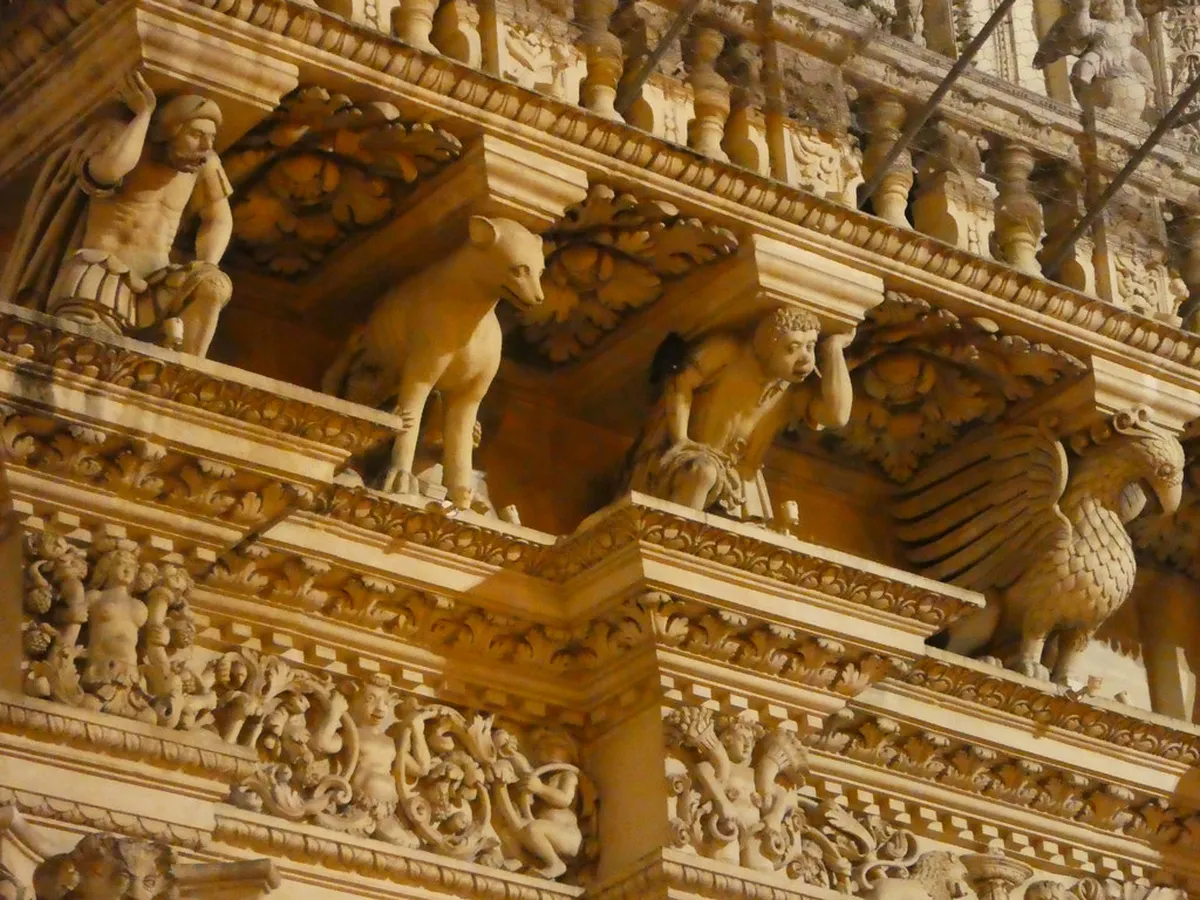
No other factor influences the visual experience of Lecce's architecture as dramatically as the quality of light. The city is built almost entirely from pietra leccese, a warm honey-coloured limestone quarried locally, and this stone behaves like a natural photographic filter — absorbing blue midday light and reflecting amber tones at sunrise and sunset. The difference between seeing Piazza del Duomo at 13:00 in August and seeing it at 19:30 in September is the difference between a washed-out limestone slab and a glowing, almost theatrical composition.
Practically, this means planning your key sightseeing around two windows each day. The first is 07:00–09:00, when the facades of the Basilica di Santa Croce and Porta Rudiae catch low-angle morning light before tourist groups arrive. The second, and more impressive, is 19:00–20:30 in summer (18:00–19:30 in spring and autumn), when the entire Piazza del Duomo turns a deep amber gold. This is the window that Italia.it describes when they call Lecce's sunset views essential — the cathedral and the episcopal palace face west, so they receive the last and richest light of the day directly on their ornate facades.
For photography, May and September offer the best conditions: the sun sets at a low enough angle to rake across carved stone details rather than flooding them flat, and the streets are cool enough to linger. If you can arrange your dinner reservation for 21:00 or later (standard for Lecce anyway), you have a full golden-hour window before you sit down to eat — which also happens to be exactly the right time to order your first aperitivo in the square.
Is Lecce Worth Visiting in the Low Season?
The short answer is yes — for the right kind of traveler, the low season (November through March, excluding Christmas week) can be an excellent time to visit Lecce. The historic centre remains fully intact and open; the architecture does not care what month it is, and the city's cafe and restaurant culture stays active year-round because locals use it daily.
What changes significantly is access to the coast and seasonal services. Most private beach lidos close by October 1st, the coastal shuttle buses stop running, and some seafood restaurants in smaller seaside villages shutter until spring. Within Lecce itself, however, the main museums, all three city gates, the Basilica di Santa Croce, and Piazza del Duomo are accessible in any month. Smaller private galleries and a handful of boutique hotels do operate reduced hours or close entirely in January and February — always confirm by phone before arriving.
The strongest case for a winter visit is December. The city installs Christmas illuminations across the Baroque facades, nativity scenes (presepî) appear in church niches, and the reduced crowd levels mean you can stand in the middle of Piazza Sant'Oronzo and take a photograph without anyone walking into the frame. Hotel prices in December (outside Christmas week itself) can be 40–50% lower than June rates for the same property. November is the most challenging month — higher rainfall, a noticeably quieter city, and a subdued atmosphere — but even then, the museums and churches provide a genuinely peaceful experience that is impossible to replicate in peak season.
Frequently Asked Questions
What is the hottest month in Lecce?
The hottest month is August, which features average daily highs of 31°C / 88°F. Many summer days frequently exceed 35°C / 95°F during the intense and humid heatwaves. You should stay hydrated and seek shade in the afternoon to avoid the strongest southern sun.
Is Lecce worth visiting in November?
Lecce is certainly worth visiting in November for foodies and local wine lovers. The weather is cool, around 17°C / 63°F, and the summer crowds are completely gone. You can enjoy the museums and historic churches without facing any long waits or busy queues.
When is the best time for beaches near Lecce?
The best time for beaches near Lecce is from June to the middle of September. Water temperatures are warmest in August, but the month of June offers much more space. Many private lidos along the coast close their doors by the first week of October every year.
How many days do you need to see Lecce?
You need at least two full days to see the main historic Baroque sites. Three or four days allow for relaxing beach trips or exploring the local vineyard tours. A full week is perfect for exploring the entire Salento area at a much slower pace.
Does Lecce get crowded in August?
Lecce gets very crowded in August due to the peak Italian summer holiday season. The nearby beaches are often packed, and making restaurant reservations is absolutely essential. Expect higher prices and a very lively nightlife scene that lasts until the early morning hours.
Choosing the best time to visit Lecce depends on your personal weather and crowd preferences. Mid-May to June and the month of September remain the most balanced choices for most travelers. You will find the Baroque beauty of the city impressive regardless of the specific month.
Plan your trip ahead to secure the best accommodation in the historic center of the city. Lecce offers a unique blend of history, culture, and coastal access throughout the entire year. We hope this guide helps you plan an unforgettable journey to the heart of Puglia.
Explore More: When to Visit Lecce
Keep planning with these related guides.
You might also like


Continue reading
More guides you'll find useful