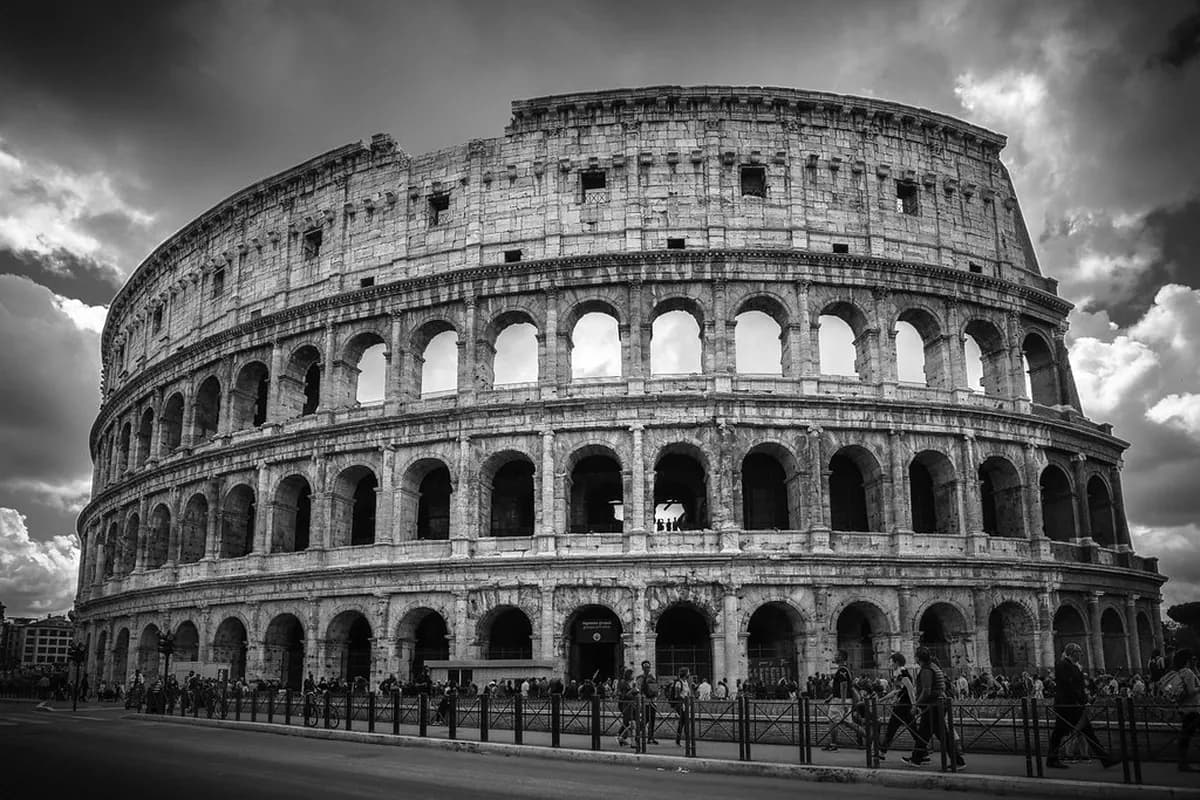
How to Visit the Colosseum: 7 Essential Planning Steps
Master your trip with our guide on how to visit the Colosseum. Includes 7 essential steps for booking tickets, choosing tours, and avoiding the crowds.
On this page
How to Visit the Colosseum: 7 Essential Planning Steps
The Colosseum draws up to 25,000 visitors a day, and in 2026 the ticketing system is more competitive than ever. Timed-entry slots on the official site sell out within hours of release. A clear strategy — right ticket tier, right gate, right time of day — separates a smooth visit from a frustrating one.
Many travelers struggle to know which of the 12 Best Things to Do in Rome are worth advance planning and which are walk-up. The Colosseum is firmly in the advance-planning category. This guide covers every step from booking to exit, including what to do when tickets appear sold out.
Quick answer: Book a timed-entry ticket on the official CoopCulture site exactly 30 days before your visit. Standard tickets cost €18 and include the Roman Forum and Palatine Hill. Arena Floor access costs €24; the Underground experience costs €9 on top of standard entry.
Booking Tickets: Official Site, Ticket Tiers, and Tour Options
The official booking platform is CoopCulture (coopculture.it), which releases tickets on a rolling 30-day window. The site can be slow under high demand — have your payment details ready and refresh frequently if your preferred slot disappears. Tickets reappear when abandoned carts expire, typically after about 10 minutes.
There are three main access levels in 2026. Standard entry (€18 / ~$20) covers the ground floor, first and second tiers, and the museum galleries inside the outer ring. It also includes same-day entry to the Roman Forum and Palatine Hill — those two sites alone are worth the full ticket price. The Full Experience ticket (€24 / ~$26) adds the reconstructed Arena Floor, where you stand on the wooden platform above the underground chambers. Underground access (€9 supplement on top of standard entry, bookable separately) takes small groups into the hypogeum — the network of tunnels beneath the arena floor where animals and fighters waited before being hoisted into the arena.
If the official site shows no availability, third-party tour operators — including Devour Tours, GetYourGuide, and Viator — hold separate allotments. Tours cost €40–€120 per person depending on group size, but they come with guides who hold reserved access to the Arena Floor. A small group tour (maximum six people) is worth the premium if you want genuine explanations rather than audio-guide snippets.
The 2:00 PM same-day release batch on the official CoopCulture site drops new availability slots almost every afternoon for visits the following day. Set a phone reminder for 13:50 and refresh the site at 14:00 — these slots fill within minutes but offer a genuine escape route when 30-day slots sell out.
| Ticket Type | Price (2026) | What's Included | Best For |
|---|---|---|---|
| Standard Entry | €18 (~$20) | Tiers 1–2, museum galleries, Forum + Palatine Hill | First-timers on a budget |
| Full Experience (Arena Floor) | €24 (~$26) | Above + reconstructed Arena Floor | Most visitors — worth the €6 extra |
| Underground Add-on | €9 supplement | Hypogeum tunnels, limited group size | History buffs and archaeology fans |
| Guided Tour (group) | €40–€70 | Arena Floor + expert guide, typically 2–3 hours | Those who want context, not just access |
| Private Tour | €100–€150+ | All of the above, flexible timing | Families or travelers short on time |
What to Do When Tickets Are Sold Out
The most underused tactic is the 2:00 PM same-day release. The official site drops a batch of last-minute slots each afternoon for visits the following day. Set a phone reminder for 13:50 and be on the CoopCulture site before 14:00 — these slots go in minutes but are rarely advertised. This works best for dates outside peak summer weekends.
The Palatine Hill ticket office on Via Sacra sells the same combo ticket as the Colosseum entrance but typically has a 30–45 minute shorter queue. Once you hold a valid ticket, you can walk directly to the Colosseum entrance on the same day and scan in — no re-entry needed. This is a hidden shortcut on busy mornings.
If both options fail, same-day tour inventory on GetYourGuide often has slots even when the official site is blank. The markup is real, but so is the access. Avoid touts selling tickets outside the gates — they are selling counterfeit or expired tickets with no legal recourse.
Best Time to Visit the Colosseum
Arrive at opening — 09:00 from November through February, 09:00 year-round with the last entry two hours before sunset. The first 90 minutes of the day are consistently the least crowded. By 11:00, tour buses have deposited their groups and the interior corridors become very congested.
Seasonally, October and early November offer the best combination of manageable crowds, mild weather (18–22°C), and good light. July and August are brutal: temperatures regularly exceed 35°C, the unshaded security queue can take 30 minutes in full sun, and the Forum stones reflect heat intensely. If you visit in summer, the first opening slot is non-negotiable.
The first Sunday of every month offers free entry for all visitors. There is no online booking for these free tickets — you must queue at the gate. Lines form before 08:00 and the site can reach capacity by 10:00. Unless you are committed to arriving very early, a paid weekday visit gives you a better experience and more time inside.
Entry Logistics, Security, and the Gate Question
There are two main entry points and choosing the wrong one wastes time. Pre-booked ticket holders for standard and Arena Floor access should use the Sperone Valadier entrance on the south side (facing the Arch of Constantine). Tour groups and Underground ticket holders typically enter via the Stern entrance on the north side. Check your ticket confirmation for the specific gate — the signs outside are not always obvious.

All visitors pass through airport-style security. Bags larger than 30 × 30 × 15 cm are prohibited — this is enforced strictly. Leave large backpacks and roller bags at your hotel or use the staffed storage facility at Colosseo Metro station. Glass bottles, selfie sticks, and tripods are also banned. Expect the security check to take 10–20 minutes at peak times.
Bring a valid photo ID. The ticket QR code alone is not always accepted without identity verification — staff can ask to match the name on the booking to a passport or national ID card. Non-EU travelers should carry their passport rather than a driving licence. Keep your ticket accessible on your phone with screen brightness high, as dark or cracked screens slow the scanners.
What to See Inside the Colosseum
The Arena Floor is the single most impressive area for most visitors. Standing on the reconstructed wooden platform, you look directly down into the hypogeum chambers below and up into the soaring tiers above. The scale only becomes clear from this vantage point — the arena itself measured 83 × 48 metres. Access requires the Full Experience ticket (€24) and is the upgrade most worth making.
The Colosseum Underground takes a maximum of 25 people at a time into the hypogeum. You walk through the tunnels where animals, gladiators, and stage machinery were held before events. The engineering is extraordinary — a system of 28 elevators operated by counterweights could bring animals directly onto the arena floor in seconds. For casual visitors, the Arena Floor ticket already gives you a view down into the hypogeum from above. The Underground add-on is genuinely transformative for anyone seriously interested in Roman engineering or history.
The second and third tiers are accessible on all ticket types and provide the best panoramic views of the interior structure. The museum displays on the outer ring cover the amphitheater's construction history, gladiatorial culture, and restoration timeline. Most visitors spend 45–60 minutes on the upper levels. The exterior arc of the third level also offers the best angle for photographing the full curve of the seating bowl.
History and Culture: The Flavian Amphitheatre
Emperor Vespasian commissioned the structure around 70 AD on the site of Nero's former private lake — a deliberate political statement returning land to the Roman public. Construction took roughly eight years and involved tens of thousands of workers and prisoners from Judea. His son Titus opened it in 80 AD with 100 days of games. It remains the largest amphitheater ever built, measuring 188 × 156 metres and originally standing 48 metres high.
At its peak the arena held 50,000 to 80,000 spectators, seated by social rank. Entry was free, funded by the emperors as a political tool — gladiatorial games doubled as crowd-control spectacle. The 80 numbered arched entrances (vomitoria) allowed the building to fill and empty within 15 minutes. That speed of crowd flow was not matched by modern stadiums until the 20th century.
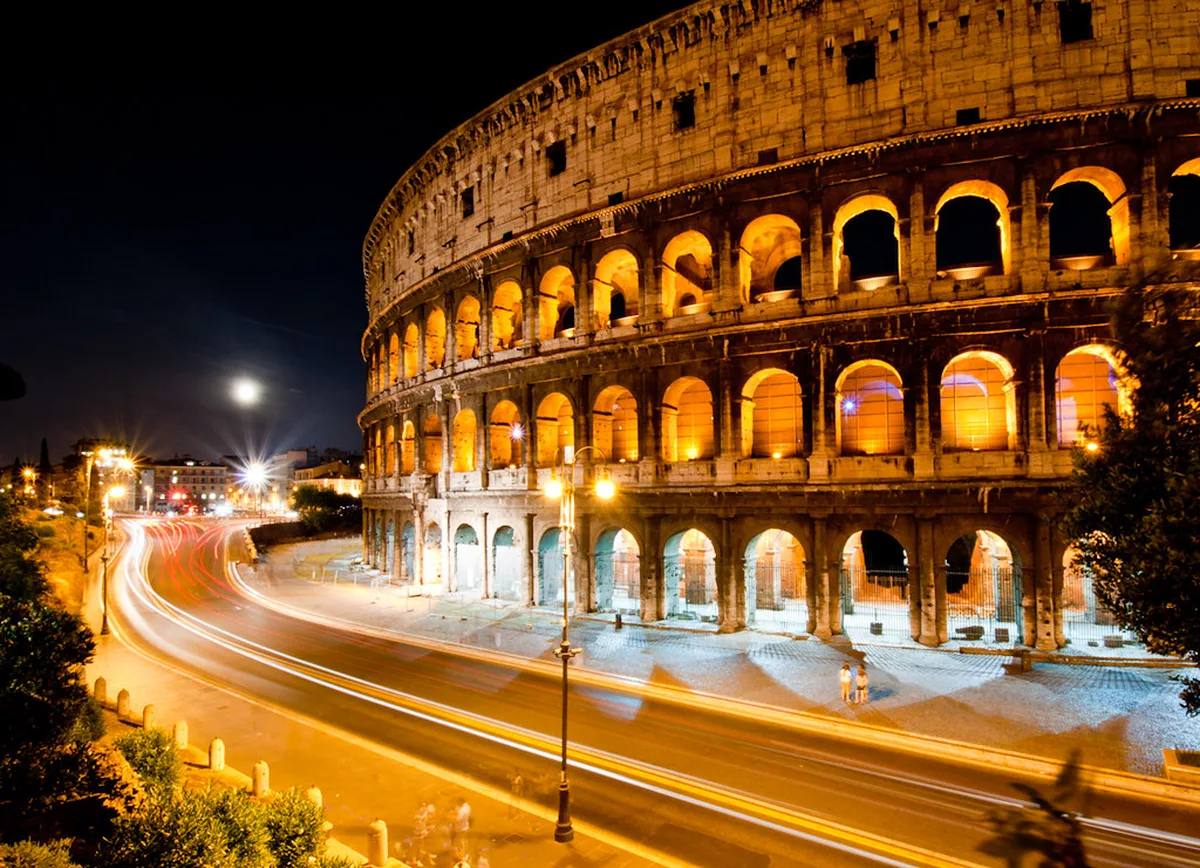
Today the site is a UNESCO World Heritage Site — inscribed as part of the Historic Centre of Rome in 1980. Ongoing conservation work is funded partly by private sponsorship (Tod's contributed €25 million to exterior restoration completed in 2016). The amber-coloured travertine you see is original stone; the brick sections are ancient repairs. Visiting at dusk, when the exterior is illuminated, is a completely different experience from the daytime visit and requires no ticket.
The Roman Forum and Palatine Hill: Making the Most of Your Combo Ticket
Your Colosseum ticket includes same-day entry to both the Roman Forum and Palatine Hill. Most standard tickets allow a single re-entry window; some ticket types specify a fixed time slot for the Forum — read your confirmation carefully. The walk from the Colosseum exit to the Forum main entrance is about five minutes along Via Sacra, past the Arch of Constantine.
The Forum itself is vast — plan two hours minimum if you want to walk the Via Sacra, visit the Temple of Vesta, the Arch of Septimius Severus, and the Curia Julia (the ancient Senate house). Signage is limited, so an offline map or audio guide makes the difference between understanding the site and just seeing rubble. The forum floor is original ancient paving — very uneven, and genuinely difficult in unsuitable footwear.
Palatine Hill sits above the Forum and offers the best elevated views over the ruins. It is where Rome's mythological founders built their first huts and where emperors later built their palaces. Allow 45–60 minutes to walk the hill. The Stadium of Domitian — a sunken garden that was once a private imperial racetrack — is consistently overlooked by visitors who leave before reaching the far end of the hill. It is worth the extra 10-minute walk.
A practical note: visit the Colosseum first, then the Forum, then Palatine Hill in that sequence. The Colosseum's energy drops off if you visit it last after three hours on the Forum. And check the Forum closing time — it closes earlier than the Colosseum in winter months.
What it's like visiting the Colosseum
The moment you enter the arena, the scale resets every mental image you had from photos. The tiers rise steeply and the oval shape compresses the sightlines in a way that makes the space feel both enormous and intimate. Most visitors stop still at the first glimpse of the floor level and the exposed underground chambers — that pause is real every time, regardless of how many times you have seen pictures.
The corridors in the outer ring are cool even in summer, which is a relief after the security queue. The museum exhibits take 20–30 minutes and are better than most visitors expect. The upper levels involve significant stair climbing — there is no lift access to the upper tiers, so visitors with limited mobility should be aware the experience is heavily ground-floor and first-tier focused on the standard route.
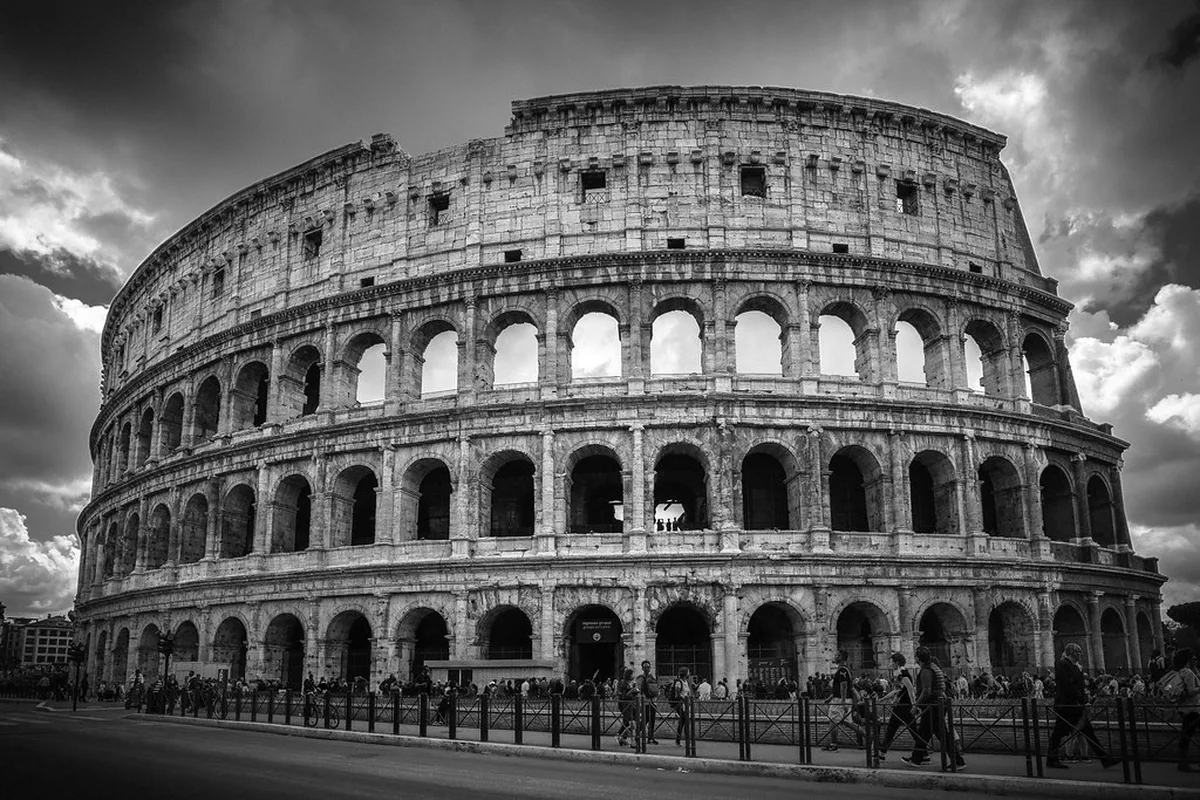
The crowds are real. Tour groups move in clusters and tend to congregate at the same photo angles. If you want clean shots of the arena bowl, be there at 09:00 or use the upper levels, which thin out by late morning. The Forum is quieter and more atmospheric in the afternoon when the main tour groups have moved on. Most people find the whole complex — Colosseum, Forum, and Palatine Hill — takes a full half-day of 4–5 hours if done properly.
How to Plan a Smooth Visit Day
Take Metro Line B to the Colosseo stop — the exit puts you directly across the street from the Sperone Valadier entrance. Taxis and ride-shares drop off on Via dei Fori Imperiali. Avoid driving: parking near the Colosseum is extremely limited and the ZTL restricted traffic zone operates all day. Build the Colosseum into a Rome 3-day itinerary on Day 1 to recover the following morning.
Wear closed, flat shoes with grip. The Forum paving stones are ancient, large, and frequently uneven — this is not hyperbole. Sandals and trainers with flat soles work well. Flip-flops and heels make the Forum genuinely uncomfortable and increase the risk of ankle injury on the uneven ground. Bring a 500ml refillable bottle: there are nasoni drinking fountains throughout the Forum and Palatine Hill.
Pack light deliberately. The bag size limit (30 × 30 × 15 cm) is actively enforced at security, and oversized bags are turned away — not stored. Wear a sun hat and sunscreen from May through September. The Forum has almost no shade, and even a 60-minute walk in July at midday can cause heat exhaustion. A small crossbody bag with essentials is the ideal carry for this site.
- Essential checklist for your visit:
- Bring your original passport or national ID — required for identity verification at the gate.
- Pack a refillable water bottle (max 500ml, no glass) for the fountains in the Forum.
- Wear flat, closed shoes with grip for the Forum paving stones.
- Download an offline map of the Roman Forum — signage inside is minimal.
- Keep your ticket QR code accessible with screen brightness turned up.
- Carry a hat and sunscreen; the Forum has almost no shade.
- Troubleshooting common problems:
- Site sold out: try the 2:00 PM same-day release batch, or book via GetYourGuide.
- Wrong gate: Sperone Valadier (south) for pre-booked tickets; Stern (north) for tours.
- Bag too large: use storage at Colosseo Metro station, not at the gate.
- QR code fails to scan: find a staff member immediately — do not re-queue.
- Forum closes early: check seasonal closing times, which differ from the Colosseum.
For the broader trip, see the Vatican guide for the same advance-booking discipline applied to St. Peter's and the Vatican Museums — both require similar lead times and the same gate-choice awareness.
Frequently Asked Questions
How much time should you plan for a Colosseum visit?
You should plan for at least 3 hours to see everything. This includes 1 hour for the Colosseum and 2 hours for the Forum. Allow extra time for security lines during peak season.
Is the Colosseum Underground tour worth the extra cost?
The Underground tour is worth it for history buffs who want exclusive access. It provides a unique look at the ancient elevators and tunnels. Families might find the standard arena ticket sufficient.
Can you visit the Roman Forum and Colosseum on different days?
Most standard tickets are valid for 24 hours from the first use. This allows you to visit the Colosseum one day and the Forum the next. Always check your specific ticket terms.
Visiting the Colosseum is a highlight of any trip to the Eternal City. With the right planning, you can avoid the stress of long lines and sold-out tickets. Remember to book early and bring plenty of water for the journey.
The history of the Flavian Amphitheatre will stay with you long after you leave. Take your time to explore the Forum and Palatine Hill as well. Enjoy your adventure through the heart of ancient Roman civilization.
You might also like

Continue reading
More guides you'll find useful