Rome 3 Day Itinerary: The Perfect Guide to the Eternal City
Plan the perfect Rome 3 day itinerary with local tips on booking tickets, avoiding crowds at the Colosseum, and finding the best pasta in Trastevere.
On this page
Rome 3 Day Itinerary
Three days in Rome is the sweet spot for first-time visitors. You have enough time to cover the Colosseum, the Vatican, and the winding lanes of Trastevere without racing from site to site without stopping to breathe. This itinerary is built around neighborhood logic — each day keeps you in one zone of the city so you spend your time looking at monuments, not riding the metro. Deciding How Many Days in Rome? 10 Essential Planning Tips & Itineraries you actually need is one of the hardest questions in European travel planning, and this guide makes the case for three.
Rome rewards those who plan tickets early and understand a few basic logistics before they arrive. The city has changed its entry systems in recent years, and several major sites — the Colosseum, the Vatican Museums, the Borghese Gallery — now sell out days or weeks in advance. Read this guide before you book flights so you can set up your ticket reservations at the right time.
Is 3 Days in Rome Enough?
Three days lets you see the headline attractions without the sense of panic that comes from a 48-hour sprint. You will cover the ancient city around the Colosseum, the spiritual and artistic weight of the Vatican, and the lived-in charm of the historic center and Trastevere. That is not everything Rome offers — the city has more than 900 churches and a museum collections that would take months to absorb — but it is enough to understand why people keep returning.
The critical factor is not time: it is planning. Visitors who buy Colosseum and Vatican tickets at the gate lose two to three hours standing in line. Those who book in advance walk straight to the entrance and spend those hours actually inside the sites. Three days with pre-booked tickets feels like five. Three days without them feels like one.
If you can extend to four or five days, use that time for the Capitoline Museums, the Appian Way, or Ostia Antica. But for a first visit in 2026, three full days is the right baseline. According to Rome's Wikipedia entry on tourism, the city welcomes over 10 million overnight visitors annually — most of them staying between two and four nights.
How to Get Around Rome
Walking is the primary mode of transport for this itinerary. The historic center is largely pedestrianized and the distances between the Pantheon, Piazza Navona, and Trevi Fountain are ten minutes on foot at most. Day 1 and Day 3 of this plan require almost no public transport at all. Wear flat, closed-toe shoes — the cobblestones (called sampietrini) are beautiful but unforgiving on thin soles.
For Day 2, you need to cross the Tiber to reach the Vatican. The 64 or 40 bus runs directly from Termini station to St. Peter's Square and takes about 25 minutes. Metro Line A stops at Ottaviano-San Pietro, a 10-minute walk from the Vatican Museums entrance. A single metro or bus ticket costs €1.50 and covers 90 minutes of travel — tap your credit or debit card directly on the reader on newer buses. A 48-hour travel pass costs €6 and covers unlimited metro and bus trips.
Getting from the airport: the Leonardo Express train runs from Fiumicino Airport (FCO) to Roma Termini in 32 minutes and costs €14. The SIT Bus Shuttle takes 60 minutes and costs €7. A fixed-rate taxi from FCO to the city center is capped at €50. If you are arriving late and hauling luggage, the taxi is worth it. If you are traveling light during daytime hours, the Leonardo Express is faster than any ground alternative.
Electric scooters (Tier, Dott, Lime) are available throughout the center. They are useful for flat stretches near the Borghese Gardens but impractical on the narrow streets around the Pantheon. Avoid them after dark on the uneven surfaces of Trastevere.
Where to Stay in Rome for 3 Days
The neighborhood you choose determines how much time you spend commuting versus sightseeing. For a three-day visit, three areas make the most sense: Monti, Prati, and Trastevere. Each has a different personality and suits a different type of traveler.
Monti is the best all-around choice for first-time visitors. It sits directly behind the Colosseum, has a metro stop (Cavour on Line B), and its streets are full of independent wine bars and trattorias that feel nothing like tourist traps. It is upper-middle-class Roman, walkable, and genuinely pleasant to wander in the evenings. Midrange hotels run €150–250 per night in 2026. Consult our 10 Best Neighborhoods for Where to Stay in Rome guide for specific hotel recommendations across all budgets.
Prati, across the Tiber from the historic center, is the right choice if Vatican access is your top priority. It is quieter than the center, slightly less expensive, and home to wide tree-lined avenues that feel different from the narrow lanes elsewhere. The Vatican Museums are a 10-minute walk. Midrange hotels cost €120–200 per night.
Trastevere suits travelers who want to be in the middle of the evening scene. The neighborhood fills with locals and visitors after 20:00 and the food options — from simple pizza al taglio to full sit-down trattorias — are excellent. It is further from the ancient ruins, so Day 1 requires a bus or metro. Budget hotels start at €90 per night; boutique options run €180–280.
Avoid hotels marketed primarily around "steps from the Colosseum" if you are also planning Vatican and Borghese days — the commute across the city eats into your time. Centro Storico (the area between the Pantheon and Piazza Navona) is iconic but expensive and very noisy at night.
Book Colosseum and Vatican tickets 30–60 days in advance on official websites (CoopCulture and Vatican Museums portal). Booking fees of €2–3 are far cheaper than the 200–300% markups on reseller sites. Same-day gate queues can consume 2–3 hours of your limited time.
Rome Planning Cheatsheet: Tickets, Costs, and Logistics
Book these before you leave home. The Colosseum releases timed-entry tickets on the official CoopCulture website on a rolling 30-day window. At 09:00 Italian time, new dates open. If you are visiting on a Saturday in summer, that slot fills within minutes of opening. The Vatican Museums release slots on a 60-day window via their official booking page. Both sites charge a booking fee of €2–3 on top of the base ticket price — this is significantly less than the 200–300% markup charged by reseller sites.
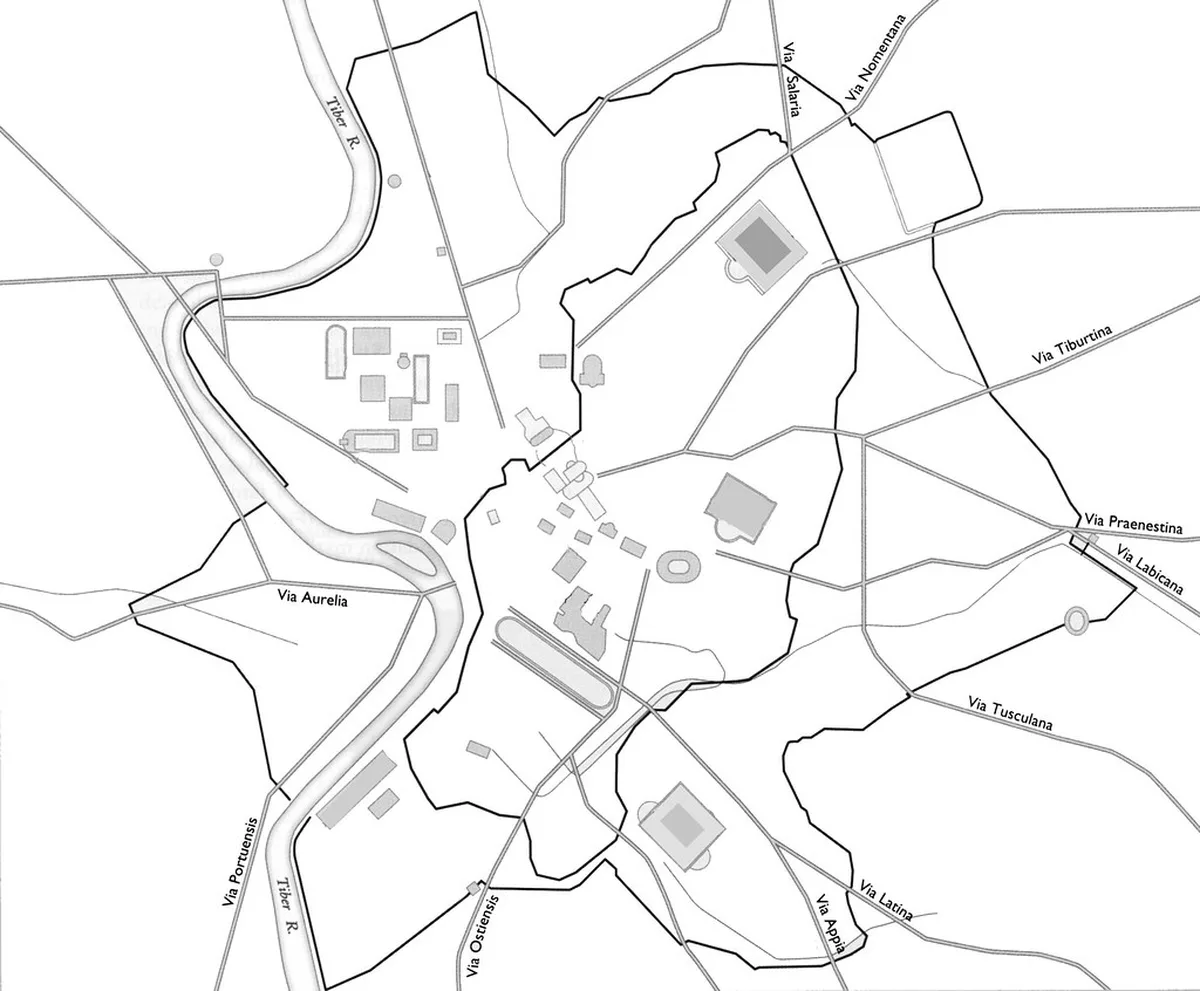
The Borghese Gallery is the most restrictive of the three. It operates on a strict two-hour timed entry system with a maximum of 360 visitors per slot. Tickets are released in batches 30 days in advance at 09:00 and they disappear fast. There is no walk-up option on busy days. Book this one first before anything else.
Approximate costs per person for Day 1–3: Colosseum + Forum + Palatine Hill combined ticket is €18 (plus booking fee). Vatican Museums + Sistine Chapel is €17. St. Peter's Basilica entry is free; dome climb is €8 (stairs) or €10 (lift). Borghese Gallery is €15. Pantheon entry is €5 (free on Sunday mornings before 09:00). Budget roughly €55–65 in entrance fees for the full three days.
Dress code matters. Both St. Peter's Basilica and many Roman churches require covered shoulders and knees. A light scarf in your bag solves this in seconds. The Vatican Museums security queue is separate from St. Peter's — finish the museums first, exit through the Sistine Chapel into the Basilica if your tour includes it, or walk around to the main entrance afterward.
| Day | Morning | Afternoon & Evening |
|---|---|---|
| Day 1 | Trevi Fountain (08:00), Pantheon (09:00), Piazza Navona, Campo de' Fiori | Lunch in Monti, Colosseum + Roman Forum + Palatine Hill (15:00–16:00 slot), Dinner in Monti |
| Day 2 | Vatican Museums (08:30–09:00), Gallery of Maps, Raphael Rooms, Sistine Chapel | St. Peter's Basilica, Dome climb (optional), Castel Sant'Angelo, Trastevere evening dinner |
| Day 3 | Borghese Gallery (09:00 or 11:00 timed slot), Villa Borghese gardens | Spanish Steps & Trinità dei Monti church, Pantheon revisit, Piazza Navona, Final dinner near Pantheon |
Day 1: Ancient Rome and the Historic Center
Start at the Trevi Fountain at 08:00. This sounds early, but it is the only time you can stand at the edge without competing with hundreds of other visitors for space. The fountain was fully restored in 2016 and is lit beautifully in the early morning light. Toss a coin, take your photos, and leave by 08:45 before the crowds descend.
Walk ten minutes south to the Pantheon. It opens at 09:00 and entry is €5 (pre-book online to skip the cash queue). The building is 1,900 years old and its dome remains the world's largest unreinforced concrete dome. Spend 30–40 minutes inside. From the Pantheon, it is a five-minute walk to Piazza Navona — admire Bernini's Fountain of the Four Rivers, then keep moving west to Campo de' Fiori if you want to see the daily market (open until about 14:00).
By 12:30, take the metro from the nearest stop toward Monti for lunch. The neighborhood has a concentration of good independent trattorias on and around Via Leonina and Via del Boschetto. Order cacio e pepe or amatriciana — these are Roman dishes, and Rome is one of the few places on earth where you should order them rather than improvising with Italian food from other regions.
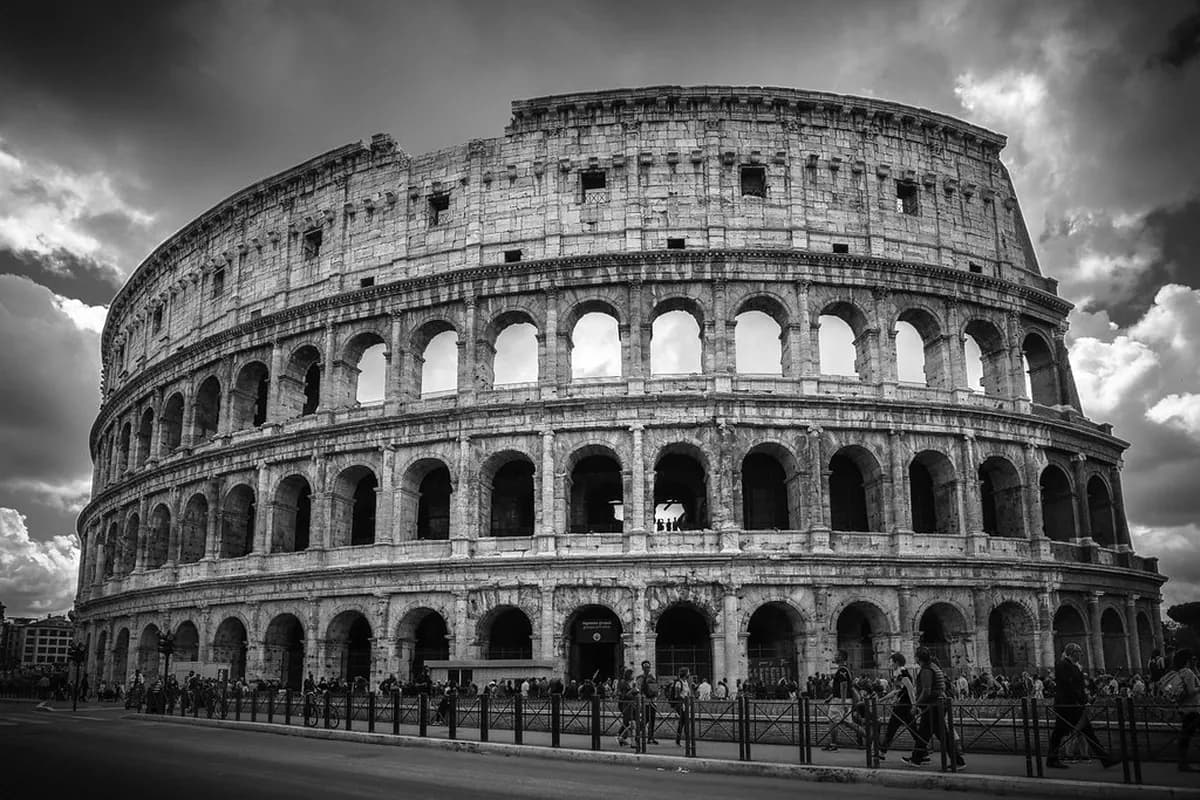
From Monti, walk five minutes to the Colosseum for your pre-booked afternoon slot (aim for 15:00–16:00 when the afternoon crowds thin slightly and the light is better for photos). The combined ticket includes the Roman Forum and Palatine Hill — allow two to three hours total for all three. The Forum rewards those who read a brief history beforehand; the ruins make much more sense when you know what each structure was. End Day 1 with dinner in Monti around 19:30. Book ahead at any of the well-reviewed spots on Via del Serpenti — this street alone has enough good options for a week of dinners.
Day 2: Vatican City and Trastevere
Arrive at the Vatican Museums entrance by 08:30. The site opens at 09:00 but the queue builds from 08:00 onward even for pre-booked visitors. An early start means you walk through the galleries before the tour groups arrive. The Museums are enormous — the full circuit is over five kilometres — so focus your visit on the Gallery of Maps, the Raphael Rooms, and the Sistine Chapel. Budget two and a half to three hours.
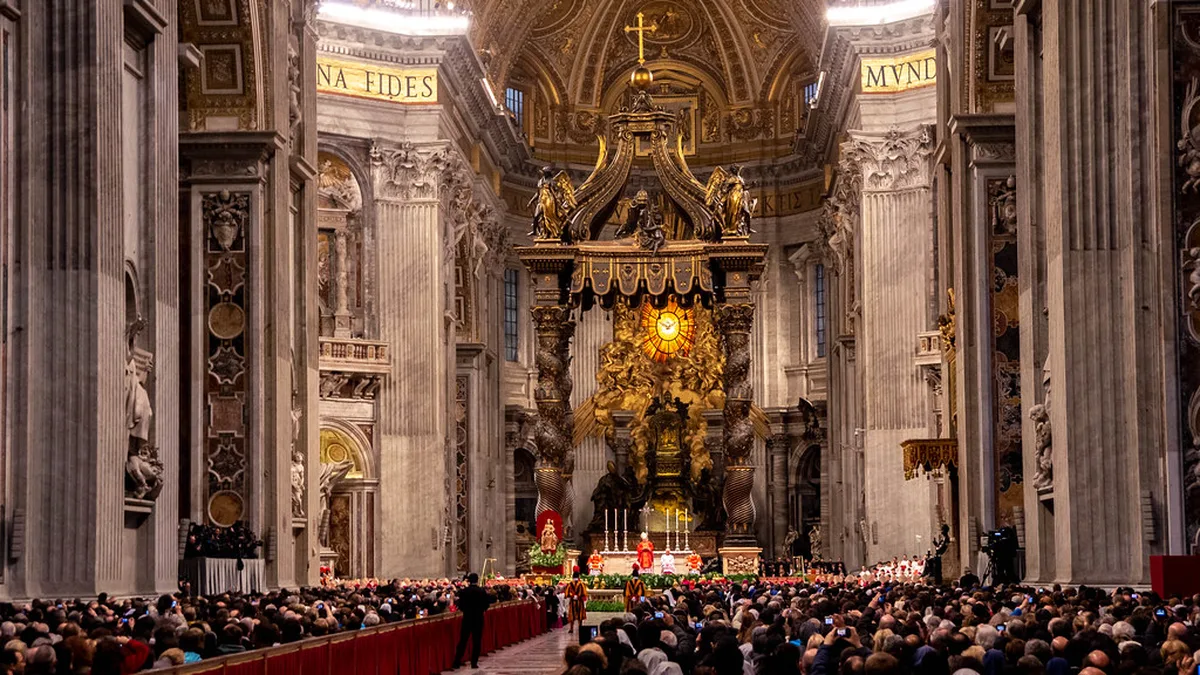
The Sistine Chapel is the culmination of the Vatican visit. Michelangelo painted the ceiling between 1508 and 1512; the Last Judgment fresco on the altar wall came 25 years later. No photography is technically permitted, though enforcement is inconsistent. Guards shush the room repeatedly — this is one of the noisiest "silent" spaces in the world. Spend 15–20 minutes here and exit into St. Peter's Basilica if your route allows it.
St. Peter's Basilica entry is free and the interior is staggering in scale. Michelangelo's Pieta is in the first chapel to the right of the entrance. Climbing the dome (€8 via stairs, €10 via lift to an intermediate level plus stairs) gives the best elevated view in Rome — you look directly across the city toward the Colosseum on a clear day. Allow one hour for the Basilica and dome if you choose to climb.
After the Vatican, walk 20 minutes south along the Tiber toward Castel Sant'Angelo — the cylindrical mausoleum converted into a papal fortress. You can enter for €14 or admire the Ponte Sant'Angelo bridge (lined with Bernini-designed angel statues) for free. Cross the river into Trastevere for the evening. The neighborhood is at its best after 19:00 when the day-trippers leave and Romans come out. Eat at a table on one of the outdoor piazzas, order the house wine in a carafe, and stay until the streets empty. Our Trastevere neighborhood guide covers the best spots in detail.
Day 3: Borghese Gallery and Local Neighborhoods
The Borghese Gallery operates on strict two-hour slots and visitor numbers are capped at 360 per session. Book the 09:00 or 11:00 slot — both are less crowded than the afternoon. The collection includes Bernini's Apollo and Daphne, The Rape of Proserpina, and David, plus Caravaggio paintings that demonstrate why his work was considered scandalous. These are among the finest sculptures in the world in a mid-size villa rather than an overwhelming mega-museum. Two hours here is the right amount of time.
After the gallery, walk through the Villa Borghese gardens for 30–45 minutes. The park sits on a hill and there are several viewpoints toward the city. Rent a rowboat on the small lake (€5 for 20 minutes) if you have children with you. Exit the park near Piazza del Popolo — the large oval piazza has two near-identical Baroque churches (Santa Maria dei Miracoli and Santa Maria in Montesanto) that most visitors walk past without realizing they are not the same building.
Spend the afternoon on the Spanish Steps and the surrounding area. The Steps connect Piazza di Spagna below to the Trinità dei Monti church above. Climb them and go inside the church — it is free and far less crowded than the Steps themselves. Walk south through the historic center toward the Pantheon one more time, then on to Piazza Navona for a final evening stroll. Dinner near the Pantheon on your last night is a classic Rome experience; book a table rather than walking in. See our 12 Best Things to Do in Rome guide for a full list of options for travelers with extra time.
Walking distances within central Rome are deceptively short. The Pantheon to Piazza Navona is 5 minutes on foot; Trevi Fountain to the Pantheon is 10 minutes. Wear flat, closed-toe shoes with good cushioning for the sampietrini (historic cobblestones) — they are beautiful but unforgiving. Plan to walk 25,000–35,000 steps over your three days.
The Nasoni Fountains and Dinner Reservation Culture
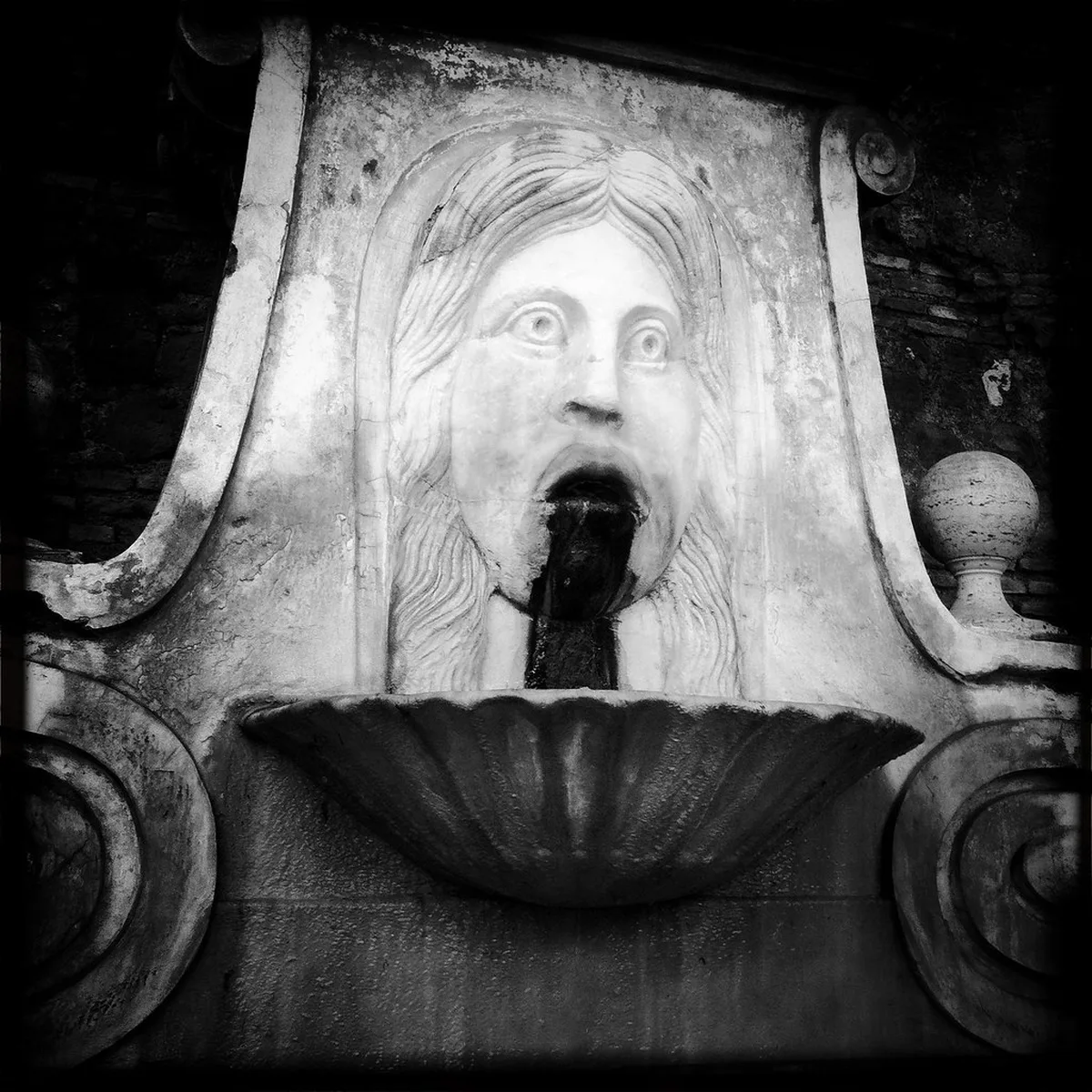
Rome has more than 2,500 free drinking fountains called nasoni (little noses) scattered across the city. They run continuously with cold, clean, potable water. You can fill a reusable bottle at any of them. Most tourists spend €2–3 per bottle of water two or three times a day — over three days that adds up to €15–20 per person that you can save entirely. Look for the small iron spouts protruding from walls and columns; they are on almost every street corner in the historic center. The water comes from the same ancient aqueduct system that has supplied Rome for over 2,000 years.
Dinner reservation culture in Rome is not the same as in other major European cities. Romans eat late — 20:30 is a normal dinner time, and 21:00 is common. Showing up at a well-regarded local trattoria at 19:00 without a reservation is a common tourist mistake. You either get seated immediately because no one else is there yet, or you get turned away entirely because the entire room is already reserved for 20:30 and later. The middle ground of "walk in at 19:30 and expect a good table" does not work at the popular spots.
For evenings in Monti and Trastevere, reserve at least three to four days in advance during summer (June to August) and at least one to two days in advance during shoulder season. The easiest booking method in 2026 is via the restaurant's Instagram direct messages — many Roman trattorias do not have English-language booking websites but respond quickly to DMs. This is not a quirk: it is standard practice for independent family-run restaurants in Rome.
Beyond Rome: Extending Your Italy Trip
If you have a fourth day or are continuing to other Italian cities, Tivoli is the closest worthwhile day trip. The Frecciarossa high-speed train from Roma Termini reaches Florence in 90 minutes (€20–40 depending on advance booking). Florence is a natural next stop after Rome — the Uffizi Gallery and the Duomo are a completely different register of Italian art and architecture from anything in Rome. Book Frecciarossa tickets at least a week in advance on the Trenitalia or Italo websites to secure the lower price tiers.
Naples is two hours from Rome by high-speed train and opens access to Pompeii, the Amalfi Coast, and the islands of Capri and Ischia. It is a busier and more challenging city to navigate than Rome, but the food is excellent and the Pompeii ruins are one of the most extraordinary historical sites in Europe. Our Rome 2 Day Itinerary: 11 Essential Planning Tips and One Day in Rome: The Ultimate 24-Hour Itinerary Guide guides are useful if your trip is shorter and you need to cut days rather than add them.
Frequently Asked Questions
Is 3 days enough time to see Rome?
Yes, three days is sufficient to see major landmarks like the Colosseum and Vatican. You will need to maintain a steady pace. Focus on one major neighborhood per day to avoid burnout.
Do I need a guided tour for the Colosseum?
A guided tour is not strictly required but highly recommended for historical context. It often includes access to restricted areas like the underground. Book these at least 30 days in advance.
Can you walk everywhere in Rome?
The historic center is very walkable, but the Vatican is further away. Use the metro or buses for longer distances. Wear comfortable shoes for the uneven cobblestone streets.
Rome is a city that stays with you long after you have finished your final gelato. Following this structured plan ensures you see the icons without missing the local charm. Remember to drink from the free Nasoni fountains to stay hydrated during your walks. I hope this guide helps you fall in love with the Eternal City just as I did.
Be sure to check our guide on 12 Best Restaurants in Rome for your evening meals. Safe travels and enjoy every moment of your incredible three-day adventure in Italy.
You might also like

Continue reading
More guides you'll find useful