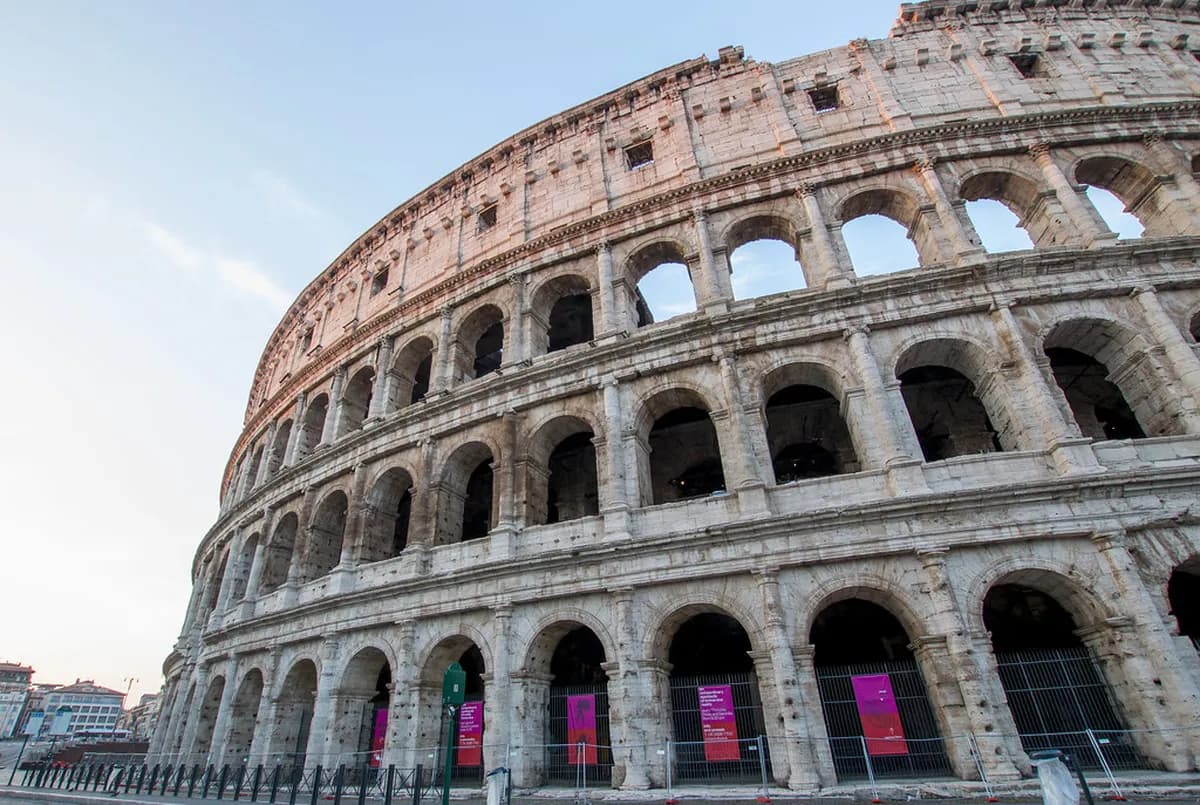
How Many Days in Rome? 10 Essential Planning Tips & Itineraries
Discover how many days in Rome you really need. From 1-day highlights to 5-day slow travel itineraries, plan your perfect trip with local tips and hotel guides.
On this page
How Many Days in Rome? A 3-Day Itinerary & Planning Guide
Rome is one of those cities where the answer to "how long should I stay?" shifts depending on who you ask. The Eternal City has more than 2,000 years of layered history, world-class art, and one of the finest food cultures in Europe, as the national tourism board highlights. Whether you have a single day or a full week, the key is knowing what to prioritize and what to leave for next time.
This guide covers every realistic duration from one day to five days, explains what you can honestly fit in, and flags the practical details — booking timelines, transport options, and neighborhood choices — that trip up first-timers most often. Before you book your flights, it is also worth thinking about the Best Time To Visit Rome: Seasonal Guide & Weather Tips since crowd levels vary significantly across the year.
How Many Days in Rome Do You Really Need?
The honest answer is: three days for a first-timer who moves at a reasonable pace, four to five days for anyone who wants to go beyond the headline sites. Two days is workable but leaves you feeling like you only skimmed the surface. One day is a highlight reel, not a city visit.
Your travel style matters more than the calendar. A fast-paced traveler can see the Colosseum, Vatican, Pantheon, and three piazzas in two full days. A slow traveler who lingers over long lunches and gets lost in Trastevere's alleys will want at least four. Families with young children typically need one extra day built in to account for slower movement and more frequent breaks.
There is also a practical factor that most planning guides skip: your flight schedule eats into your "days in Rome" more than people expect. If you land at 14:00 on Day 1 and your return flight departs at 10:00 on Day 4, you have effectively 2.5 days of sightseeing, not 3. Always count your full days from first morning in the city to last evening, not from arrival date to departure date.
Calculate your actual Rome time from your first full morning to your last evening. A flight landing at 14:00 and departing at 10:00 two calendar days later gives you only 2.5 days of sightseeing. This mismatch is why two-day visits often feel rushed and three days feels like the realistic minimum.
Is 3 Days in Rome Enough?
Three full days is the classic answer for first-time visitors, and it holds up. You can cover the Colosseum and Roman Forum, dedicate a morning to the Vatican Museums and St. Peter's Basilica, and still have time for the Pantheon, Trevi Fountain, and a long dinner in Trastevere. You will not feel like you missed the city.
What three days does not give you is depth. Charming neighborhoods like Testaccio, Aventine Hill, and the Jewish Ghetto require an unhurried afternoon each. The Borghese Gallery — one of the finest small museums in Europe — needs a half-day slot and must be pre-booked. History buffs who want to explore the Capitoline Museums or walk part of the Appian Way will consistently feel short of time on a three-day schedule.
The verdict: three days is enough to fall in love with Rome. It is not enough to feel like you have truly seen it. Most visitors leave already planning their return trip, which is arguably the best outcome.
| Trip length | Covers | Best for |
|---|---|---|
| 1 day | Colosseum, Roman Forum, Pantheon, Trevi Fountain, Piazza Navona | Travellers with limited time; highlights reel |
| 2 days | Ancient Rome (Day 1) + Vatican Quarter (Day 2), Trastevere, main piazzas | First-timers on a tight schedule; covers both cores |
| 3 days | Colosseum, Vatican, Pantheon, Trevi, Trastevere, Monti neighbourhood | Classic first-timer duration; see the highlights without feeling rushed |
| 4 days | All of 3 days plus Borghese Gallery, Capitoline Museums, Aventine Keyhole, Testaccio | History enthusiasts who want more museum and neighbourhood depth |
| 5 days | All major sites plus extended neighbourhood time, markets, slow meals, day trips (Tivoli or Ostia) | Slow travellers and families; experience Rome rather than just photograph it |
1-Day Rome Itinerary: The Whirlwind Highlights
One day in Rome demands ruthless prioritisation. Start at the Colosseum by 09:00 — tickets must be booked online in advance, standard entry costs €18 and includes the Roman Forum. Allow two hours for the Colosseum interior and a quick walk through the Forum. Skip Palatine Hill on a one-day visit; save that for a longer trip.
Walk to the ancient Pantheon by midday (entry €5, open from 09:00). Grab lunch near Campo de' Fiori and head to the Trevi Fountain mid-afternoon when the light is good for photos. End the day with a walk through Piazza Navona and an aperitivo in one of the surrounding bars around 18:30. You will not see everything, but you will see Rome.
One practical note: do not try to squeeze in the Vatican on a one-day visit. The Vatican Museums alone take a minimum of three hours to do properly. Rushing through both the ancient and papal cores in a single day produces exhaustion, not memories.
2-Day Rome Itinerary: The First-Timer's Classic
Two days lets you split the city into its two most logical halves: ancient Rome on Day 1 and the Vatican quarter on Day 2. Day 1 runs from the Colosseum and Roman Forum in the morning to the Pantheon and Trevi Fountain in the afternoon, with dinner in the Monti neighborhood. Day 2 starts at the Vatican Museums at 08:00 (the official opening time), continues through St. Peter's Basilica, and finishes with a walk across the Sant'Angelo bridge to Piazza Navona for dinner.

This two-day structure is tight but coherent. The main risk is trying to add too much: Spanish Steps, Borghese Gallery, and Trastevere are all tempting but will shred the pace. Pick one optional addition per day and no more. Most visitors find that Trastevere in the evening of Day 2 is the most rewarding addition — it requires almost no detour from the Vatican route and the neighborhood is at its best after 19:00.
4-Day Rome Itinerary: For the History Buff
Four days is where Rome opens up. Keep Days 1 and 2 roughly as described above. Use Day 3 to slow down: morning in Trastevere, afternoon at the Borghese Gallery (strictly timed entry, book 7 days in advance at galleriaborghese.it, €15 entry, maximum two-hour visit), and evening in the Prati neighborhood near the Vatican. Day 4 is the flex day: Capitoline Museums and the view from the terrace over the Forum, or a visit to the Aventine Keyhole (the famous garden hedge that frames a perfect view of St. Peter's dome, free, takes 20 minutes, always worth it).
History buffs should add the Baths of Caracalla on Day 4 afternoon. These are among the best-preserved ruins in the city and far less visited than the Forum complex. Entry costs €8 and the virtual reality headset option is genuinely impressive. The site closes at 18:00 in summer. From there, the Testaccio neighborhood is a five-minute walk for one of the best market-to-table dinners in Rome.
5-Day Rome Itinerary: The Slow Traveler's Choice
Five days is the sweet spot for anyone who wants to experience Rome rather than just photograph it. By Day 4 you will have covered the major sites; Day 5 is when dolce far niente — the Italian art of doing nothing productively — becomes part of the itinerary. This means a two-hour breakfast at a neighborhood bar, a market visit at Testaccio (open Tuesday to Sunday, 07:00–14:00), and an afternoon in Trastevere with no particular agenda beyond finding good coffee and reading in a piazza.
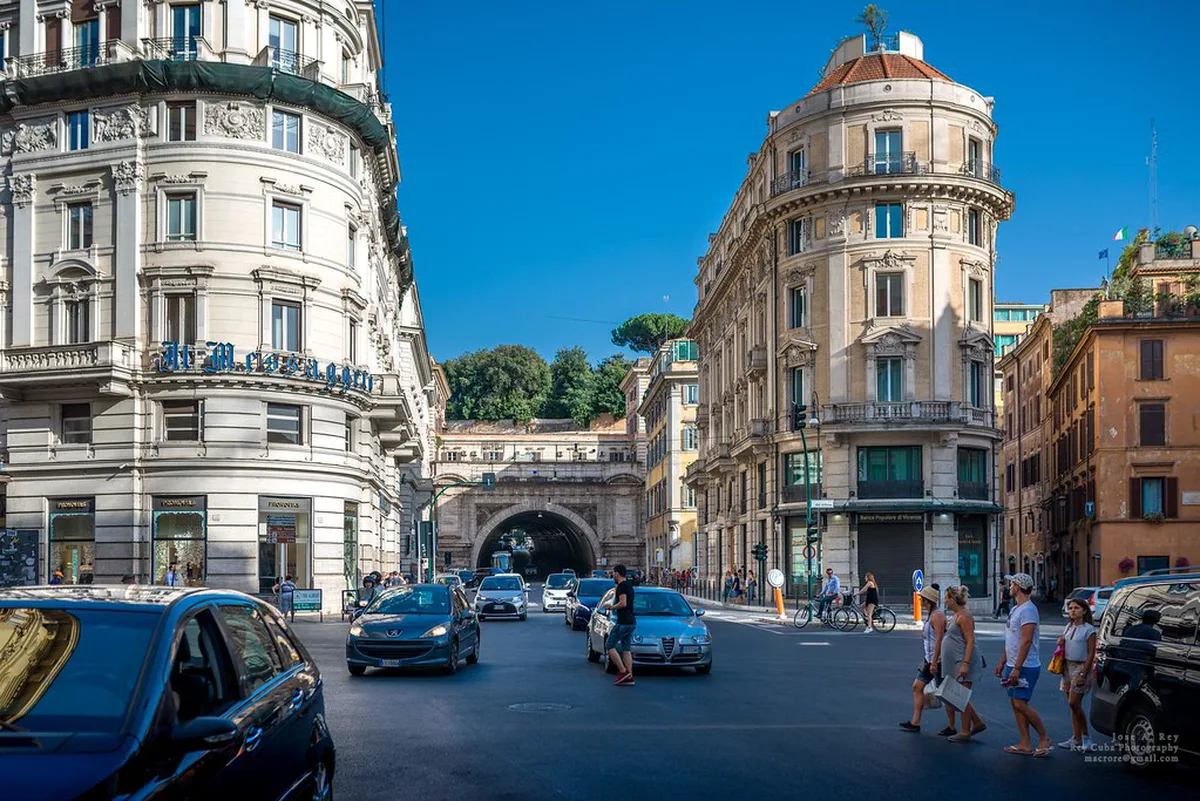
With five days you can also add one of the most rewarding things to do in Rome that most visitors skip: a guided evening walk of the city's Baroque fountains. After dark, the Trevi Fountain, Piazza Navona, and the lesser-known Piazza Farnese look completely different without the daytime crowds. The change of pace on Day 5 makes the earlier high-intensity days feel worthwhile rather than exhausting.
Families typically find that five days is the minimum that allows younger children to enjoy Rome without being dragged between sites at adult pace. Building in a morning at Villa Borghese park — the large public park surrounding the gallery — costs nothing and keeps everyone recharged.
Book in Advance: The Ticket Scarcity Problem
Rome has a genuine advance-booking problem that catches first-timers by surprise every year. The most popular sites sell out their timed-entry slots weeks before your visit, not days. Understanding the booking lead time for each site is one of the most useful things you can do before your trip.
The Colosseum (coopculture.it, €18) sells out 30 days in advance during peak season (April to October). If official tickets are gone, look for authorised guided tours — they cost more (typically €30–45) but include a reserved entry slot. The Vatican Museums (museivaticani.va, €25) are similarly tight: aim to book at least 30 days out in summer, two weeks minimum in shoulder season. The Borghese Gallery is the most restrictive: visits are capped at two hours, capacity is strictly limited, and booking 7–10 days ahead is the realistic minimum even in winter. The Pantheon (€5, pantheonroma.com) now requires advance booking on weekends and Italian public holidays — check the website as this policy was updated in 2024 and continues to evolve.
A practical tip: set a calendar reminder for exactly 30 days before your trip to purchase Colosseum and Vatican tickets simultaneously. Missing this window on both in the same week is a common mistake that forces visitors into expensive last-minute tour packages.
The Borghese Gallery is the most restrictive major site — visits are limited to two hours, capacity is strictly capped, and you must book 7–10 days in advance even in low season. If you have only 2–3 days, skip it and focus on the Colosseum and Vatican instead. For 4+ days, it becomes a worthwhile addition to break up consecutive days of ancient sites.
Where to Stay in Rome: Best Neighborhoods by Duration
Choosing 10 Best Neighborhoods for Where to Stay in Rome has a bigger impact on your daily experience than almost any other decision. The right neighborhood keeps your transit time low and puts you within walking distance of the sites most relevant to your schedule. The wrong one means a 30-minute bus ride every morning before sightseeing even begins.
For stays of 1–2 days, the Centro Storico — the area around the Pantheon and Piazza Navona — is the most efficient base. You can walk to both the ancient core and the Vatican quarter without using transport. Hotels here are expensive, but the time saved on a short trip justifies the premium. The Termini area is a common budget fallback: transport connections are excellent and prices are lower, but the neighborhood itself has little atmosphere. Staying there is convenient and nothing more.
For stays of 3–5 days, Monti and Trastevere are the two neighborhoods that consistently produce the best visitor experiences. Monti sits between the Colosseum and the main shopping streets, has genuine local-life character, and is well-served by Metro Line B. Trastevere is quieter, across the Tiber, and feels like a village inside a city. It requires more walking or bus use to reach ancient Rome but pays back with atmosphere in the evenings. For those near the Vatican, Prati is a well-connected, calmer alternative to Monti with good restaurants and no tourist tat.
For 6-day stays or longer, Testaccio is worth considering. The neighborhood was historically working-class and is now one of the best food destinations in the city. It is a 20-minute walk from the Colosseum and sits on Metro Line B. Always check whether your hotel building has a lift before booking — many historic Roman palazzi have only steep, narrow stairs, and this is rarely flagged clearly in listings.
Can You Do Day Trips from Rome?
Rome is one of the best bases in Italy for day trips, provided you have four or more days in the city. Tacking a day trip onto a 3-day visit is possible but leaves your Rome time feeling rushed. If the city itself is your main goal, add day trips only when you have at least one full day per trip beyond your core Rome itinerary.
Tivoli is the most rewarding short day trip. Regional trains from Termini run every 30 minutes and cost about €3; the journey takes 45 minutes. Villa d'Este (€14 entry) has the most elaborate Renaissance fountain gardens in Italy. Hadrian's Villa nearby is a UNESCO World Heritage Site — the 2nd-century ruins of the emperor's personal retreat cover 120 hectares and are far less crowded than anything in central Rome. Plan five to six hours on-site between the two.
Ostia Antica makes an excellent half-day for ancient history fans. The train from Piramide station takes 30 minutes and costs €1.50 on a standard ATAC transport ticket. The site is extensively preserved and usually much quieter than the Forum. Entry is €12. Pompeii is a longer commitment — two hours each way by high-speed train to Naples and then a regional train to Pompeii Scavi station. The site requires a full day. See the detailed 11 Best Day Trips from Rome guide for itinerary specifics.
Things to Know Before Visiting Rome
A few practical realities make a significant difference to how smoothly your trip runs. First, cobblestone streets are everywhere in the historic centre. Suitcases with wheels are difficult to manage between the Colosseum and Trastevere; good walking shoes are non-negotiable. Plan on 15,000–20,000 steps per day on a full sightseeing day.
Second, the Vatican dress code is strictly enforced — not just suggested. Both men and women must cover their shoulders and knees to enter St. Peter's Basilica and the Vatican Museums. Guards turn people away at the door if they are not dressed appropriately. Lightweight scarves or a change of clothing in your bag solves this entirely. The same rules apply to other major Roman churches including the Pantheon and Santa Maria Maggiore.
Third, the nasoni drinking fountains scattered across the city produce excellent cold, drinkable water year-round. Carrying a refillable bottle cuts costs and keeps you hydrated during long walking days. Tap water in restaurants is also safe and free — ask for "acqua del rubinetto" to avoid paying €3 for a small bottle. Finally, the Roma Pass (€52 for 48 hours or €72 for 72 hours, available at romamobilità.it) includes unlimited public transport and discounted or free entry to two major museums. On a three-day visit focused on two or three paid sites plus multiple bus journeys, it pays for itself.
Getting around the city is simpler than the map suggests. Metro lines A and B cover most tourist areas. Single tickets cost €1.50 and are valid for 100 minutes across metro, buses, and trams. Taxis are metered, reliable, and not cheap — expect €12–15 from Termini to the Colosseum. The Free Now app (formerly MyTaxi) is the most common way to book a licensed taxi without flagging one down. Walking between the Colosseum, Pantheon, and Trevi Fountain takes about 30 minutes and is genuinely pleasant if you are not pressed for time.
Frequently Asked Questions
How many days is enough to visit Rome?
Most first-time visitors find that three full days is the perfect amount of time. This allows you to see the Colosseum, Vatican, and major piazzas without feeling too rushed. If you want to include day trips, consider staying for five days.
Is 2 days in Rome enough?
Two days is quite short but possible if you focus only on the main highlights. You will have to choose between a deep dive into history or a more relaxed city walk. Expect to walk a lot and use taxis to save time.
What is the best month to visit Rome?
April, May, and October offer the best balance of pleasant weather and manageable crowds. Summer months can be extremely hot and very crowded with tourists. Winter is quieter and cheaper but can be quite rainy and chilly.
Rome is a city that stays with you long after you leave its gates. Whether you have two days or a full week, planning ahead is key. I hope this guide helps you decide how many days in rome you need.
Don't forget to leave some time for a simple gelato and people-watching. The magic of the city is often found in the quiet, unplanned moments. Enjoy your journey through one of the world's most beautiful historic capitals.
You might also like


Continue reading
More guides you'll find useful