Rome 2 Day Itinerary: 11 Essential Planning Tips
Plan your perfect rome 2 day itinerary with this expert guide. Includes a day-by-day map, neighborhood context, timing tips, and practical booking advice.
On this page
Rome 2 Day Itinerary: 11 Essential Planning Tips
I built this rome 2 day itinerary after my fourth visit to the Eternal City. This guide is designed specifically for first-time visitors who want to see the icons without feeling rushed. Rome can feel overwhelming, but a solid plan makes the ancient history feel much more manageable. You will find that 48 hours is the absolute minimum time needed for a proper introduction to this city.
Two days is tight but achievable if you pre-book everything and resist the urge to improvise. The biggest single mistake is arriving without Colosseum and Vatican tickets. I once stood in a two-hour Colosseum queue before learning that lesson. This itinerary eliminates that kind of wasted time and covers everything from the Roman Forum to the new 2026 Trevi Fountain regulations, plus the transport scams to dodge and where to eat without being fleeced.
2-Day Rome Itinerary: At a Glance
This quick overview helps you visualise your 48-hour journey through Rome. Day 1 works through ancient Rome and the historic centre, moving from the Colosseum to the Trevi Fountain and ending with dinner near Piazza Navona. Day 2 tackles Vatican City in the morning, then follows the Tiber north toward Trastevere in the evening.
I recommend staying centrally — between Termini, Piazza Navona, and Piazza del Popolo — so most sights are walkable. Each day runs roughly ten hours including breaks. If you want to understand exactly how long you need or whether to extend your trip, check How Many Days in Rome? 10 Essential Planning Tips & Itineraries are truly ideal. For travellers with only one day available, there is a separate One Day in Rome: The Ultimate 24-Hour Itinerary Guide plan that prioritises differently.
- Day 1: Ancient Rome classics
- Morning: Colosseum, Roman Forum, and Palatine Hill
- Afternoon: Pantheon and Trevi Fountain
- Evening: Piazza Navona dinner
- Day 2: Art and Vatican treasures
- Morning: Vatican Museums and Sistine Chapel
- Afternoon: St. Peter's Basilica and Castel Sant'Angelo
- Evening: Trastevere food wandering
| Day | Morning | Afternoon & Evening |
|---|---|---|
| Day 1 | Colosseum, Roman Forum, Palatine Hill (08:30–12:30); lunch in Monti | Pantheon (14:30–17:00); Trevi Fountain; dinner near Piazza Navona (19:30–22:00) |
| Day 2 | St. Peter's Basilica (07:00–08:30); Vatican Museums & Sistine Chapel (09:00–13:00); lunch near Vatican | Castel Sant'Angelo (14:30–16:30); aperitivo & dinner in Trastevere (18:00–22:00) |
Rome Itinerary Day 1: Ancient Rome and the Historic Center
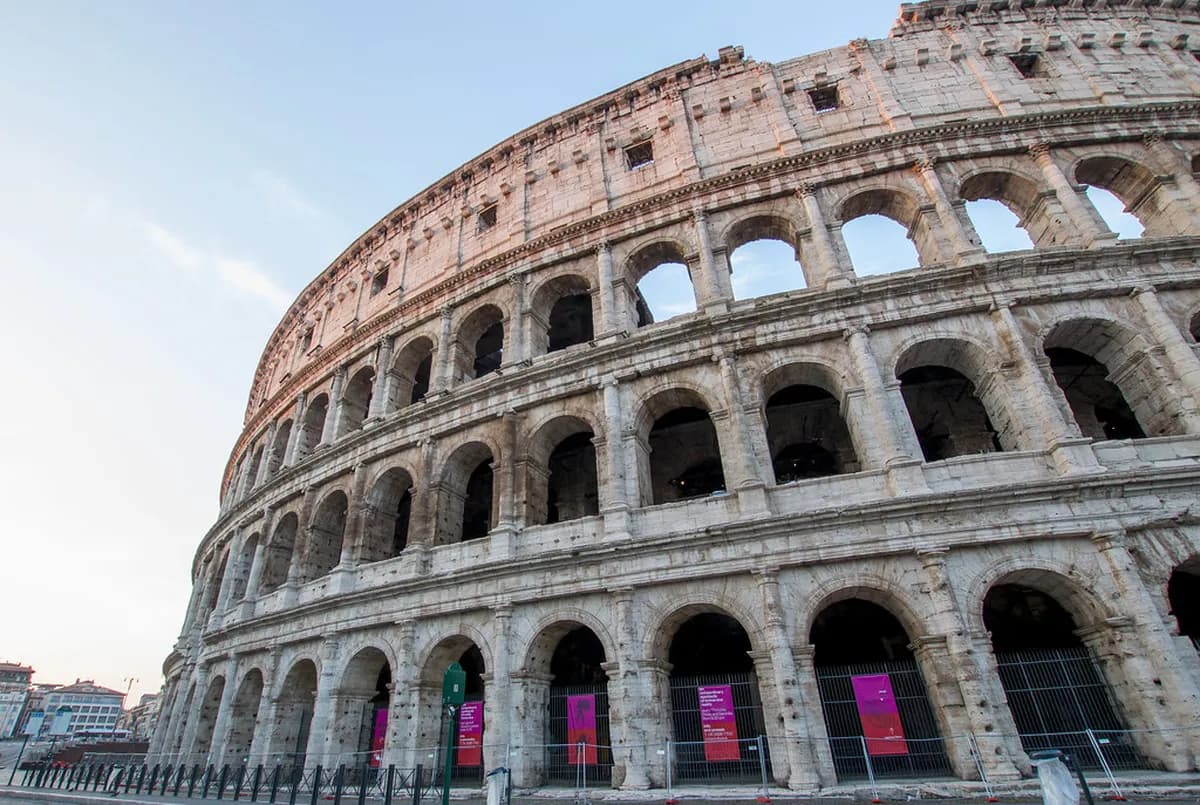
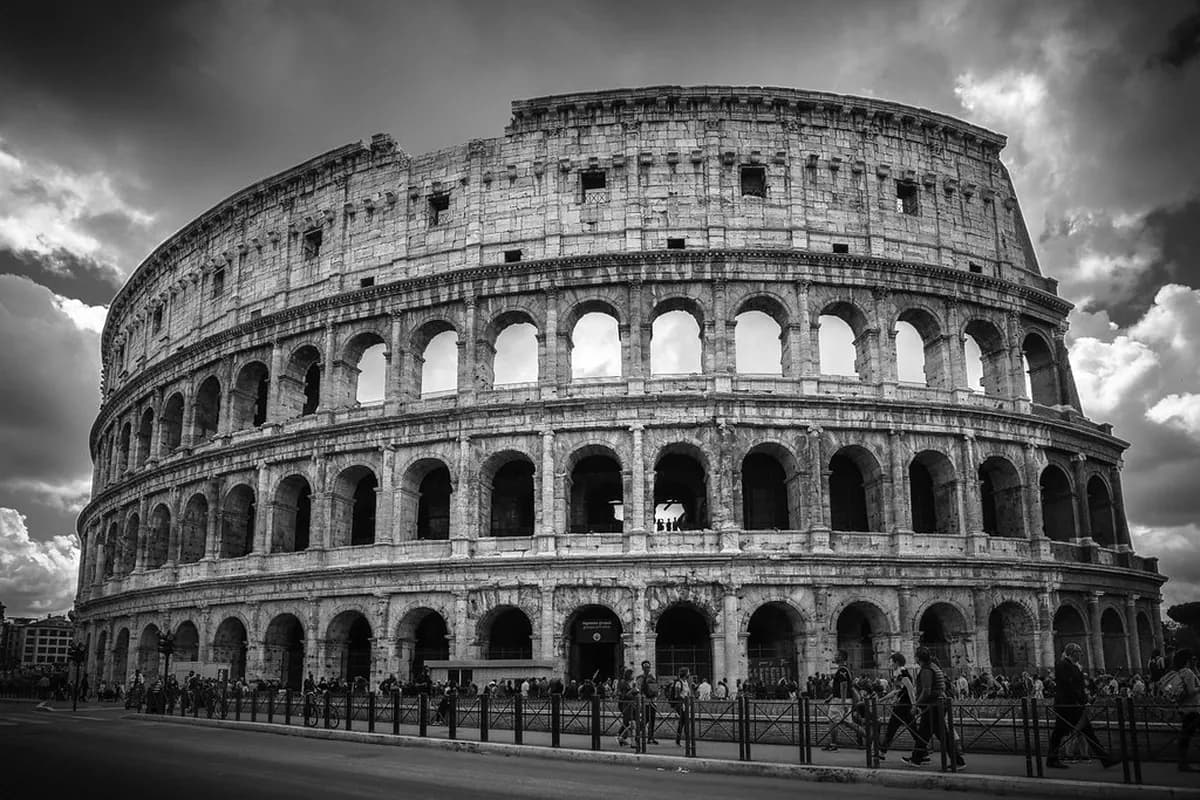
Start your first morning at the Colosseum by 08:30 to beat the heaviest crowds. Entering early lets you photograph the arena floor in better light and move through the upper levels before tour groups arrive. A standard ticket costs around €18 and covers same-day entry to the Roman Forum and Palatine Hill. Book via the official Colosseum website, which releases tickets on a rolling 30-day window — popular dates sell out fast. If the official site is sold out, third-party platforms like GetYourGuide draw from a separate allocation. All tickets require your full name, and government-issued ID is checked at the gate.
The Roman Forum is right next door and warrants at least 90 minutes. Walk uphill to Palatine Hill first for the best aerial view over the Forum before the light gets harsh. Notable stops inside the Forum include the Temple of Julius Caesar, the Arch of Titus, and the well-preserved bronze doors of the Temple of Romulus. For lunch, head toward the 8 Essential Things to Know About the Monti Neighborhood in Rome for authentic pasta away from the tourist clusters near the Colosseum gates. The small trattorias along Via dei Serpenti consistently outperform anything on Via dei Fori Imperiali on both price and quality.
Book Colosseum and Vatican Museums tickets at least 30 days in advance. Timed-entry slots on popular dates sell out entirely through official channels, forcing visitors onto expensive third-party platforms or paying premium rates for same-day access.
In the afternoon, stroll to the Pantheon. Entry requires a €5 ticket, which you should buy online to avoid the on-site queue. The building is open daily from 09:00 to 19:00. Completed around 120 AD, its unreinforced concrete dome remained the world's largest for 1,300 years. Continue to the Trevi Fountain afterward. As of February 2026, visitors must pay a €2 fee (electronic payment only) to access the lower basin area between 09:00 and 22:00. You can still view and photograph the fountain from street level for free, but the fee has meaningfully reduced basin congestion. After 22:00 access to the basin is free and the LED lighting is spectacular. Finish your evening near Piazza Navona — avoid the overpriced cafes on the square itself and walk one block into the side streets for better food at lower prices.
- Day 1 rough timing
- 08:30–12:30: Colosseum, Roman Forum, Palatine Hill
- 13:00–14:00: Lunch in Monti
- 14:30–17:00: Pantheon and Trevi Fountain
- 19:30–22:00: Dinner near Piazza Navona
- Walking time between major sites: 10–15 minutes
Day 2: Vatican City and Northern Rome
Your second day opens in Vatican City, technically a sovereign state. Book the earliest possible Vatican Museums slot — standard entry is around €20 and crowds grow sharply after 10:00. A practical tip worth knowing: St. Peter's Basilica opens at 07:00 and is nearly empty at that hour, so experienced visitors go there first before the museum queue opens. Visit the Basilica, climb the dome (€8 stairs, €10 with partial lift), then walk to the museum entry with a timed ticket for 09:00 or 10:00. This sequence means you only queue once and get the Basilica in its most atmospheric state.
The Vatican Museums cover 7 km of galleries. Highlights include the Gallery of Maps, the Raphael Rooms, and the Sistine Chapel at the end of the route. One detail worth noting for 2026: Michelangelo's Last Judgment on the Sistine Chapel altar wall completed a restoration in March 2026, just before Holy Week. A whitish patina that had obscured the colours since the 1994 restoration is now gone, and the original palette is fully visible for the first time in a generation. If you last visited before 2026, the difference is striking. After the Vatican Museums, spend time in the Basilica interior if you skipped it earlier, or join the dome queue.
Cross the Tiber in the late afternoon to explore the Trastevere Rome Neighborhood Guide: Stay, Eat, and Explore area. This neighbourhood is famous for its narrow cobbled alleys and lively evening atmosphere. Aperitivo starts around 18:00 at bars like Freni e Frizioni on Via del Politeama — you order a drink and receive a generous snack spread. Dinner service in Rome typically begins at 19:30 or 20:00. Book a table in advance for popular Trastevere spots; many restaurants stay open until midnight.
- Day 2 rough timing
- 07:00–08:30: St. Peter's Basilica (low crowds)
- 09:00–13:00: Vatican Museums and Sistine Chapel
- 13:00–14:00: Lunch near Vatican
- 14:30–16:30: Castel Sant'Angelo
- 18:00–22:00: Aperitivo and dinner in Trastevere
Vatican Dress Code: What Nobody Warns You About
The Vatican enforces a strict dress code and turns visitors away at the door with no exceptions and no on-site storage or cover-up rental. Both men and women must have shoulders and knees covered. This rule applies equally at the Vatican Museums, St. Peter's Basilica, and the Pantheon. In summer, this catches a significant number of visitors wearing vest tops and shorts, who then face a walk back to their hotel or a hurried purchase from a nearby street vendor.
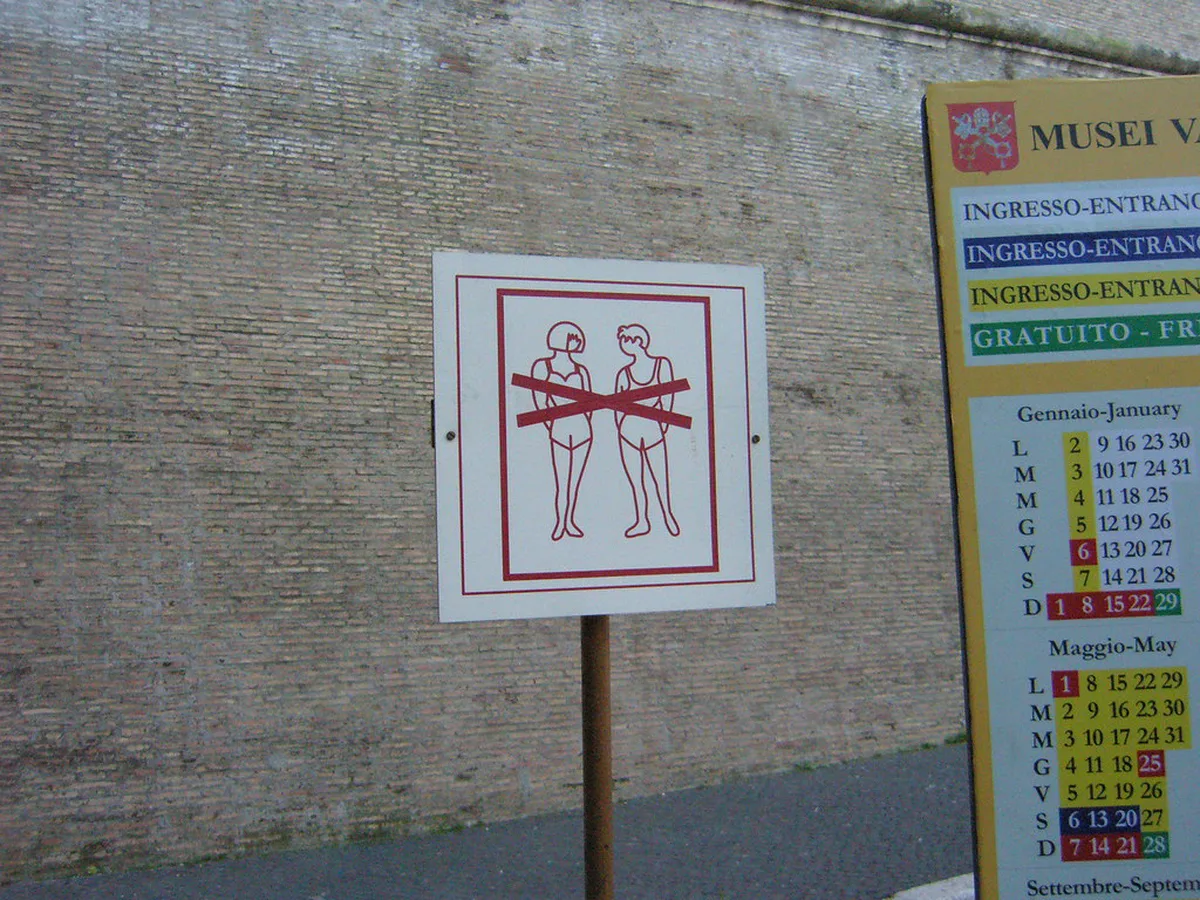
The easy fix is to pack a lightweight scarf or shawl in your day bag and carry a pair of light trousers or a long skirt that you can change into near the entrance. A thin linen trouser folds to almost nothing and doubles as sun protection during the rest of the day. This applies year-round — even in winter, sleeveless tops will get you turned away. Check your outfit the night before Day 2 rather than discovering the problem at the Vatican gate at 07:30.
How to Save Money and Skip the Lines
The single most effective thing you can do is book Colosseum tickets at least 30 days out and Vatican Museums tickets at least two to three weeks in advance. Both sites use timed-entry systems and popular slots genuinely sell out. The official Colosseum site is the cheapest option; the Vatican's own site usually beats third-party prices for museums entry. Galleria Borghese requires a mandatory reservation regardless of crowd level — it limits visitors to 360 per two-hour slot.
The Omnia Rome and Vatican Pass bundles Vatican Museums entry with a hop-on-hop-off bus and discounts at other sites. Whether it saves you money depends on your exact itinerary. A rough break-even calculation: the pass costs around €120 per adult. Vatican Museums entry alone is €20, Castel Sant'Angelo is €16, and the hop-on-hop-off bus is approximately €28 day pass — that already totals €64. If you add Capitoline Museums (€15) and two or three other discounted attractions, the pass becomes cost-positive. If you are only doing Vatican and Castel Sant'Angelo on a tight two-day schedule, buy separately. Check the current rates at romeandvaticanpass.com before deciding.
For the Trevi Fountain, note that the €2 basin fee introduced in February 2026 applies daily from 09:00 to 22:00. Visiting before 09:00 or after 22:00 is free and significantly less crowded. The Pantheon also offers an online advance booking option that lets you skip the on-site queue — worth the marginal extra effort for a €5 ticket.
Where to Stay in Rome: Best Neighborhoods
Choosing the right base is critical for a short Rome 2 Day Itinerary: 11 Essential Planning Tips. The area between Termini Station, Piazza Navona, and Piazza del Popolo keeps you within walking distance of most of Day 1 and gives good metro access for Day 2. The Monti neighbourhood sits next to the Colosseum and has a great mix of local character and good restaurants. It is one of the best bases for first-timers who want to walk everywhere on Day 1.
Budget travellers should look near Termini Station for the most affordable rates. The area is convenient for metro connections and train access if you are arriving or departing by rail. The neighbourhood has a mixed reputation for atmosphere but modern hotels here are well-reviewed and the metro connection to the Vatican (Line A to Ottaviano) is direct. For a more local feel, Trastevere suits evening lovers but lacks a metro stop — trams and buses connect it frequently to the centre.
For a luxury apartment experience, the Plum Guide Rome curates high-end rentals in beautiful historic buildings with modern amenities. These offer a more residential feel than a standard hotel and are often located in central neighbourhoods with immediate walkability to Day 1 sites.
Getting Around Rome: Transport and Safety
Rome is highly walkable — most of Day 1 can be done entirely on foot if you are staying centrally. The Metro has two main lines, A and B, intersecting at Termini. A single ride costs €1.50 and is valid for 100 minutes across all public transport including buses and trams. For Day 2, Metro Line A from Termini to Ottaviano (Vatican) takes about 20 minutes. Always validate your ticket as soon as you board; inspectors do check and the fine is significant.
The unlicensed taxi situation near major stations and airports is a genuine issue. Only use the official white taxis marked with the Comune di Roma crest and a meter. These vehicles have fixed airport rates (€50 from Fiumicino to central Rome, €30 from Ciampino). Drivers who approach you inside arrivals halls or outside Colosseum — particularly offering a flat rate before you ask — are almost certainly unlicensed. If arriving by train at Termini, join the official taxi rank outside the main entrance rather than accepting offers inside the station.
Walking is also how you encounter the best of Rome. The small Nasoni fountains scattered across the city dispense free, cold, safe drinking water continuously. Bring a reusable bottle and refill it throughout both days. Keep your bag in front of you in Metro carriages and near the Colosseum, where pickpocketing is most common. A cross-body bag with a zip closure is the simplest precaution.
Only use official white taxis marked with the Comune di Roma crest and a meter. Unlicensed drivers who approach you at airports and stations, offering flat rates before you ask, have marked-up fares of 50–200% above the standard €50 airport rate.
Luggage Storage in Rome
If you are arriving early or departing late, luggage storage is a genuine planning consideration. Termini Station has official luggage lockers operated by Kipoint on the lower ground level, accessible 24 hours a day. Pricing is around €6 for the first five hours and €1 per additional hour. These are the most secure option but can be full during peak summer months — arrive early in the morning to claim a locker.
The Radical Storage network operates partner shops across the city and charges a flat €6 per bag per day regardless of duration. Multiple drop-off points are located within walking distance of both Termini and the Vatican neighbourhood (near Prati). For travellers arriving at Termini and heading straight to the Vatican on Day 2, the Prati-area Radical Storage location at the start of the day avoids carrying bags through the Vatican Museums. Check the map on their website the night before to confirm the nearest open partner location.
Best Time to Visit Rome
Rome is a year-round destination, but the shoulder seasons — April to early June and late September to October — offer the best balance for a two-day visit. Temperatures are warm but not extreme, days are long, and crowds at major sites are noticeably more manageable than peak summer. In April and May the city is in full bloom; in October the light is particularly good for photography in the golden late afternoon.
Summer (June through August) brings intense heat and the largest crowds. August is the quietest month for Romans themselves — many local restaurants close — but tourist numbers are at their peak. If summer is your only option, book all tickets well in advance, start sightseeing by 08:00 before the heat peaks, and plan a midday rest. Winter (November to March) is cooler and quieter with shorter queue times at most attractions. Snow is rare. The tradeoff is shorter daylight and a slightly different atmosphere, but for a focused two-day itinerary the reduced crowds can actually improve the experience at the Colosseum and Vatican.
Where to Eat in Rome: Avoiding Tourist Traps
The most reliable rule in Rome is to avoid any restaurant displaying a "tourist menu" board near the Pantheon, Piazza Navona, and the Colosseum. These fixed-price menus are specifically designed for visitors who do not know local pricing; the food is typically mediocre and the cost is roughly double what you would pay one block away. Walk two or three minutes in any direction from the monument and the quality-to-price ratio improves substantially.
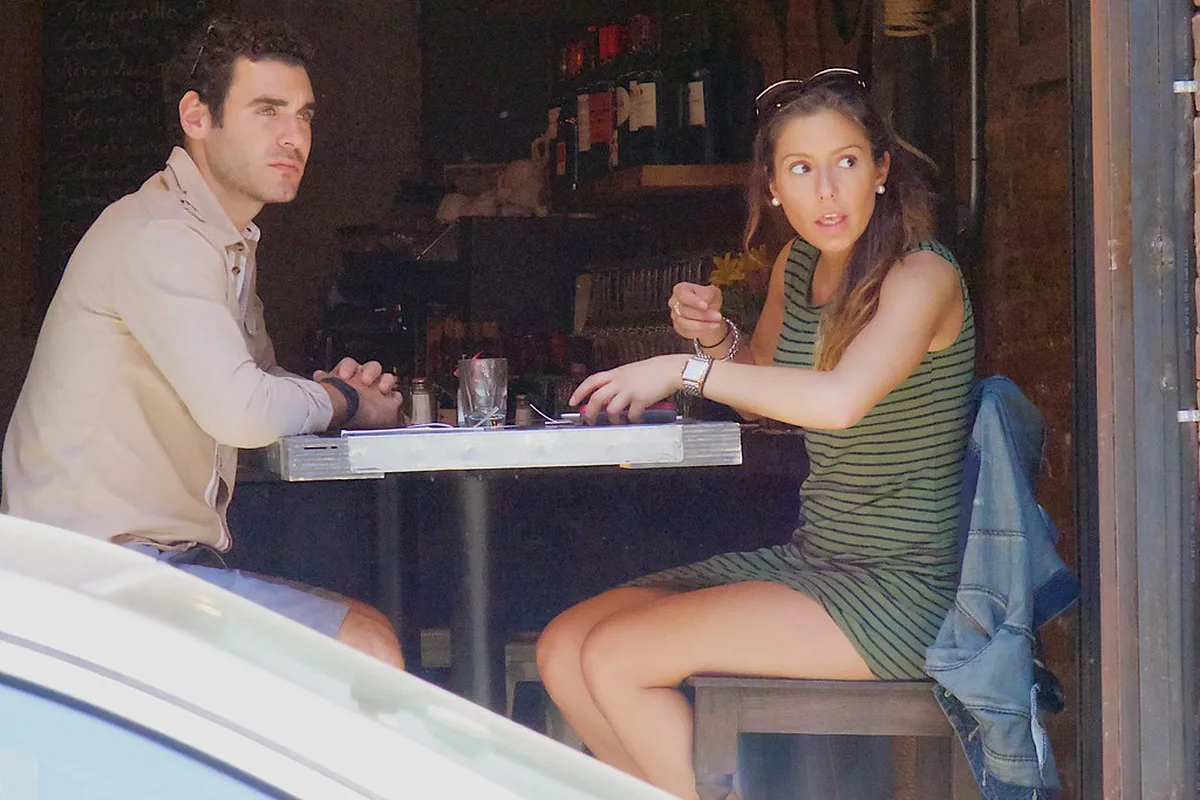
For lunch on Day 1, the Monti neighbourhood has trattorias serving genuine carbonara and cacio e pepe at reasonable prices. Da Armando al Pantheon (Salita dei Crescenzi 31, open since 1961 and listed in the 2026 Michelin Guide) is worth the short walk from the Pantheon if you book in advance. For dinner near Piazza Navona, walk one block into the side streets for the same Roman atmosphere at more reasonable prices. In Trastevere on Day 2 evening, Da Checco er Carrettiere is excellent for traditional Roman dishes including the celebrated oxtail, and Ai Marmi does thin-crust pizza in a no-frills setting where sharing tables is standard.
Standing at the espresso bar is the authentic Roman way to take coffee, and it is cheaper than sitting at a table. For cafe recommendations throughout the city, the Best Coffee in Rome Guide from Independent Travel Cats is a reliable reference with specific neighbourhood picks.
More Things to Do in Rome
If you have extra time or want to swap something from the main itinerary, several alternatives are worth knowing. The Capitoline Museums sit right next to the Roman Forum and hold one of the finest sculpture collections in the city, including the famous She-Wolf bronze. They also offer a unique elevated view directly over the Forum. Plan at least 90 minutes and book in advance.
The Borghese Gallery in the Villa Borghese gardens is one of the best art museums in Rome, holding works by Raphael, Bernini, and Caravaggio. Entry is strictly limited to 360 visitors per two-hour slot, so it never feels crowded — but reservations must be made weeks in advance via the official website. If you have a third day in Rome, this should be at the top of the list. The Spanish Steps are a free sight worth a brief visit on Day 2 afternoon if your route takes you through the Spagna area; note that sitting on the steps carries a €400 fine since 2019.
For a broader sense of how to use extra time in the city, the 12 Best Things to Do in Rome pillar guide covers neighbourhood walks, day trips, and off-the-beaten-path stops that do not fit inside a two-day schedule. If you want to extend your stay, the Rome 3 Day Itinerary: The Perfect Guide to the Eternal City adds Borghese Gallery, a Trastevere morning walk, and time for the Jewish Ghetto and Campo de' Fiori.
Tours of Rome
Guided tours make the most sense at the Colosseum and Vatican, where context transforms what would otherwise be visually impressive but historically opaque ruins and galleries. A good guide at the Colosseum explains the hypogeum (the underground tunnels where gladiators and animals were held), the seating hierarchy, and the specific mechanics of the arena floor — details that are invisible without narration. At the Vatican, a guide navigates the 7 km of galleries efficiently and typically includes access to the Sistine Chapel via the direct tunnel shortcut from the museums into St. Peter's Basilica, bypassing the standard queue to enter the church.
Early-morning Vatican tours (entry at 08:00, an hour before general admission) command a premium of roughly €100–€250 per person but deliver a meaningfully different experience in near-empty galleries. Standard guided Vatican tours starting at 09:00 are cheaper and still significantly better than going it alone for first-timers. For walking tours of the historic centre covering the Pantheon, Trevi Fountain, and Piazza Navona, a half-day afternoon tour fits neatly into Day 1 after the Colosseum morning.
Frequently Asked Questions
Is 2 days in Rome enough to see the Vatican?
Yes, you can see the Vatican Museums and St. Peter's Basilica in one morning. I recommend booking the 8:00 AM entry to finish by lunch. This leaves your afternoon free for other major city landmarks.
Is the water in the fountains drinkable?
The water from the small curved pipes known as Nasoni is perfectly safe and delicious. These fountains have run continuously since the 1870s. It is a great way to stay hydrated for free while exploring.
Do I need to pay for the Trevi Fountain?
Starting in 2026, there is a €2 fee to access the fountain's lower basin area. You must book a timed slot in advance online. Viewing the fountain from the upper street level remains free for all visitors.
Two days in Rome is just enough to fall in love with the city's ancient soul. By following this rome 2 day itinerary, you have covered the most significant historical and artistic treasures. I hope this guide helps you navigate the streets with confidence and ease. If you find yourself with extra time, consider a day trip from Rome to see the ruins of Ostia Antica. Rome is a city that rewards those who return, so do not worry if you missed a few spots. There is always a reason to come back to the Eternal City.
You might also like


Continue reading
More guides you'll find useful