One Day in Rome: The Ultimate 24-Hour Itinerary Guide
Plan the perfect one day in Rome with this 24-hour itinerary. Includes skip-the-line tips, local dining spots, and logistics for a stress-free trip.
On this page
One Day in Rome: The Ultimate 1-Day Itinerary Guide
I built this one day in Rome itinerary after my fifth visit to the Eternal City. This guide is perfect for first-timers who want to see the heavy hitters without feeling overwhelmed. I have personally tested every route in this article to ensure the timing is realistic for you. This plan reflects current pricing and entry rules for 2026.
Rome is a massive city, but you can see the highlights if you stay organized. If you have more time, consider checking out my Rome 3-day itinerary for a deeper dive. For now, we will focus on maximizing every single hour of your short stay. The key decision you need to make before you arrive: the Colosseum or the Vatican.
Why Trust This One Day Rome Itinerary?
Planning a trip to Italy often feels like a full-time job. I created this resource to save you hours of research and stressful guesswork. My advice comes from real-world trial and error in the busy Roman streets. You will find tips here that standard guidebooks often overlook.
Crowds at the major monuments peak around 11:00 AM every single day. By starting early, you can enjoy the city before the heat and noise arrive. This plan prioritizes the most iconic sights while leaving room for great pasta. We organize three distinct itinerary options so you can choose the one that fits your pace and priorities.
Colosseum vs. Vatican: The One-Day Decision
The single most important planning question for any one-day visitor is whether to anchor your morning at the Colosseum or at the Vatican. Trying to do both properly leads to exhaustion and neither experience lands well. The two sites are 5 km apart, and getting between them mid-day eats 30 to 45 minutes of transit time.
Choose the Colosseum if you are drawn to ancient history and outdoor ruins. The complex includes the Roman Forum and Palatine Hill on the same ticket, which alone fills three to four hours. Choose the Vatican if Renaissance art, the Sistine Chapel, and St. Peter's Basilica are higher on your list. The Vatican Museums cover 9 miles of galleries — even a focused visit takes two to three hours minimum.
If you genuinely want both in a single day, it is possible but only with an 07:30 start and taxis between sites. As noted by Savoring Italy, the Vatican alone takes at least four hours when you factor in queuing and the Sistine Chapel. The table below shows the trade-offs at a glance.
- Option 1 (Classic Ancient Rome): Pace — fast. Cost — moderate (€18 Colosseum). Main sights — Colosseum, Roman Forum, Palatine Hill, Pantheon, Trevi Fountain, Piazza Navona.
- Option 2 (Vatican Focus): Pace — fast to moderate. Cost — higher (Vatican tour €40–€70). Main sights — St. Peter's Basilica, Sistine Chapel, Vatican Museums, Castel Sant'Angelo, Pantheon, Spanish Steps.
- Option 3 (Slow Historic Walk): Pace — relaxed. Cost — low (€5–€10). Main sights — Spanish Steps, Trevi Fountain, Pantheon, Campo de' Fiori, Trastevere.
Option 1: The Classic Ancient Rome Itinerary
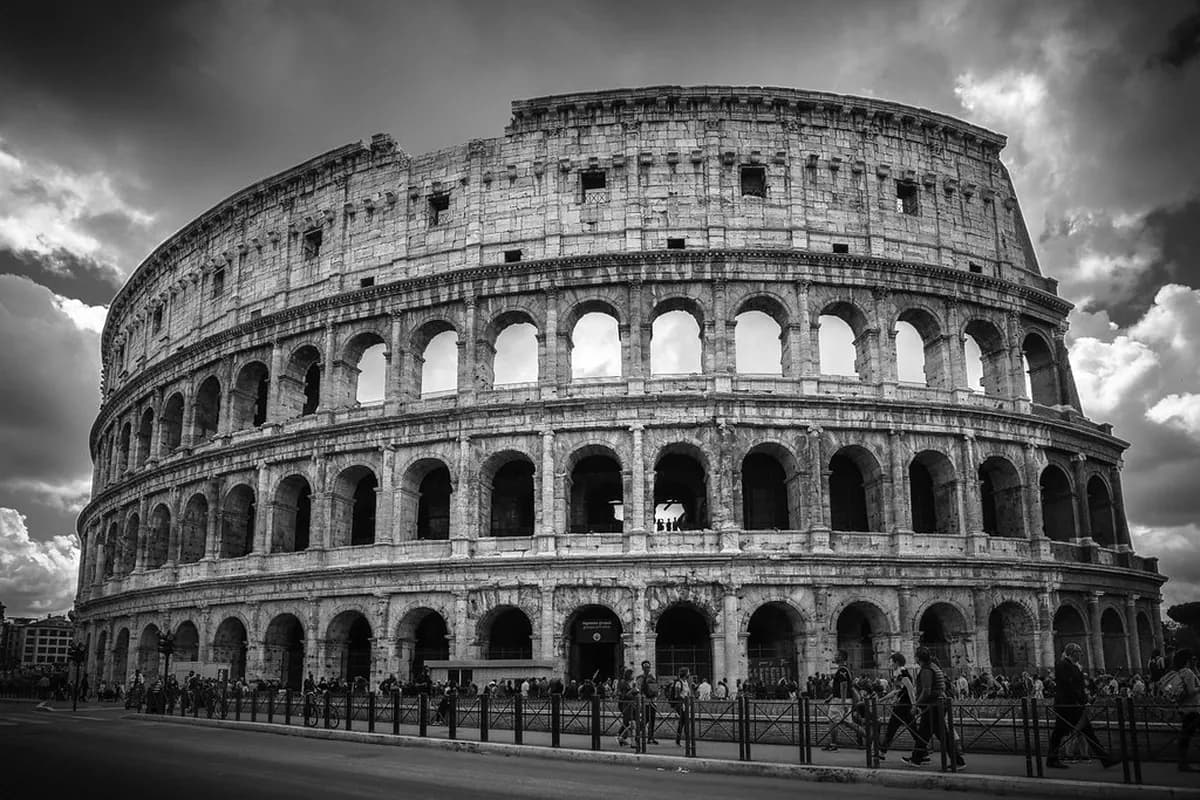
This is the best one-day plan if ancient history is your priority. Start at the Colosseum at 09:00 with a pre-booked timed ticket (€18, book at least 30 days in advance in peak season). Arrive 20 minutes early to clear the security check without stress. The arena interior, the Roman Forum, and Palatine Hill fill a solid three hours.
Book Colosseum tickets at least 30 days in advance during April–October; they regularly sell out 3–4 weeks ahead. Use the official site coopculture.it, not third-party resellers that charge inflated fees.
At 12:30, walk five minutes along Via dei Fori Imperiali to Piazza Venezia and the Altar of the Fatherland. The free terrace offers a panoramic view of the Roman Forum from above. For €12 you can ride the elevator to the rooftop for 360-degree views over the entire city — one of the best panoramas in Rome and worth every cent.
Grab a quick pizza al taglio (pizza by the slice) for lunch near Piazza Venezia around 13:30 — these stand-up pizza stops are cheap (€3–€5 per slice), fast, and exactly how Romans eat on weekdays. Head next to the Trevi Fountain at 14:15. Note that since February 2026, entry to the fountain basin costs €2. The crowds are thick mid-afternoon, but the fountain is still spectacular. Toss your coin and move on quickly.
Walk ten minutes to the Spanish Steps by 14:45 — sitting on the steps is now banned and carries a fine, but the view from the top over Rome's rooftops is worth the climb. Continue to the Pantheon at 15:30 (€5 entry, timed-entry required on weekends — book online). After the Pantheon, spend 30 minutes at Piazza Navona nearby. End the evening with dinner in Trastevere, a 20-minute walk or €8 taxi from Piazza Navona.
| Time | Stop | Notes |
|---|---|---|
| 09:00 | Colosseum | Pre-booked timed ticket (€18). Arrive 20 min early. 3 hours for arena, Roman Forum, Palatine Hill. |
| 12:30 | Piazza Venezia & Altar of the Fatherland | Free terrace view; €12 elevator to rooftop (360° views). |
| 13:30 | Lunch — Pizza al Taglio | Quick stand-up pizza near Piazza Venezia (€3–€5). |
| 14:15 | Trevi Fountain | €2 entry to basin viewing area. Expect crowds mid-afternoon. |
| 14:45 | Spanish Steps | 10-min walk. No sitting (fine enforced). Great rooftop views. |
| 15:30 | Pantheon | €5 entry. Timed entry required weekends; walk-up OK weekdays before 10:00. |
| 16:00 | Piazza Navona | 30 min nearby. Free to visit. |
| 18:00+ | Dinner in Trastevere | 20-min walk or €8 taxi from Piazza Navona. Arrive by 19:30 weekends for tables without reservation. |
Option 2: The Vatican & Highlights Itinerary
Start at St. Peter's Basilica by 07:30. The basilica opens at 07:00 and is free to enter. Arriving before 08:00 means virtually no security queue. Spend 60 to 90 minutes inside admiring Michelangelo's La Pietà and the Bernini baldacchino, then climb the dome (€10) for views over the city before it fills with tour groups.
Enter the Vatican Museums at 09:00 with a skip-the-line ticket booked online in advance (€20–€30 depending on tour type). The Museums open at 09:00 Monday through Saturday. If possible, choose an early morning small-group tour that uses the internal tunnel connecting the Sistine Chapel directly to St. Peter's Basilica — this bypasses the outdoor walk and the 30-to-60-minute security queue to re-enter the basilica. According to Earth Trekkers, that tunnel is the single biggest time-saver on any Vatican visit.
Exit the Vatican around 12:00 and walk east along Ponte Sant'Angelo — the bridge lined with Bernini angel sculptures over the Tiber River is a great photo stop. Take a taxi from near St. Peter's Square to the Colosseum at 13:30 (fare approximately €15, journey 15 minutes). This avoids a 25-minute metro ride with a transfer at Termini. Spend 60 to 90 minutes at the Colosseum — you will not have time for the Roman Forum today, so plan accordingly. Finish the evening with aperitivo and dinner in the Monti neighborhood, which sits right behind the Colosseum.
Wednesday warning: When the Pope is in residence, the Papal Audience begins at 09:00 in St. Peter's Square and the Basilica does not open until 12:30. If your single day falls on a Wednesday, either reverse this itinerary (Colosseum first, Vatican afternoon) or visit the Vatican after lunch.
Option 3: The Slow Rome Walking Itinerary
This option suits repeat visitors, budget travelers, and anyone who wants atmosphere over checkboxes. No major paid sites are required — total cost can be under €15 for the day. Start at the Spanish Steps at 08:00 before the crowds arrive. The steps are at their calmest before 09:00 and the surrounding streets are quiet enough to feel like a local neighborhood rather than a tourist zone.
Walk ten minutes to the Trevi Fountain by 08:30. This is the single best time of day at the fountain — the morning light hits the Neptune sculpture from the front and the basin crowd is a fraction of afternoon numbers. Budget €2 for the entry fee now required to access the fountain basin. After the fountain, continue on foot to the Pantheon (opens at 09:00, €5). A standing espresso at Tazza d'Oro, the historic café directly opposite the Pantheon on Via degli Orfani, is one of the best coffees in Rome — expect to pay €1.20 standing at the bar versus €3.50 if you sit at a table.
Spend the afternoon wandering through Campo de' Fiori market (the morning produce market winds down by 14:00), then cross into Trastevere by 16:00 for the most atmospheric neighborhood in Rome. The cobblestone streets around Piazza di Santa Maria in Trastevere are perfect for a slow aperitivo as the light fades. This itinerary pairs well with my Rome 2-day itinerary if you want to add the Colosseum the following morning.
Reserve Tickets Early: The Booking Window Warning
You cannot simply show up at Rome's top attractions and expect entry. Vatican Museums tickets regularly sell out 4 to 6 weeks in advance during April, May, June, September, and October. The Colosseum sells out 3 to 4 weeks out during the same period. Book both on the official websites the moment you confirm your travel dates.
The Colosseum official ticket costs €18 for the standard arena floor. Adding the Roman Forum and Palatine Hill is included. The Pantheon costs €5 and requires a timed-entry reservation on weekends — walk-up is usually fine on weekdays before 10:00. Vatican Museums standard entry is €17 online; guided tours with skip-the-line entry run €40 to €70 depending on the tour length and whether the Sistine Chapel tunnel is included.
For the Vatican specifically, book your tickets at the official Vatican Museums website (museivaticani.va). Third-party resellers charge significant markups for the same entry time. The Colosseum books through coopculture.it — the official site, not any look-alike domain.
Essential Logistics: Getting Around Rome in 24 Hours
Getting around Rome in 24 hours requires a mix of walking and quick transit. The historic center — from the Colosseum to the Pantheon to Piazza Navona — is walkable in under 20 minutes between any two points. Walking is the right choice for the historic core. Use the metro or taxis for the longer jumps, particularly the Vatican-to-Colosseum route.
The metro is reliable but limited. The Colosseum is served by Colosseo station on line B. The Vatican area uses Ottaviano station on line A. A single metro ride costs €1.50. To get between the Vatican and Colosseum by metro, you change at Termini — the total journey takes about 25 minutes including the transfer wait. A taxi covers the same route in 12 to 15 minutes and costs approximately €12 to €15. For a one-day visitor, the taxi is almost always worth it on this specific route. Use the FreeNow app to hail a licensed cab — it shows the metered fare before you confirm the booking.
Uber Black operates in Rome but the wait times are longer than taxis in the city center. Standard Uber is not available in Italy due to regulatory restrictions. Always confirm the meter is running when you get into a taxi — it is required by law and most drivers will start it automatically.
Dress Code and Entry Rules That Will Save You at the Door
St. Peter's Basilica enforces a strict dress code: no bare shoulders, no sleeveless tops, no shorts or skirts above the knee. Guards turn away visitors at the entrance with no exceptions. If you arrive in a tank top and shorts, you will need to buy a cover-up from street vendors outside (€5 to €10) or return to your hotel. The same rules apply inside the Vatican Museums, though enforcement is slightly less strict there.
Bring a light scarf or a cardigan in your bag regardless of the weather. In summer, Rome is extremely hot, and wearing a scarf over a sleeveless shirt is the standard workaround most experienced visitors use. Many churches beyond the Vatican, including Santa Maria Maggiore and San Giovanni in Laterano, have the same policy.
At the Trevi Fountain, climbing into the basin is banned and carries a fine of €450. The €2 entry fee introduced in February 2026 is for access to the roped viewing area around the basin — you pay at an automated barrier before you approach. Photography is free. At the Spanish Steps, eating on the steps is banned and carries a fine of up to €400. Standing and photographing from the steps is perfectly fine.
Where to Eat: Best Lunch and Dinner Spots for a One-Day Trip
For a fast, cheap lunch that keeps you moving, find a pizza al taglio shop near Piazza Venezia or the Vatican. Alice Pizza near St. Peter's Square serves excellent pizza by the slice — a two-slice lunch costs around €6 to €8. For a more relaxed sit-down lunch near Piazza Navona, Ponte e Parione on Via del Banco di Santo Spirito serves homemade pasta at honest prices and is a solid one-block detour from the square.
For dinner, Trastevere is the right answer for most first-time visitors. The neighborhood has dozens of genuine trattorie along Via della Lungara and the streets around Piazza di Santa Maria in Trastevere. Arrive by 19:30 on weekends to secure a table without a reservation at most mid-range spots. If you want a view with your meal, Oro Bistrot near the Altar of the Fatherland has a terrace overlooking the monument — reserve at least a week in advance in summer.
For breakfast, the Roman way is an espresso and a cornetto (croissant) standing at a bar. Sitting down at a table costs two to three times as much and adds 20 minutes to your morning. For the classic experience near the historic center, Tazza d'Oro opposite the Pantheon and Sant'Eustachio il Caffè two streets away are both beloved by Romans for decades. Standing espresso at either costs €1.20 to €1.50.
The standing espresso ritual is central to Roman café culture. Order at the counter ("un caffè per favore"), drink it in 30 seconds standing at the bar, then leave. Italians rarely sit for breakfast; the price jump is steep (€1.50 to €4+) and Romans see sitting as a tourist move.
Where to Stay in Rome for a One-Night Stay
Choosing the right base is critical when you have limited time. The two best neighborhoods for a short stay are the historic center (near the Pantheon) and Monti (near the Colosseum). Both put you within walking distance of most major sites and reduce your dependency on taxis.
The historic center — specifically the streets around Piazza Navona and Campo de' Fiori — gives you immediate access to the Pantheon, Trevi Fountain, and Spanish Steps on foot. Hotels here are more expensive but you will save real money and time by not needing cabs for the evening stroll. Check my guide on 10 Best Neighborhoods for Where to Stay in Rome for specific hotel picks at each price point.
The Monti neighborhood sits directly behind the Colosseum and has a genuinely local character. It is quieter than the historic center, has better value accommodation, and positions you perfectly for an early Colosseum entry. The trade-off is that the Vatican is a 30-minute metro ride away. If you are following Option 1, Monti is the ideal base. If you are following Option 2, the historic center or Prati (directly across the Tiber from the Vatican) are the better choices.
Are Rome Travel Passes Worth It for One Day?
The short answer is no. The Roma Pass (€52 for 48 hours, €32 for 24 hours) covers two museum entries plus public transit. On a single day, you would need to visit two paid attractions and use public transit multiple times for the pass to break even. For most one-day itineraries, two big-ticket sites plus transport adds up to roughly €35 to €40 — the pass barely covers this and adds complexity.
The Omnia Card (€136) is designed for multi-day visitors who want Vatican and ancient Rome access bundled. For a one-day visit it is dramatically overpriced. The Turbo Pass similarly targets visitors spending three or more days. None of these passes allow you to pre-book a specific entry time at the Colosseum or Vatican — you still need separate timed-entry reservations for those sites regardless of which pass you hold.
The most efficient approach for a single day is to book individual tickets directly on the official websites: coopculture.it for the Colosseum, museivaticani.va for the Vatican, and the Pantheon booking page for Piazza della Rotonda. This guarantees your entry time and costs less than any bundled pass.
Best Time to Visit Rome for a Short Trip
For a one-day visit, shoulder season is strongly preferable to peak summer. April, early May, late September, and October offer comfortable temperatures (18–24°C), manageable crowds, and full daylight hours. Ticket availability at the Colosseum and Vatican is still tight but not as extreme as July and August.
July and August are the hardest months for a one-day trip. Temperatures regularly hit 35°C, the midday heat makes outdoor ruins genuinely uncomfortable between 12:00 and 16:00, and Vatican and Colosseum tickets are the most difficult to secure. If summer is your only option, book tickets at least six weeks in advance and plan your itinerary with an early start and a midday indoor stop.
Winter visits (November through February) have the lowest crowds and easiest ticket availability. The Colosseum closes earlier — as early as 16:30 in December and January — which compresses your afternoon. The weather is mild by Northern European standards (10–15°C) but bring a waterproof layer. The Trevi Fountain in winter is genuinely crowd-free on weekday mornings and is one of the most atmospheric versions of the site you will ever see.
Frequently Asked Questions
Is one day in Rome enough to see everything?
One day is not enough to see everything, but you can see the main highlights. Focus on either the Colosseum or the Vatican to avoid burnout. A well-planned 12-hour day covers the most iconic fountains and ruins.
Can I see the Colosseum and Vatican in one day?
Yes, it is possible but very exhausting for most travelers. You would need to start at 8:00 AM and use taxis between sites. I recommend choosing one to truly enjoy the experience without rushing.
What is the best way to get around Rome quickly?
Taxis and rideshare apps like FreeNow are the fastest options for short trips. The metro is reliable for longer distances across the city center. Walking is best for the historic core where sites are close together.
One day in Rome is a whirlwind, but it is entirely worth the effort. Commit to one anchor site in the morning — Colosseum or Vatican — and let the rest of the day flow from there. Book your timed-entry tickets the moment you confirm your travel dates, and you will not spend a single minute in a queue. For the full city overview, see our complete complete Rome travel guide guide.
Wear comfortable shoes, carry a scarf for church entries, and stop for an espresso standing at the bar like a Roman. If the day leaves you wanting more, my Rome 2-day itinerary is the natural next step. The Eternal City always has more to give. Buon viaggio.
You might also like

Continue reading
More guides you'll find useful