Getting Around Rome: The Ultimate 2026 Transport & Walking Guide
Master getting around Rome with our 2026 guide. Compare Metro, buses, and taxis, plus expert tips on walking distances and airport transfers to avoid stress.
On this page
Getting Around Rome: The Ultimate 2026 Transport & Walking Guide
Navigating the Eternal City often feels like a beautiful puzzle for many first-time visitors. You might wonder if you should take the metro or walk between the ancient ruins, or whether the airport train is worth the price over a fixed-rate taxi. This guide helps you master getting around Rome while avoiding common tourist traps and transit delays. Choosing the right way to move saves you from unnecessary exhaustion and inflated costs.
Rome is a city where history and modern chaos live side by side on every corner. While the historic center is compact, the uneven cobblestones can quickly tire your feet, especially in the summer heat. Understanding the local transport system allows you to see more of the city in less time. The sections below cover everything from airport transfers to the best apps for hailing a taxi, with real 2026 prices throughout. Before you start planning your transport, it helps to have a solid base — our guide to 12 Best Things to Do in Rome will show you which neighborhoods and sights to cluster together.
Getting from Rome's Airports to the City Center
Travelers arriving at Fiumicino Airport (FCO) have several reliable ways to reach the city center. The Leonardo Express train is the fastest option, running non-stop to Termini Station in 32 minutes for €14. It departs every 15 minutes between 06:08 and 23:23, making it ideal for solo travelers or pairs. If you are traveling in a group of three or more, a fixed-rate taxi at €50 flat to any address within the Aurelian Walls can work out cheaper per person.
A less obvious alternative at Fiumicino is the regional FL1 train, which costs just €8 and stops at stations like Trastevere, Ostiense, and Tiburtina before reaching Termini. It takes roughly 45 minutes but can save you real money if your hotel is near one of those stops. Check the current timetable on the ATAC official site or the Trenitalia app before your trip. The FL1 trains run more frequently than most visitors realize and they are rarely as crowded as the Leonardo Express.
Ciampino Airport (CIA) is smaller and closer to the city but lacks any direct train link. Most visitors choose the dedicated shuttle buses — Terravision and SIT Bus both run frequently between the terminal and Termini for around €6 to €7. Taxis from Ciampino offer a fixed rate of €31 to any address within the Aurelian Walls. Always confirm the fixed price with the driver before you leave the airport curb and insist on a licensed white cab.
- Leonardo Express (FCO only): €14, 32 minutes to Termini, departs every 15 minutes, best for solo travelers and pairs.
- Regional FL1 train (FCO only): €8, 45 minutes, stops at Trastevere and Ostiense — good if your hotel is south of the center.
- Fixed-rate taxi from FCO: €50 flat to destinations within the Aurelian Walls, best value for groups of 3 or more.
- Fixed-rate taxi from CIA: €31 flat to destinations within the Aurelian Walls.
- Shuttle bus from CIA (Terravision/SIT Bus): €6–€7, approximately 50 minutes to Termini.
On departure days, allow more time than you think you need. Traffic in Rome is unpredictable, and morning rush hour can double taxi journey times to the airport. The Leonardo Express remains the most reliable way to avoid delays entirely if you are departing from FCO.
Navigating Rome with Public Transport (Metro, Bus, Tram)
The ATAC network runs the metro, buses, and trams that cover most of the city. A single BIT ticket costs €1.50 and is valid for 100 minutes from the moment you validate it — you can transfer between buses and trams within that window but you cannot re-enter the metro. Multi-day passes are available at €8.50 for 24 hours, €12.50 for 48 hours, and €18.50 for 72 hours. If you plan four or more metro and bus rides in a single day, the 24-hour pass already pays for itself.
Since 2023, most modern ATAC buses and all metro gates accept contactless payment. You can tap a credit card, debit card, or phone directly on the yellow reader — no ticket machine queue required. On buses, the reader is a yellow pad near the door; tap when you board, not at the gate. This "Tap-and-Go" approach charges the BIT fare automatically and is the fastest way to board. The MooneyGo app does the same thing digitally and lets you buy and validate tickets before you reach the stop, which is useful when you cannot find a tabacchi shop. Visit the ATAC official site to check real-time line status and confirm ticket prices before your trip.
Always validate your ticket by tapping the yellow reader on the metro gate or bus when you board — even with contactless payment, the tap registers your journey. Unvalidated tickets can result in fines of €50 or more if checked by inspectors, even if you paid for the fare.
Rome's metro has three lines. Line A is the most tourist-relevant, connecting the Vatican (Ottaviano station), the Spanish Steps (Spagna), and Barberini near the Trevi Fountain to Termini and Cinecittà in the south. Line B runs from Termini to the Colosseum (Colosseo station), Testaccio (Piramide), and the Circus Maximus (Circo Massimo). Lines A and B intersect only at Termini — that is the single interchange point. Line C has been under construction since the mid-2000s and remains of limited tourist value in 2026; it connects San Giovanni (on Line A) to the eastern suburbs, with no major sightseeing stops along the current open segment.
Buses and trams fill the gaps the metro misses. The number 8 tram runs from Largo di Torre Argentina directly to Trastevere, making it the easiest way to reach that neighborhood. Bus 64 connects Termini to the Vatican and St Peter's Square — it is heavily used by tourists and also known for pickpockets, so keep bags in front of you. Learn How to Visit the Colosseum: 7 Essential Planning Steps efficiently by taking Line B to the Colosseo stop, which exits directly in front of the monument and avoids the long walk from the nearest bus stop.
Bus 64 and crowded metro cars during rush hours (8:00–9:30 and 17:30–19:30) are common targets for pickpockets. Keep bags zipped and in front of your body, avoid standing near doors with dangling backpacks, and be extra cautious when the car is packed. If you feel squeezed, wait for the next less-crowded car — your valuables are worth the extra minute.
In 2026, Jubilee-related roadworks continue to affect bus routing around Piazza Venezia, the Tiber bridges, and parts of the Via della Conciliazione corridor leading to the Vatican. Route diversions are common and app-based routing (Citymapper works better than Google Maps for Rome) is more reliable than printed maps. Check the ATAC alerts before planning a bus-heavy day. Many visitors find that a Rome 3-day itinerary helps cluster sightseeing by metro line and neighborhood to minimize reliance on diverted buses.
The Roma Pass and When It Changes the Transport Math
The Roma Pass is a tourist card that almost no competitor guide covers in detail, yet it quietly changes the economics of transport for many visitors. The 48-hour pass costs €32 and includes unlimited ATAC travel plus free entry to your first museum and discounts on subsequent ones. The 72-hour pass costs €52 and covers three days of unlimited transit plus the same museum benefits. For any visitor planning to enter the Borghese Gallery, the Capitoline Museums, or the Castel Sant'Angelo, the math often works out in their favour even before counting a single metro ride.
The pass is purchased at Termini, Fiumicino Airport arrivals, or the Roma Pass official kiosks near major sights. It is loaded onto a physical card and validated by tapping the same yellow readers used for standard tickets. One practical point: the clock starts on first validation, not the moment you buy the card. If you arrive at night and only plan to sightseeing the following morning, wait to activate it until your first journey the next day.
The Roma Pass is not always worth it. If your hotel is within easy walking distance of the Pantheon, Piazza Navona, and the Trevi Fountain, and you plan only one or two paid museum visits, standalone BIT tickets and the occasional taxi will cost less overall. Use the pass calculation: add up planned museum entries plus the equivalent BIT ticket cost for every transit leg over the pass duration. If the total exceeds the pass price, buy it.
The Reality of Walking in Rome: When to Stroll and When to Stop
Walking is often the best way to soak in the atmosphere of the historic neighborhoods. Many of the most famous fountains and piazzas sit within short distances of each other — you can walk from the Pantheon to Piazza Navona in under ten minutes, and from the Trevi Fountain to the Spanish Steps in about fifteen. The historic core rewards slow wandering far more than any form of transport. Consult our Rome Neighborhoods Guide: 10 Best Areas to plan walking paths through the most scenic areas.
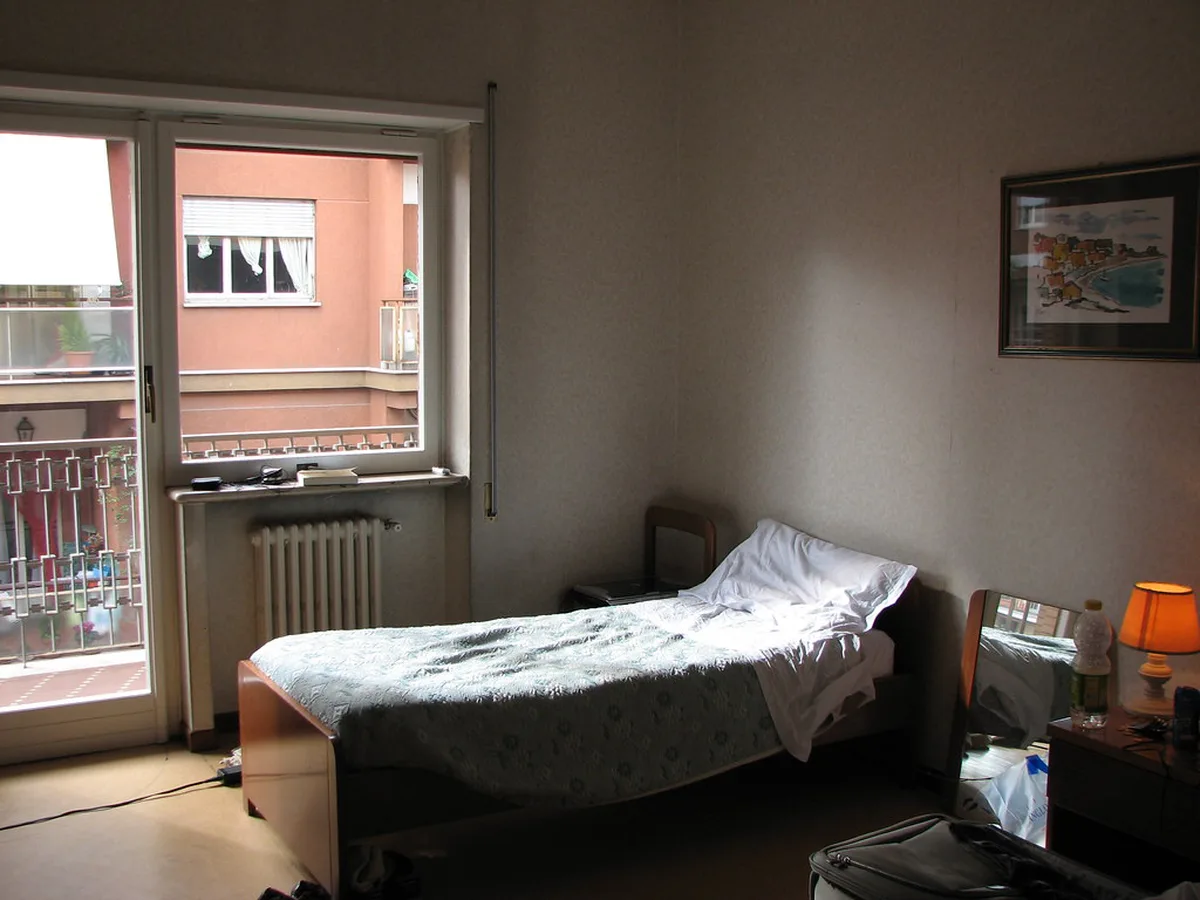
We recommend following the "20-Minute Rule" to prevent extreme fatigue during your trip. If a destination takes more than 20 minutes to reach on foot, consider taking a taxi instead. The Roman cobblestones are charming but can be very hard on your feet and joints, particularly on the basalt sampietrini stones that cover most of the historic center. Sturdy shoes with good cushioning are not optional — they are the single most important gear decision you will make for a Rome trip.
The summer heat fundamentally changes this calculation. In July and August, direct sun on stone streets can make a 15-minute walk feel like 30 minutes by midday. Plan your longest walking segments for before 10:00 and after 18:00. Rome has hundreds of public drinking fountains called nasoni, which provide free cold water across the city — use them regularly. Stopping for a break at a shaded bar or gelateria recharges you before the next section.
The neighborhoods that need the most walking recalibration are those furthest from metro stops. Trastevere, Prati, and the Jewish Ghetto are all poorly served by the metro but well-connected by tram and bus. Treat these areas as "walk within, transit to" zones: once you arrive by tram or taxi, explore on foot, but do not try to walk there from Termini or the Colosseum area in the midday heat.
Guide to Taxis, Ride-Sharing, and Private Car Apps
Official city taxis are white and always run on a meter — or a fixed rate for airport journeys. You should use designated taxi stands rather than accepting rides from drivers who approach you at tourist sites. The FreeNow app is the most practical way to call a licensed taxi to your location; it shows a price estimate upfront and lets you pay by card through the app. Stands are plentiful near Termini, Piazza Navona, Largo di Torre Argentina, and the Colosseum.
Uber operates in Rome but only offers Uber Black, which is a premium service using private hire vehicles rather than standard cabs. It is typically 20 to 40 percent more expensive than a white taxi for the same journey. Taxis are generally the better value for trips within the center, and the FreeNow app gives you the same app-based convenience without the Uber premium. For a short hop — say, from the Colosseum to Trastevere — expect to pay €8 to €12 in a white taxi.
Electric scooters and e-bikes have become a common sight across the city. Apps like Dott Rome let you rent these vehicles for quick trips. Be careful when riding on cobblestones, as the small wheels of e-scooters can get caught in gaps between stones. Always park in a designated zone to avoid a fine; the app shows valid parking areas on the map. Helmets are not provided with shared scooters, which is a genuine safety issue given Roman traffic — if you plan to ride regularly, buy or bring a helmet.
Private car transfers are worth considering on arrival and departure days, or any time you are moving with heavy luggage. A pre-booked private transfer from FCO to a central hotel typically costs €55 to €75, slightly more than the fixed-rate taxi, but the driver meets you by name at arrivals and loads the bags. The certainty is often worth the small premium on travel days when tolerance for friction is low.
Hiring a Car in Rome: When It Makes Sense and When It Does Not
Driving in Rome's center is actively discouraged for tourists and for good reason. The historic core is classified as a ZTL (Zona a Traffico Limitato) — a restricted traffic zone — where access is controlled by cameras. Driving into a ZTL without prior authorization triggers an automatic fine of €80 to €165, and many rental companies add their own administrative fee on top. Hotels inside the ZTL can sometimes register your rental plate for temporary access, but this requires coordination in advance.

A car makes genuine sense for day trips outside the city. Driving to Tivoli for the Villa d'Este and Hadrian's Villa, to the Castelli Romani hill towns, or down the Appian Way is significantly easier by car than by public transport. If you are continuing to Naples, the Amalfi Coast, or Tuscany after Rome, picking up a rental on the day you leave — rather than on arrival — lets you avoid the ZTL problem entirely while gaining the flexibility you need for the road portion of your trip. Compare rental prices via an aggregator site and aim to pick up at Fiumicino Airport rather than in the city center.
The Best Way to Get Around Rome After Dark
The Rome Metro closes at 23:30 on weekdays and at 01:30 on Friday and Saturday nights. After those hours, the city operates a network of night buses marked with an "N" prefix — the N1, N2, N3, and others follow the main metro corridors through the center. They run roughly every 30 minutes, which makes them usable for budget travelers but impractical for anyone with a tight schedule. Validate your ticket the same way as a daytime bus.
Taxis are the safest and most predictable option for late-night travel in Rome. Stands at Largo di Torre Argentina, Piazza Venezia, and Termini operate around the clock. The FreeNow app works late into the night and sends a confirmed car with a driver name and plate — significantly better than hoping a cab passes by after midnight. Expect a small late-night surcharge on the meter between 22:00 and 06:00.
Walking through the illuminated streets of the center is genuinely magical late at night. The areas around the Trevi Fountain and Pantheon are well-lit and remain busy until 01:00 or later in summer. If you only have One Day in Rome: The Ultimate 24-Hour Itinerary Guide, using taxis at night saves precious energy for daytime sightseeing. Always stay on main roads after midnight and keep valuables secured — the historic center is safe, but quieter side streets deserve the same awareness you would apply in any major city.
Arrival and Departure Day Logistics: A Different Strategy
Managing your luggage is the biggest transport challenge on your first and last days in Rome. Termini Station offers a secure left-luggage facility (Kipoint, near Track 24) open daily from 06:00 to 23:00. A bag stored there costs around €6 for the first five hours and €1 per hour after. Using this service on a late-departure day lets you explore the city without dragging heavy bags across the cobblestones.

Give yourself more time for airport departures than Rome's distance maps suggest. Traffic during the morning rush (07:30 to 09:30) can easily add 40 minutes to a taxi ride to Fiumicino. For early morning flights, the Leonardo Express running from 05:35 is often the only truly reliable option — it bypasses road traffic entirely. Check the best time to visit Rome for seasonal traffic patterns and crowd levels that affect airport transfer times throughout the year.
Arrival days are not the moment to test the bus system with heavy bags. A fixed-rate taxi or pre-booked transfer from the airport sets a calm tone for the trip and costs a predictable amount. Once settled in your hotel, you can start using public transport or walking for everything else. The taxi-in, transit-out approach works well for most visits: spend the taxi fare once on arrival and earn it back in BIT tickets and walking the rest of the week.
How to Decide Your Daily Transport Plan Without Stress
A successful trip to Rome involves mixing different modes of transport every day. Walk in the morning when energy and temperatures are at their best. Use the metro or a bus for longer crossings between neighborhoods during midday. Save taxis for the end of the day when fatigue has accumulated, or whenever the route involves more than one bus transfer. This rhythm is not about spending more money — it is about protecting the energy you need for the actual sightseeing.
Planning your sightseeing by neighborhood reduces the need for constant transit. Spend an entire morning in the Forum, Palatine Hill, and Colosseum cluster, then take a taxi or the tram to Trastevere for lunch and an afternoon wander. Grouping activities by proximity minimizes the time you spend waiting for buses or navigating connections. The city becomes significantly more manageable once you stop treating it as a single large grid and start treating it as a series of compact villages joined by short taxi rides.
The table below summarizes the trade-offs across the four main transport modes to help you make quick daily decisions.
| Ticket | Price | Validity |
|---|---|---|
| BIT Single Ticket (Bus/Metro/Tram) | €1.50 | 100 minutes from validation |
| 24-Hour Pass (ATAC) | €8.50 | 24 hours from first validation |
| 48-Hour Pass (ATAC) | €12.50 | 48 hours from first validation |
| 72-Hour Pass (ATAC) | €18.50 | 72 hours from first validation |
| Roma Pass 48-Hour (Transit + Museum) | €32 | 48 hours; includes 1 free museum + discounts |
| Roma Pass 72-Hour (Transit + Museum) | €52 | 72 hours; includes 3 free/discounted museums |
| Leonardo Express (FCO to Termini) | €14 | 32 minutes, 1 journey |
- Walking: free, slow (3–4 km/h), best for distances under 20 minutes on flat ground within one neighborhood, high sightseeing value but hard on feet and susceptible to heat.
- Metro (Lines A & B): €1.50 per journey, fast (avoids traffic), best for cross-city hops between metro-served sights, low comfort in peak hours, limited network coverage.
- Bus/Tram: €1.50 per journey, medium speed (affected by traffic and Jubilee diversions in 2026), good for Trastevere and Vatican area, use Citymapper for accurate routing.
- Official taxi: €8–€20 for most central trips, door-to-door, best for luggage days, heat, fatigue, and any time the metro does not serve your destination directly.
Frequently Asked Questions
What is the easiest way to get around Rome for first-time visitors?
The easiest way is a combination of walking and using the metro for longer distances. Most major sites are located near Metro Line A or B. For areas without metro access, using the FreeNow app to call a taxi is the most stress-free option for newcomers.
Can you walk around Rome easily as a tourist?
Yes, the historic center is very walkable and most attractions are close together. However, the uneven cobblestones and summer heat can be physically demanding. We recommend the 20-minute rule: if a walk is longer than 20 minutes, consider taking a taxi to save your energy.
Is public transport in Rome worth using for tourists?
Public transport is very affordable and useful for reaching distant sites like the Vatican or the Colosseum. The 'Tap-and-Go' system makes it easy to pay without searching for ticket machines. It is definitely worth using if you want to stay within a budget while exploring the city.
What is the best way to get around Rome at night?
Taxis are the best way to get around after the metro closes at 11:30 PM. They are safe, fast, and can be easily booked through the FreeNow app. Night buses are available for budget travelers, but they run less frequently than daytime services. Rome Nightlife Guide: 10 Best Ways to Experience the City areas are well-served by taxis.
Mastering the transport system in Rome allows you to focus on the city's incredible history. By mixing walking with the metro and taxis, you can explore every famous corner comfortably. Remember to wear comfortable shoes and use the Tap-and-Go system for the easiest experience on buses and the metro. The Eternal City is waiting for you to discover its many treasures at your own pace.
Proper planning helps you avoid the stress of navigating a busy and ancient capital. Whether you choose the speed of the metro or the charm of a slow walk through Trastevere, Rome never fails to impress. Use these tips to move through the city like a local and enjoy a seamless Italian adventure.
You might also like

Continue reading
More guides you'll find useful