10 Best Neighborhoods and Tips for Staying in Rome (2026)
Discover the best neighborhoods to stay in Rome. From the historic Centro Storico to foodie-favorite Testaccio, find the perfect area for your trip with our local guide.
On this page
10 Best Neighborhoods and Tips for Staying in Rome (2026)
Your neighborhood choice in Rome determines more than your commute — it shapes whether you wake up to church bells or nightclub noise, whether you pay €200 or €500 a night, and whether you feel like a tourist or a local. This guide covers the eight best areas to stay, plus two wild-card picks, updated for 2026. It draws on the same logic used by residents and repeat visitors: proximity to the sights you care about, honest noise and safety assessment, and price realism.
All ten neighborhoods sit inside or immediately adjacent to the historic Aurelian Walls. If you are deciding 10 Best Neighborhoods for Where to Stay in Rome for the first time, the safest move is to pick from the top four on this list (Centro Storico, Monti, Prati, or Trastevere) and filter by your budget. The remaining neighborhoods are better suited to repeat visitors or travelers with specific priorities. Before locking in your hotel, check our full list of 12 Best Things to Do in Rome to map your sightseeing priorities against the neighborhood distances below.
One practical note for 2026: Rome is operating as a Catholic Jubilee Year, which the Vatican launched in late 2024 and runs through early 2026. This brings tens of millions of pilgrims to the city, as confirmed by Rome's official tourism board, and compresses hotel availability significantly — especially in Prati and the Centro Storico — from April through October. Book at least three to four months in advance for summer dates, and budget for rates running 15 to 25 percent above normal peak-season levels.
Centro Storico: Best for First-Time Visitors and Sightseeing
The Centro Storico is the beating heart of ancient and Renaissance Rome. You can walk from the Pantheon to Piazza Navona in under ten minutes, and the Trevi Fountain is within easy reach on foot. For a first visit when you want to maximize every hour, nowhere else competes on pure proximity to landmarks. Most boutique hotels here cost €250–€500 per night, though smaller guesthouses and apartments drop to €160–€220 if you book early.
The drawbacks are real. Daytime crowds are crushing near the Trevi Fountain and Spanish Steps, and nights bring a different kind of chaos — outdoor restaurants, bachelor parties, and noise until 01:00. Narrow medieval streets mean almost no car access, which is a plus for walking but a minus if you arrive with heavy luggage. The entire neighborhood falls inside Rome's ZTL (Zona a Traffico Limitato), the automated camera-enforced restricted driving zone — if your hotel tells you to drive in, confirm a special access permit or you face fines of €100–€300 per camera passage.
Stay here if you have three days or fewer and want to walk to every major sight. Avoid if noise is a problem for you, you are traveling with young children who need early bedtimes, or your budget is under €150 per night.
Trastevere: Best for Nightlife and Medieval Charm
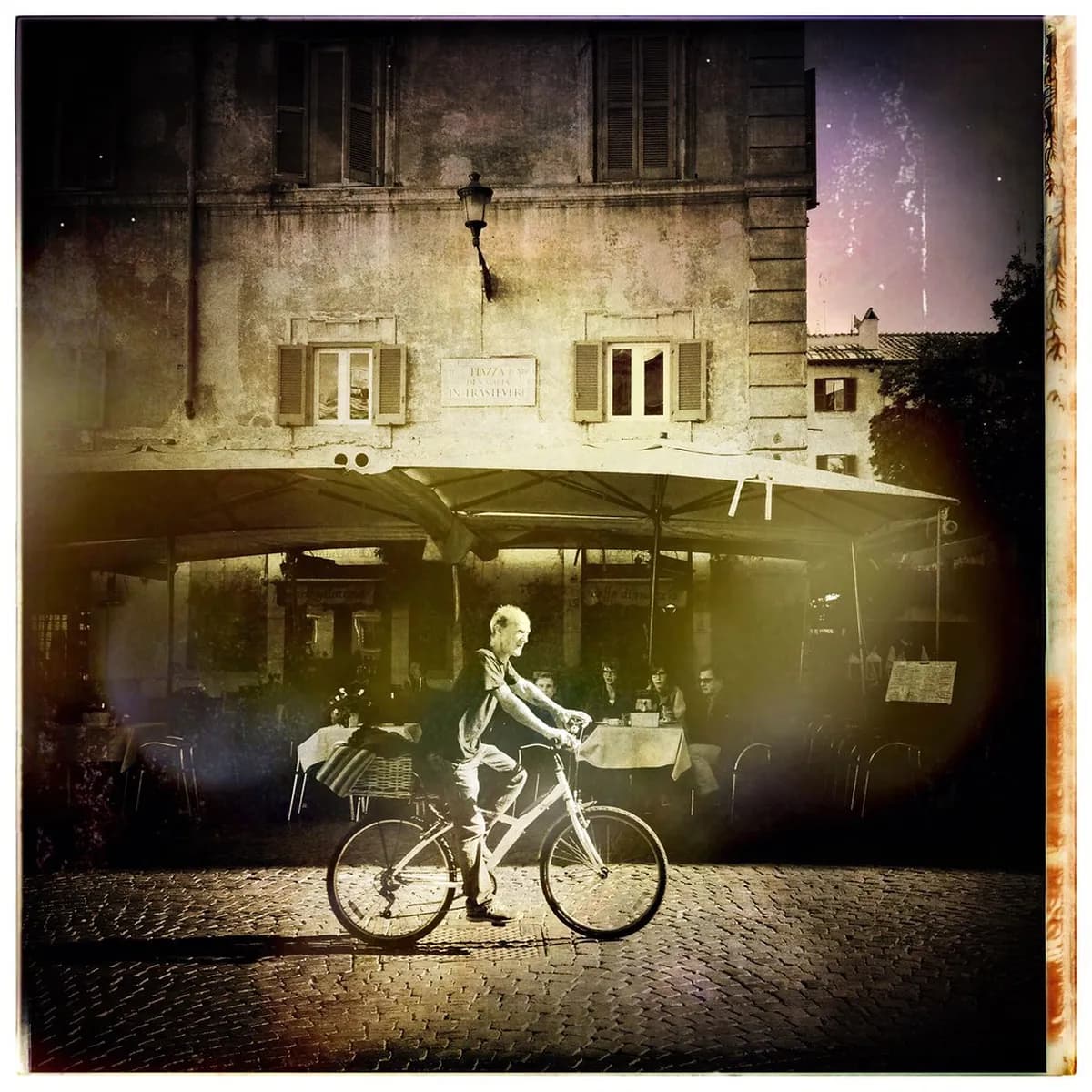
Trastevere, the 13th rione of Rome, sits on the west bank of the Tiber, about a 20-minute walk from the historic center. Its narrow cobblestone lanes, ivy-draped facades, and outdoor piazzas have made it Rome's most photographed neighborhood — and one of its loudest after dark. If evening dining, aperitivo culture, and an atmospheric setting matter more to you than proximity to ancient ruins, this is your area. Consult our Trastevere Rome Neighborhood Guide: Stay, Eat, and Explore for specific restaurant and bar picks by street.
Hotels range from €150–€320 per night for mid-range options. The neighborhood has no Metro stops — you rely on buses and trams, which are frequent but slow during Roman traffic. Older buildings mean almost no elevators, so confirm your floor level before booking if stairs are a concern. Noise is a genuine problem on the main squares (Piazza di Santa Maria in Trastevere) until at least midnight on weekends; request an interior-facing room if you are a light sleeper.
The best sub-location within Trastevere is near Ponte Sisto, which gives you walking access to both the historic center and the Vatican without needing public transit. Stay here if you are a couple, a group of friends, or a solo traveler who prioritizes food and atmosphere over landmark proximity. Avoid if you need quiet nights, have mobility limitations, or are traveling with toddlers.
Monti: Best for Hip Vibes, Boutiques, and Walkability
Monti is the neighborhood most commonly recommended by residents for first-time visitors who want character without the chaos of the historic center. It sits between the Colosseum and Termini station, occupying the site of ancient Rome's Suburra — once the city's rowdiest district, now one of its most pleasant. The Cavour Metro stop puts you one stop from Termini and four stops from the Vatican on Line A. Walk downhill five minutes and you are at the Forum of Augustus. See our Monti neighborhood Rome guide for the best streets, cafes, and vintage shops in the area.
Prices run €200–€400 per night at boutique hotels; budget rooms closer to Via Cavour fall to €130–€190. The neighborhood covers three hills — "Monti" literally means "hills" — so walking involves real inclines, which matters if you are covering ten miles a day on foot. Nightlife exists (bars around Piazza Madonna dei Monti) but wraps up earlier than Trastevere, making it a better balance for travelers who want evenings out without sacrificing sleep.
Stay here if you want the best overall balance of convenience, local atmosphere, and price. This is the right call for couples, families with older children, and solo travelers alike. Avoid if you need flat terrain or are primarily focused on the Vatican (it is a long bus or metro ride away).
Prati and Vatican: Best for Families and a Quiet Local Feel
Prati was developed in the mid-1800s on a grid plan, and it feels immediately different from medieval Rome — wide tree-lined boulevards, elegant Liberty-style buildings, and a calm that persists even at peak season. Despite sitting next to the Vatican, most of the neighborhood is genuinely local. Wealthy Roman families, expats, and UN staff fill its cafes and wine bars. The Mercato Trionfale on Via Andrea Doria (open 07:00–14:00, closed Sunday) is one of the best food markets in the city. Metro Line A has three stops here (Cipro, Ottaviano, Lepanto), and Trastevere is a 30-minute bus ride south.
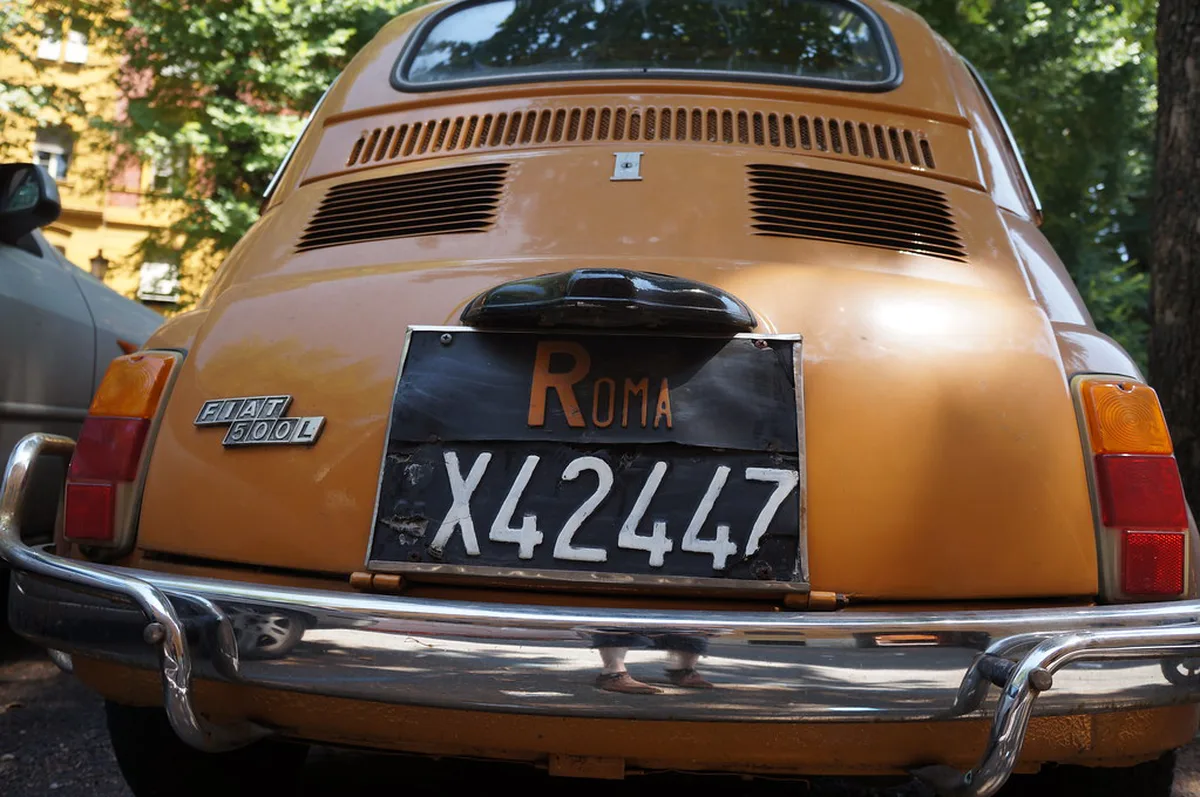
Hotel prices are moderate by central Rome standards: €180–€350 per night for quality four-star properties. The Vatican Museums are a 10-minute walk from most of the neighborhood, making early-morning entry visits — when crowds are thinnest — genuinely easy. That said, 2026 Jubilee pilgrim flows create daily congestion around St. Peter's Square from approximately 09:00 to 17:00, especially on Sundays and holy days. If you stay in Prati during the Jubilee year, plan Vatican visits on weekday mornings and avoid the blocks immediately surrounding the Basilica on weekends.
Stay here if you are traveling with young children, want quiet evenings, or are prioritizing the Vatican Museums. Avoid if you need lively nightlife, want immediate walkability to the Forum and Colosseum, or are on a tight budget.
Testaccio: Best for Food Lovers and Authentic Roman Life
Testaccio is a former working-class meatpacking district that has become Rome's most concentrated food neighborhood without losing its gritty authenticity. The Mercato di Testaccio (Via Beniamino Franklin, 00:00–14:00 daily except Sunday) is where Roman chefs shop — expect offal stalls, seasonal produce, and excellent street food at prices well below anything in the tourist center. The neighborhood's industrial heritage is visible at the Mattatoio (the former slaughterhouse, now a contemporary art space) and in the street-level aperitivo bars that feel nothing like the polished wine bars of Prati.
Accommodation here leans toward vacation rentals and small guesthouses rather than traditional hotels, with nightly rates averaging €120–€200 — the best value of any central neighborhood. The Piramide Metro stop (Line B) puts you at the Colosseum in under ten minutes. Trastevere is a short walk across the small bridge at Ponte Sublicio. Read our Rome Neighborhoods Guide: 10 Best Areas for how Testaccio compares to the other southern districts.
The trade-off is atmosphere: Testaccio lacks the visual grandeur of the centro or the medieval charm of Trastevere. Streets are functional rather than beautiful, and the neighborhood feels quiet (sometimes deserted) after 22:00 on weeknights. Stay here if you are a return visitor, a food-focused traveler, or anyone who wants a genuinely local residential feel at a lower price point. Avoid if this is your first Rome trip and you want to feel embedded in the city's historic core.
Aventino: Best for a Romantic and Peaceful Hilltop Retreat
The Aventine Hill is the quietest place to sleep in central Rome. It sits just south of the Colosseum between Testaccio and Circo Massimo, and most tourists never come here except on a specific mission. The hill's two main draws are the Giardino degli Aranci (Orange Garden) — which has one of the best sunset panoramas over the city's rooftops, best viewed from approximately 19:30 in summer — and the famous keyhole at the Priory of the Knights of Malta on Via Magistrale. Peer through the keyhole and the dome of St. Peter's Basilica aligns perfectly at the end of a manicured garden corridor. Both are free.
Upscale hotels with private gardens run €300–€550 per night. The area has almost no street life, limited dining options, and no nightlife — plan to walk down to Testaccio or take a taxi to Trastevere for evenings out. The Circo Massimo Metro stop (Line B) is at the base of the hill. Slopes are steep in places, which matters for daily commuting on foot.
Stay here if you are a couple seeking seclusion, a repeat visitor who knows the city well, or someone who needs quiet sleep above everything else. Avoid if you want a neighborhood with evening energy, you are traveling with children who need entertainment, or you need flat terrain.
Spanish Steps and Campo Marzio: Best for Luxury and High-End Shopping
Campo Marzio (Rione IV) is the luxury district most Rome guides undersell. It stretches north from the historic center, bounded by the Tiber to the west and Villa Borghese to the north. The Spanish Steps sit at its eastern edge; Via dei Condotti — Rome's equivalent of Paris's Rue du Faubourg Saint-Honoré — runs through its heart. Five-star hotels here typically exceed €600 per night, and even mid-range properties cost more than luxury options in other neighborhoods. What you buy is Metro Line A access (Spagna and Barberini stops), proximity to the Borghese Gallery (book the mandatory timed entry ticket two to three weeks in advance), and the city's best shopping.
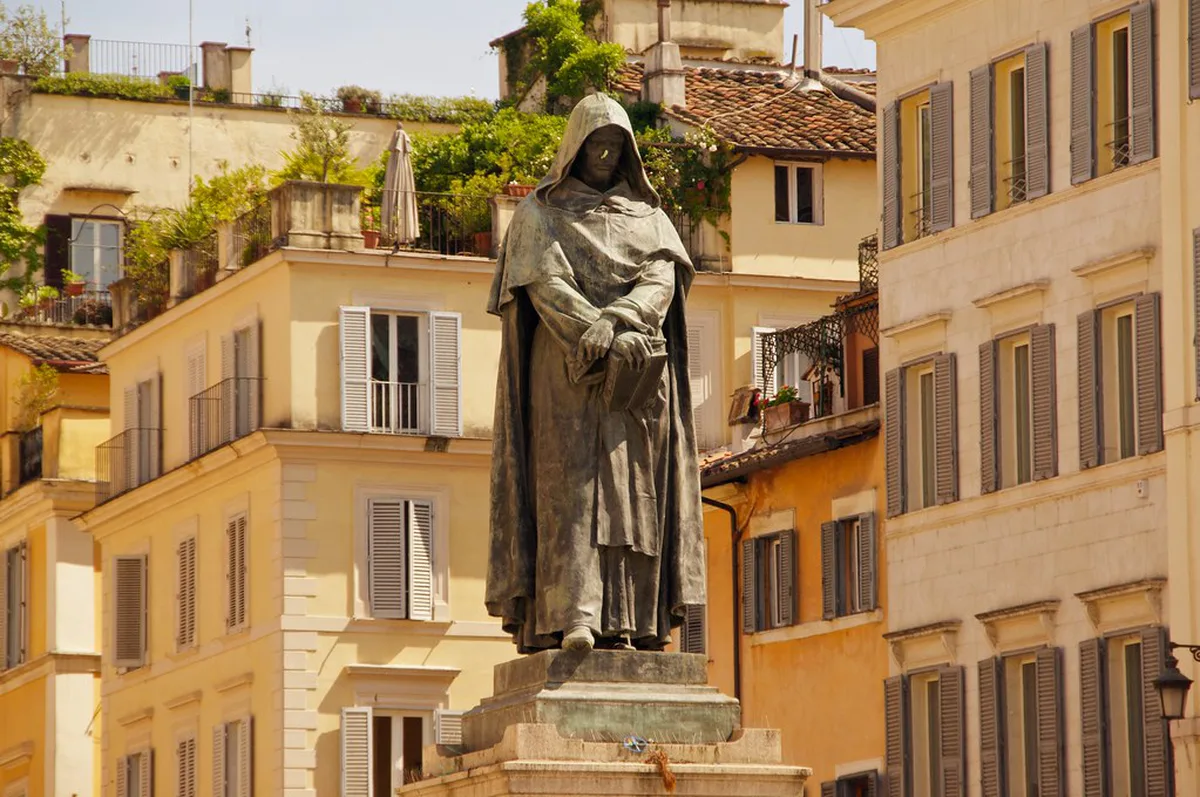
The area is lively during daytime shopping hours (shops generally open 10:00–19:30) and quieter at night than Trastevere or Monti. It works particularly well for travelers who prefer early evening dinners and plan to cover significant ground by Metro rather than on foot. Via del Corso, which runs through the neighborhood's center, connects Piazza Venezia to the north and provides fast tram access south.
Stay here if you have a higher budget, want seamless Metro access, plan heavy shopping, or are visiting the Borghese Gallery as a priority. Avoid if you are on any budget below €400 per night, you want nightlife, or you prioritize the southern sights (Colosseum, Palatine Hill) over northern ones.
Termini and Esquilino: Best for Budget Travelers and Easy Transit
Termini station is Rome's central transit hub — both Metro lines intersect here, and all major bus routes pass through. The immediate area around the station has a rough reputation, and some of it is deserved: the blocks directly east toward Piazza Vittorio Emanuele see more petty crime and street-level noise than any other central neighborhood. The more honest recommendation is to focus on the Via Nazionale side of Termini, which runs southwest toward the historic center and has a substantially better atmosphere, wider pavements, and more appealing mid-range accommodation.
Budget hotels and clean guesthouses cost €90–€170 per night here even in peak summer — the lowest prices of any central area. Chains and hostels around the station offer even lower rates. The transit advantage is real: early Fiumicino airport departures, regional train connections to Orvieto or Naples, and same-day arrival logistics all become easier from here. The Esquilino market district (Piazza Vittorio) brings genuine multicultural energy and some of the cheapest produce in the city.
Stay here if budget is the dominant factor, you have very early or late trains to catch, or your trip involves multiple destinations requiring Termini rail connections. Avoid if you are a first-timer with no other constraints — you will spend more time and money commuting to sights than you save on accommodation.
Garbatella and San Lorenzo: Wild Card Picks for Repeat Visitors
Garbatella is a 1920s garden-city development roughly 4 km south of the Colosseum, accessible by Metro Line B (Garbatella stop, nine minutes to the Colosseum). Its defining feature is its architecture: communal courtyards, planted terraces, curved arcades, and wrought-iron balconies that look nothing like the rest of Rome. The neighborhood was built by the Istituto Case Popolari as an experiment in planned working-class housing and the design is genuinely distinctive. There are no tourist sights per se, but the streets reward aimless wandering. Vacation rentals dominate here at €110–€180 per night. Local trattorias serve traditional Roman food at prices untouched by tourism.
San Lorenzo sits east of Termini near La Sapienza university and is Rome's student and alternative-culture district. Street art covers most surfaces, bars stay open until 02:00 on weekends, and hostels and budget hotels drop below €80 per night. It is loud, young-skewing, and slightly removed from the main tourist circuit — a deliberate trade-off that suits backpackers and travelers who want a gritty local scene over polished hospitality. The 71 tram runs directly to the historic center in about 20 minutes.
Garbatella is best for architecture enthusiasts, repeat visitors, and long-stay travelers who want lower costs and a genuinely residential experience. San Lorenzo is best for budget-first travelers and those who specifically want the student neighborhood energy. Neither area suits first-time Rome visitors with a sightseeing-focused agenda.
Interactive Rome Neighborhoods Map: Finding Your Way
The Tiber River is the single most useful orientation anchor in Rome. The historic center, Monti, Testaccio, Aventino, and Termini all sit on the east bank. Trastevere, Prati, and the Vatican sit on the west bank. Garbatella and San Lorenzo are further east and south of the Aurelian Walls. Most landmarks cluster within a three-mile radius of the Pantheon, though the hills make walking distances feel longer. A Location map of Rome illustrates these geographic relationships clearly.
The city is officially divided into 22 historical Rioni districts — each with their own symbols, often visible carved into building facades or on street signs. Monti is Rione I, the oldest. Understanding which Rione you are in helps with address lookups and navigation apps, which frequently reference Rione names in addition to street addresses. Crossing from one Rione to another can shift noise levels, prices, and building age dramatically within a few blocks.
Rome's Metro system has only two lines (A and B) that intersect at Termini, forming a rough 'X' shape across the city. Coverage outside the center is limited by underground archaeology — tunneling in Rome requires stopping to excavate every time workers hit a ruin, which is often. Buses and trams fill most gaps but are subject to Rome's unreliable traffic. Always validate your ticket immediately upon boarding to avoid fines of €100 or more from plain-clothes transit inspectors.
Expert Tips for Choosing Your Rome Accommodation
| Neighborhood | Best for | Price Range (€/night) | Notes |
|---|---|---|---|
| Centro Storico | First-time visitors, sightseeing | €160–€500 | Walking distance to Pantheon and Trevi Fountain; noise until 01:00; high crowds near landmarks |
| Monti | Best balance, families, solo travelers | €130–€400 | One stop from Termini; character without chaos; hilltop terrain |
| Prati & Vatican | Families, quiet, Vatican access | €180–€350 | 10-minute walk to Vatican Museums; upscale, calm neighborhoods; no nightlife |
| Trastevere | Couples, nightlife, food lovers | €150–€320 | Medieval charm, no Metro; loud until midnight on weekends; best near Ponte Sisto |
| Testaccio | Return visitors, food-focused, budget | €120–€200 | Best market in Rome; authentic local feel; low tourism footprint; quiet after 22:00 |
| Aventino | Romantic, peaceful, couples | €300–€550 | Quietest central area; Orange Garden sunset views; no nightlife; steep slopes |
| Termini & Esquilino | Budget travelers, early trains | €90–€170 | Cheapest rates; transit hub; Via Nazionale side safer than station side |
The ZTL (Zona a Traffico Limitato) is the biggest practical trap for first-time visitors arriving by rental car. Cameras monitor every entry point of the historic center 06:30–18:00 on weekdays and 14:00–18:00 on Saturdays, with fines of €100–€300 per camera passage billed automatically to the rental agency and passed on to you weeks later. Some hotels inside the ZTL have special access permits — confirm this explicitly in writing before you drive in. If your hotel cannot provide a permit number, park outside the zone and take a taxi or public transit for the final leg.
Weekday hotel rates (Sunday night through Thursday) run 20–30 percent lower than weekend rates in the same property. By choosing to stay mid-week, you can afford neighborhoods with better character and proximity to sights while saving money.
Every visitor pays the Soggiorno, the mandatory tourist tax collected per person per night. Rates in 2026 range from €4 per person per night at one-star properties to €10 at five-star hotels. Most smaller guesthouses, B&Bs, and vacation rentals require this in cash at checkout. Keep €30–€50 in Euro cash accessible specifically for this — credit card payment is rarely accepted for the Soggiorno, and the amount is not included in the booking platform total.
For hotel versus rental debates: hotels offer 24-hour reception, daily cleaning, and storage for late checkouts; rentals provide kitchen access, more space, and a more residential feel but require scheduled key handovers. In older buildings throughout all central neighborhoods, elevators are tiny (often only one person with a bag), non-existent, or reserved for residents — ask about the exact floor and stair count before booking. Air conditioning is essential from June through August; confirm it is available and functional rather than just listed in the amenities.
October and early November offer the best combination of mild weather, lower prices (30–40 percent below July peak rates), and smaller crowds. This is when residents actually enjoy their own neighborhoods without Jubilee-year congestion.
On booking timing: 2026 is an unusually high-demand year due to the Catholic Jubilee. For any stay between April and October, book at least 12 weeks in advance. Weekday rates (Sunday night through Thursday) run 20–30 percent lower than weekend rates in the same property. October and early November offer the best combination of mild weather and lower prices — typically 30 to 40 percent below July peak rates.
Frequently Asked Questions
What is the safest neighborhood to stay in Rome?
Prati and the Aventino are widely considered the safest areas due to their residential nature and well-lit streets. These upscale districts have lower foot traffic and a strong local police presence near the Vatican. Always remain aware of your surroundings in crowded transit hubs like Termini.
Which area is best for a first-time visitor?
The Centro Storico is the best choice for first-timers because it puts you within walking distance of the Pantheon and Trevi Fountain. This area minimizes travel time and maximizes your exposure to iconic Roman architecture. Most major landmarks are easily accessible from this central hub.
Is it better to stay near the train station or the center?
Stay near the center for charm and sightseeing, but choose Termini if you have early trains or a tight budget. The center offers a more authentic atmosphere, while the station provides unmatched transit convenience. Your choice should depend on whether you prioritize aesthetics or logistics.
Selecting the right neighborhood in Rome is the foundation of a successful and memorable Italian vacation. Whether you choose the historic grandeur of the center or the culinary delights of Testaccio, each area offers something special. Remember to book your accommodation early for 2026 to secure the best rates and the most convenient locations.
Rome is a city that rewards those who take the time to understand its complex and beautiful layout. We hope this guide helps you find a base that feels like a true home away from home during your stay. Safe travels as you prepare to explore the timeless streets of the Eternal City.
You might also like
Continue reading
More guides you'll find useful