
20 Best Foods to Eat in Rome: The Ultimate Local Guide (2026)
Discover what to eat in Rome with our guide to 20 essential dishes, from creamy Carbonara to crispy Supplì. Learn local dining etiquette and avoid tourist traps.
On this page
20 Best Foods to Eat in Rome
After five visits to the Eternal City, I have realized that the best way to understand Rome is through its stomach. The city recently earned global recognition by claiming top spot as a premier food destination. Eating here is a ritual that requires knowing the right seasons and the specific neighborhoods where traditions remain sacred.
Updated for 2026, this guide ensures you avoid the bland tourist traps near the Pantheon. You will find everything from the four legendary pasta dishes to the crispy street snacks that locals grab on the go. Consult our 12 Best Restaurants in Rome guide to find vetted spots for each dish below.
Roman Breakfast (Colazione)
The Roman morning begins with a swift, caffeinated jolt at a crowded marble bar. Locals rarely sit down for breakfast, preferring to stand while sipping an espresso or a creamy cappuccino. Ordering a cornetto — the Italian cousin of the croissant, often filled with jam, pastry cream, or pistachio — is the standard accompaniment to your morning coffee.
Expect to pay about €2 to €4 for a standard coffee and pastry pairing at the bar counter. Prices often double or triple if you choose to sit at a table in a high-traffic piazza. Be careful to order your milk-based coffees before 11:00 AM if you want to blend in with the residents — Romans believe hot milk after a large meal interferes with digestion.
Do not miss the maritozzo for a more indulgent start. This soft, leavened bun is sliced open and stuffed with a generous mound of sweetened whipped cream. Most pasticcerie sell out by noon, so arrive before 10:00 AM to guarantee a fresh one. Grab plenty of napkins — the cream is piled high and will end up on your nose.
Roman Street Food (Cibo di Strada)
Street food in Rome is cheap, fast, and often better than what you will find in a sit-down restaurant near the major monuments. The two essentials are supplì and pizza al taglio, but the scene has expanded well beyond these classics.
Supplì al Telefono are fried rice croquettes stuffed with mozzarella and tomato meat ragù, named for the phone-wire cheese pull when you bite in. They are the cheapest snack in Rome, costing €1.50 to €3.00 at any pizza shop or dedicated supplì counter. Always eat them piping hot — a lukewarm supplì with solid mozzarella is a disappointment.
Pizza al taglio is Rome's ultimate fast food, baked in long rectangular trays and sold by weight rather than by the slice. Point to the size you want and use your hands to show the width before the staff cuts it. A quick lunch runs €4 to €8 depending on toppings. Food Box at Testaccio Market is one of the best all-in-one stops for street food, serving pizza, supplì, and filetti di baccalà under one roof.
The trapizzino is a more recent addition from 2008 — a triangular pocket of pizza dough stuffed with classic Roman stews like chicken cacciatore or meatballs in tomato sauce. Each pocket costs about €5 and is sold at dedicated shops in Testaccio, Trastevere, and near the Vatican. Filetti di baccalà — large salt cod fillets dipped in a thick batter and deep-fried — round out the street food canon. The most famous spot near Campo de' Fiori (Dar Filettaro) opens at 17:00 and closes around 22:30, shut on Sundays.
The Four Roman Pasta Dishes — and How They Evolved
The four great Roman pastas — Gricia, Carbonara, Amatriciana, and Cacio e Pepe — are not four separate inventions. They are a family tree, each one built by adding a single ingredient to a simpler ancestor. Understanding this logic makes you a more confident orderer and a better cook. The progression looks like this: Gricia (guanciale + pecorino + pepper) is the root. Add egg yolks and you get Carbonara. Add tomato instead and you get Amatriciana. Strip out the guanciale and lean into the cheese and pepper alone and you get Cacio e Pepe.
This cheat-sheet matters because it exposes the one rule that applies across all four dishes: no cream, no butter, no garlic, no onions. Any restaurant that adds these is not serving authentic Roman pasta. Prices across all four range from €10 to €18 at traditional trattorias, with Testaccio and Trastevere offering the most reliable versions.
The four Roman pastas form a flavor family tree: Gricia (guanciale + pecorino + pepper) is the root. Add egg yolks and you get Carbonara. Add tomato instead and you get Amatriciana. Strip out the guanciale and lean into cheese and pepper alone and you get Cacio e Pepe. Any version with cream, butter, garlic, or onions is not authentic — this single rule unites all four dishes.
Pasta alla Carbonara
Carbonara uses exactly four ingredients: guanciale (cured pork cheek), pecorino romano, raw egg yolks, and black pepper. As the hot pasta hits the bowl, the rendered pork fat, sharp cheese, and silky yolk emulsify into a glossy, velvety sauce. No cream, ever. Expect to pay €12 to €18 per plate at a traditional trattoria.
Look for a deep yellow color from the eggs — a pale white sauce signals cream, which locals consider an insult to the dish. Most kitchens serve Carbonara from 12:30 to 15:00 and again from 19:30. Flavio al Velavevodetto in Testaccio, built into a man-made hill of ancient pottery shards, is one of the most atmospheric places in the city to eat it.
Pasta all'Amatriciana
Amatriciana adds tangy tomato and a pinch of chili flakes to the classic guanciale and pecorino base. It originated in the hilltop town of Amatrice, about 150 km northeast of Rome, and arrived in the capital when survivors of a 16th-century Spanish attack brought tomato-cooking habits back with them. Avoid any version that calls for onions, garlic, olive oil, or pancetta — unnecessary additions that dilute the point.
Traditional spots serve this with thick bucatini noodles and charge €11 to €16. Wear a dark shirt: the bucatini are notorious for splashing red sauce as you twirl them. Sunday lunch is when Amatriciana is most revered in Roman households, making weekend afternoons the ideal time to order it.
Cacio e Pepe
Cacio e Pepe is minimalist brilliance — just sharp pecorino romano and toasted black pepper, emulsified with starchy pasta water into a coating sauce. It has taken the world by storm: it appeared on 48% more US menus by 2022 than it did four years earlier. In Rome, the best version uses tonnarelli, a thick square-cut local noodle, rather than the smooth spaghetti you will find abroad.
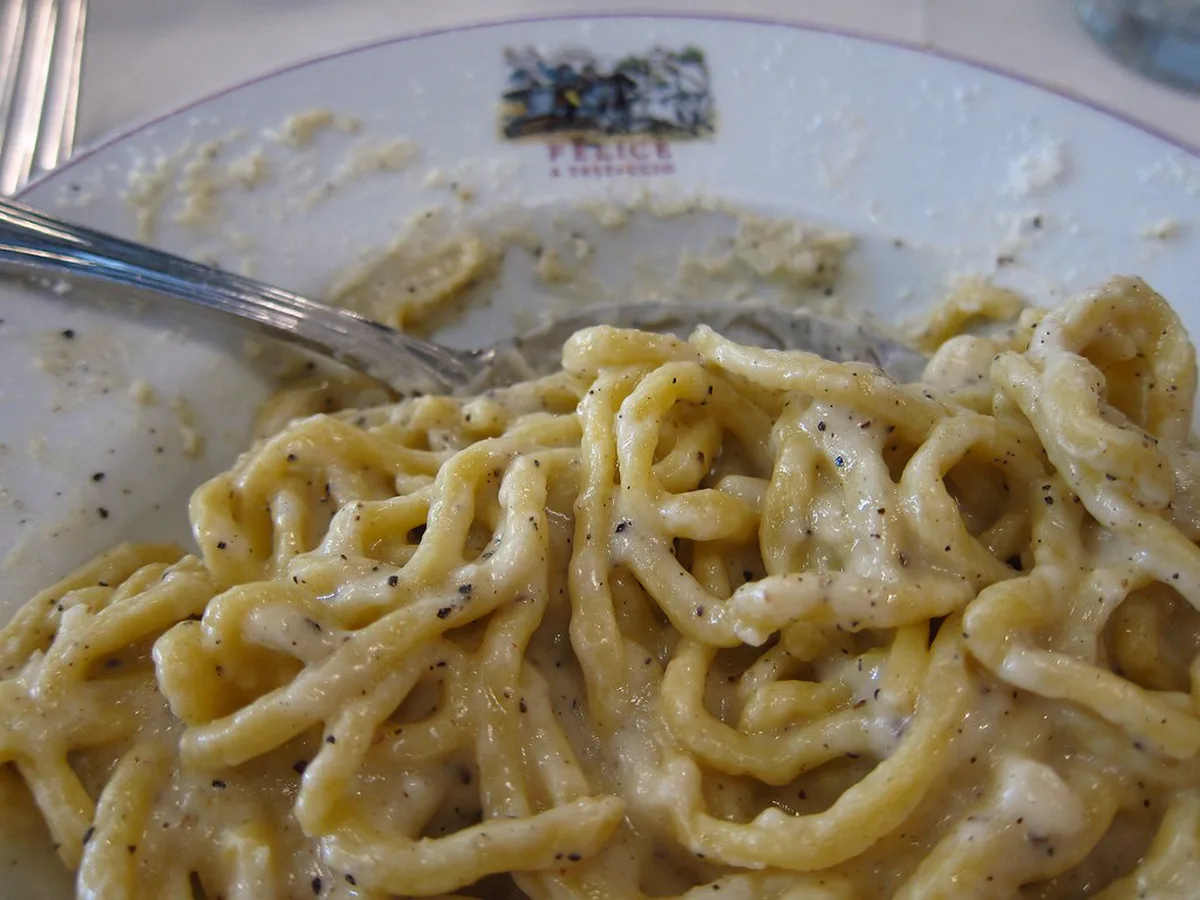
A bowl costs roughly €10 to €15. Kitchens prepare it fresh to order because the cheese will clump into a rubbery mass if it sits. The dish is deceptively hard to make well — the key is a slow, circular motion with the pasta as you add the cheese, never letting the temperature spike. Do not add butter; no authentic Roman recipe requires it.
Pasta alla Gricia
Gricia is the historical ancestor of the other three Roman pastas, predating them all with a recipe of just guanciale, pecorino romano, and black pepper. Romans have a deep affection for it precisely because it keeps things simple and ingredient-forward. Ask a local which pasta they eat most at home and many will say Gricia rather than the more famous Carbonara.
Prices range from €11 to €17, and here is an excellent recipe if you want to try it at home. The secret is the rendered fat from the pork jowl, which should be crispy and translucent rather than chewy. Da Bucatino in Testaccio does a notable version with artichokes (gricia con carciofi) during the spring season.
Carciofi: The Seasonal Artichoke Calendar
Artichokes are the reigning vegetable of Rome, foraged in the Lazian countryside since ancient times and elevated into two distinct preparations. The Romanesco variety — less thorny and without the pesky choke — is the one to look for. Both preparations rely on fresh, local product: if you order either version in summer, you are almost certainly eating imported or frozen artichokes from the previous season.
Carciofi alla Giudia are the Jewish Ghetto's signature dish: whole artichokes are flattened and deep-fried until the leaves are as crispy as potato chips. They appear on menus from February through early May and cost €5 to €8 each. Eat the leaves like chips first, then work your way to the tender, buttery heart. Nonna Betta and Ristorante Piperno in the Ghetto are the benchmark addresses.
Carciofi alla Romana are braised with garlic, mint, and parsley until incredibly soft and fragrant. They are served as a contorno (side dish) for €5 to €7 and are best from December through April. The mint adds a cooling contrast to the rich olive oil that makes this version a perfect palate cleanser between courses. If you see neither preparation on a menu before February or after May, skip the artichoke entirely and order seasonal chicory instead.
Artichokes are intensely seasonal in Rome. Carciofi alla Giudia (deep-fried whole, Jewish Ghetto style) peak February through early May. Carciofi alla Romana (braised with mint) are best December through April. If you visit in summer, imported or frozen artichokes from the previous season will be the only option — skip them and order fresh seasonal chicory instead.
Roman Pizza: Al Taglio vs Tonda
Roman pizza divides into two entirely different eating experiences, and knowing which to choose depends entirely on your schedule. Pizza al taglio (by the slice) is a daytime food — shops open around 11:00 and close by 21:00. You point, they cut, you pay by weight. It is the right choice for a sightseeing day when you need fuel without losing an hour at a table.
Pizza tonda (round Roman pizza) is strictly an evening affair. The wood-fired ovens take hours to reach the right temperature, so pizzerias typically open no earlier than 19:30. The base is paper-thin and cracker-like, shatters when you bite it, and never sags at the center the way a Neapolitan pizza does. A whole pizza costs €8 to €14 and Romans order one per person — sharing is not standard practice. Do not arrive expecting to split a pizza with a travel companion; order your own.
| Dish | What it is | Notes |
|---|---|---|
| Carbonara | Pasta with guanciale (cured pork cheek), pecorino romano, raw egg yolks, and black pepper | €12–€18. Look for deep yellow color from eggs, never cream. Served 12:30–15:00 and 19:30 onward. |
| Cacio e Pepe | Pecorino romano and toasted black pepper emulsified with pasta water | €10–€15. Best with tonnarelli noodles. Made fresh to order to prevent clumping. |
| Amatriciana | Guanciale, pecorino, and tangy tomato with chili flakes | €11–€16. Traditional with thick bucatini. Popular on Sunday lunch; best in winter. |
| Gricia | Guanciale, pecorino romano, and black pepper—the ancestor of the other three pastas | €11–€17. Local favorite; many Romans eat this at home more than Carbonara. |
| Carciofi alla Giudia | Whole artichokes flattened and deep-fried until leaves are crispy | €5–€8. Jewish Ghetto signature. February–early May. Eat leaves like chips, then the tender heart. |
| Carciofi alla Romana | Braised artichokes with garlic, mint, and parsley | €5–€7 as a side dish. December–April. Mint cuts the richness and acts as a palate cleanser. |
| Supplì al Telefono | Fried rice croquettes stuffed with mozzarella and tomato meat ragù | €1.50–€3.00. Named for cheese pull when bitten. Always eat piping hot. |
| Coda alla Vaccinara | Slow-cooked oxtail braised with tomato, celery, wine, cloves, and cocoa powder | €15–€20. Meat falls off the bone. Requires hours of simmering; dinner or Sunday lunch. |
| Abbacchio alla Scottadito | Suckling lamb chops charred on high heat, served immediately, eaten with hands | €18–€25. Popular spring/Easter. Tiny chops, pink inside, charred outside. |
| Trippa alla Romana | Cow's stomach braised in rich tomato sauce with fresh mint and pecorino | €12–€16. Traditionally a Saturday dish. Most approachable offal for travelers due to dominant tomato sauce. |
| Saltimbocca alla Romana | Thin veal cutlets topped with prosciutto and sage leaf, sautéed in butter and white wine | €16–€22. Name means "jumps in the mouth." Lighter than pasta; available lunch and dinner. |
| Gelato (artisanal) | Dense Italian ice cream with natural ingredient colors | €3–€5 for small cup with two flavors. Look for deep metal containers (pozzetti), muted colors, metal spatula. |
Saltimbocca alla Romana
Thin veal cutlets are topped with salty prosciutto crudo and a half-sage leaf — a whole one would be too overpowering — then sautéed quickly in butter and white wine. The name translates to "jumps in the mouth" because the flavors hit immediately. This is one of Rome's most beloved secondi and one of the easier dishes to find in traditional trattorias.
A serving costs €16 to €22 and is available at both lunch and dinner. Armando al Pantheon, one of the very few trustworthy restaurants near a major monument, serves a particularly well-balanced version that has remained consistent for decades. If you are avoiding heavy pasta dishes, this is the ideal entry point into Roman meat cookery.
Quinto Quarto: The Fifth Quarter
Roman cuisine is deeply rooted in the Quinto Quarto tradition — the "fifth quarter" of the animal. Historically, the wealthy took the prime cuts, leaving offal and extremities for the working-class slaughterhouse employees of Testaccio. Those workers transformed hearts, lungs, kidneys, and tails into the rich, flavorful stews that are now considered the true soul of the city's cooking.

The Testaccio neighborhood was the epicenter of this movement. The municipal slaughterhouse operated there for decades and its shadow still defines the local menu. Many of these recipes use heavy spices, tomatoes, and pecorino to enhance the textures of the organ meats — the same four-ingredient logic that governs the pasta dishes applies here.
Trying these dishes is a rite of passage for any serious food lover. While the idea of eating tripe might seem daunting, the tomato and pecorino sauce makes it incredibly approachable. Most locals consider these preparations the true soul of Roman cooking, far more representative of the city than a simple plate of pasta.
Coda alla Vaccinara (Oxtail Stew)
This slow-cooked oxtail stew is Rome's great braised masterpiece. The oxtail simmers for hours with tomato, celery, wine, cloves, and a touch of bitter cocoa powder, transforming humble ingredients into something deeply comforting and complex. The name translates to "oxtail, tanner style" — it is said to have been invented by leather workers in the 17th century who received the cheap cuts as payment.
A portion costs €15 to €20 and the meat should fall off the bone with a gentle nudge. Because it requires hours of simmering, it is most commonly available for dinner or Sunday afternoon lunch. Checchino dal 1887 in Testaccio has been cooking coda for more than a century and remains the benchmark address in the city.
Abbacchio alla Scottadito (Grilled Lamb Chops)
Abbacchio is Roman dialect for suckling lamb — slaughtered before it reaches 7 kilos, which makes it sweeter and less gamey than most lamb you will find elsewhere. Alla scottadito means "burns your fingers," and these tiny chops are served immediately off a very high heat, charred on the outside and pink within. You are supposed to eat them with your hands.
Expect to pay €18 to €25 for a platter. This dish is especially popular during the Easter season and spring months when the youngest lambs are available, though good trattorias carry it year-round. Most restaurants serve it for dinner, often with roasted potatoes or seasonal wild chicory. Cesare al Casaletto and Trattoria Da Enzo al 29 are two consistent addresses.
Trippa alla Romana
Tripe is traditionally a Saturday dish in Rome — locals eat it at home and in trattorias on that day, though many places now serve it daily. The cow's stomach is boiled, then stewed in a rich tomato sauce flavored with fresh mint and finished with a heavy dusting of pecorino romano. The mint is the essential ingredient: it cuts the richness of the tripe in a way that no other herb can replicate.
A bowl costs €12 to €16 and is found in old-school eateries that specialize in the quinto quarto tradition. For the skeptical traveler, this is the most approachable offal dish in the Roman repertoire because the tomato sauce completely dominates the flavor. Piatto Romano in Testaccio consistently delivers one of the best versions in the city.
Torta alle Visciole e Ricotta
This Roman-Jewish tart features a layer of sweetened sheep's milk ricotta hidden beneath a thick jam of sour visciole cherries, encased in double-layered shortcrust pastry. The double pastry layer has a specific historical origin: in the 18th century, a papal decree banned the Jewish community from selling cheese and dairy products. The community began hiding the ricotta under a top sheet of dough so the tart could be sold without scrutiny. The slightly burnt top crust is a traditional feature, not an accident.
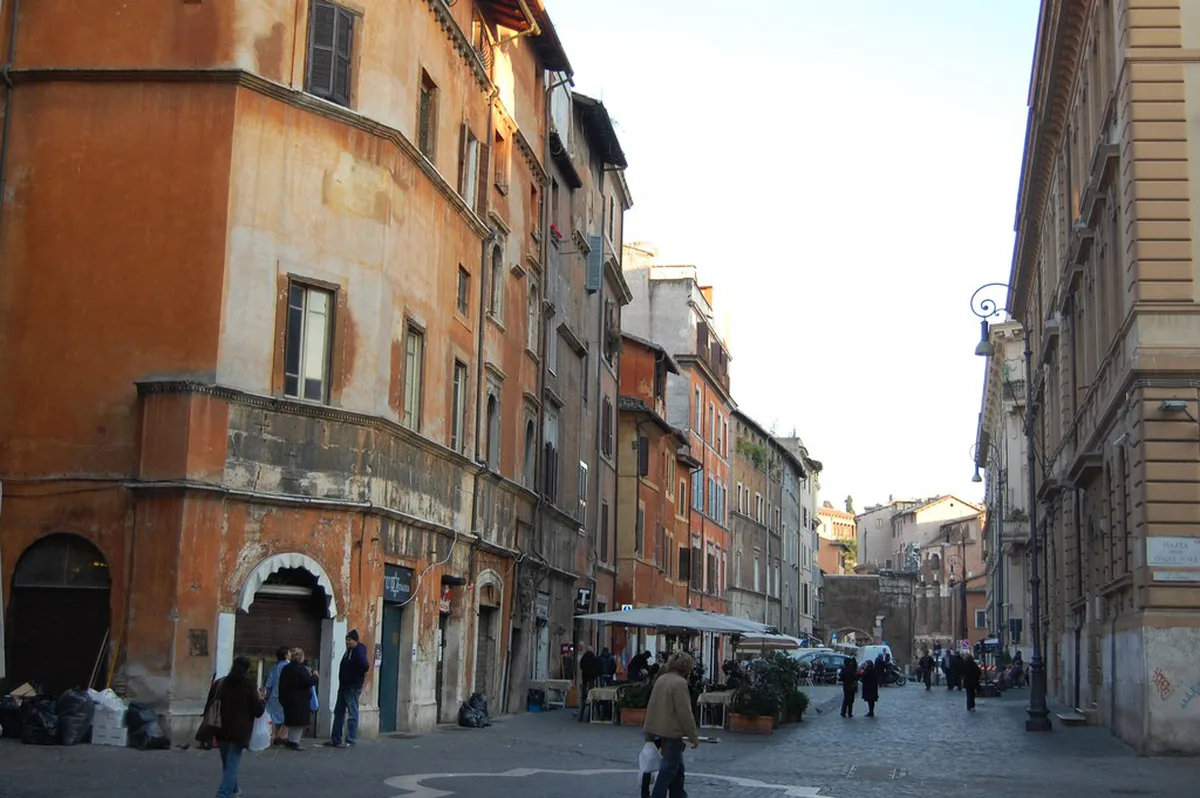
A slice costs €4 to €6 and is the signature dessert of the historic Jewish bakeries in the Ghetto. Pasticceria Boccione on Via del Portico d'Ottavia is the most famous address. The bakeries open at 08:00 and sell out of their most popular tarts by mid-afternoon, so go before lunch if this is a priority.
Roman Gelato: How to Spot the Real Thing
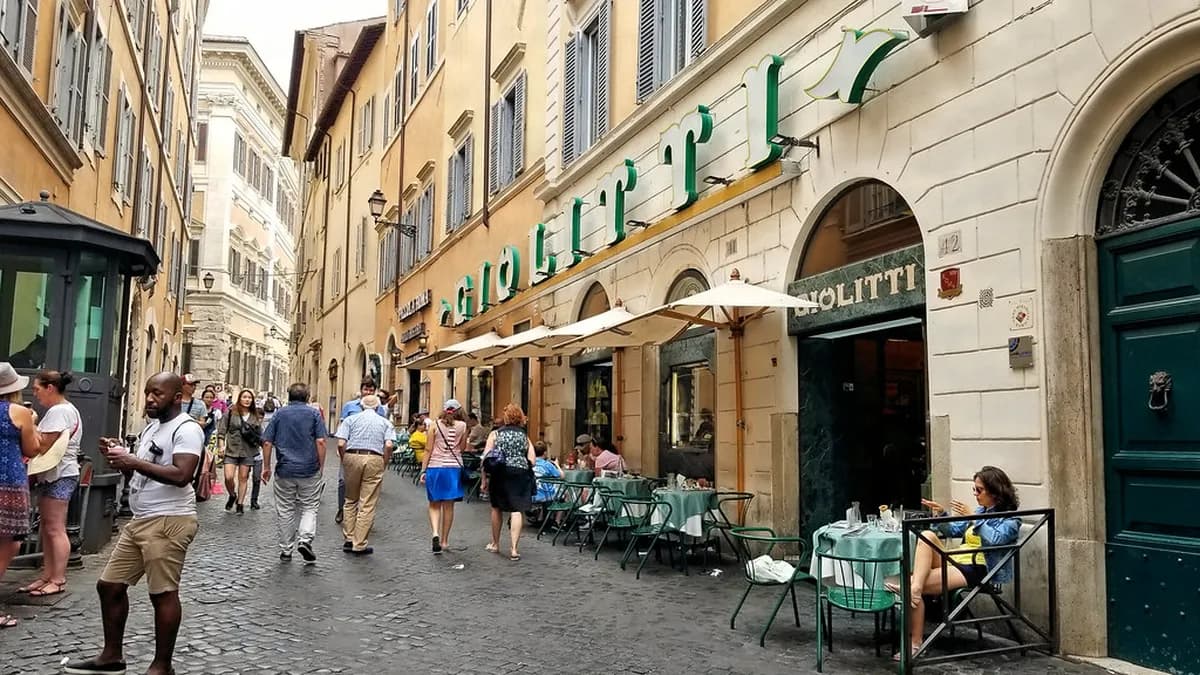
Walking through the city center, you will see many shops displaying mountains of brightly colored gelato piled high in the windows. This is a major red flag. Real artisanal gelato is dense and would collapse under its own weight if piled. Look instead for shops that store their product in deep metal containers with lids (pozzetti) to maintain temperature — this is the single most reliable visual cue.
The colors should also reflect the natural hues of the ingredients. Pistachio should be a muted brownish-green rather than neon. Banana should be a soft off-white instead of bright yellow. Strawberry should be a deep reddish-pink, not electric red. If the fruit flavors look like they came from a crayon box, they are likely packed with artificial dyes and powders. A second cue: if the shop uses flavoring pastes from industrial tubs stored on the counter, the gelato is not artisanal regardless of what the sign says.
A small cup or cone with two flavors costs €3 to €5 at the best gelato shops in Rome. Gelaterias open from noon and many stay open past midnight during summer months. Avoid shops that give you a flat plastic spoon — an artisanal shop will use a small metal spatula. A third cue: a long ingredient list posted on the wall is a good sign; no ingredient list at all is a warning.
Porchetta and More Roman Market Food
Porchetta is a boneless pork roast stuffed with garlic, rosemary, and fennel, then slow-roasted until the skin is crackling and the fat rendered through every layer. A sandwich costs €6 to €9 and is a common sight at street stalls and local markets. While available year-round, it is a staple of outdoor festivals and weekend trips to the nearby Castelli Romani where it originated.
Ask for a piece with extra crosta (crackling) to get the best textural contrast. Fiori di zucca — zucchini blossoms stuffed with mozzarella and a small anchovy, then battered and fried — are a seasonal summer delicacy costing €3 to €5 each. The anchovy provides a hidden salty punch that balances the mild mozzarella inside the delicate flower. Most pizzerias serve them as a starter during dinner.
The Roman Aperitivo and Spritz Culture
The aperitivo is not just a drink — it is a pre-dinner ritual with a specific time window: 18:30 to 20:30. Showing up before or after this window reads as either tourist or late. During this hour, you order a Spritz or a Negroni, receive a small plate of snacks, and take your time transitioning from the working day into the evening. In Trastevere, the piazzas come alive during this golden hour with both locals and visitors.
The Spritz family has an internal hierarchy worth knowing before you order. Aperol Spritz is the lightest and sweetest, popular with first-timers and widely available everywhere. Campari Spritz is bitterer and more complex — the choice of most Roman regulars who want something with more backbone. Select Spritz, made with a Venetian bitter liqueur, is harder to find in Rome but increasingly visible on aperitivo menus in 2026 as the cocktail bar scene matures. A Negroni (gin, sweet vermouth, Campari) signals you are there for the flavor rather than the ritual.
All of these cost €7 to €12 depending on the neighborhood. Avoid the cheapest bars in the highest-footfall piazzas — the Spritz markup near the Pantheon or Piazza Navona can reach €15 for a mediocre pour. Walk two streets back from any major monument and prices drop immediately.
Eat Like a Local: Timing and Etiquette
Dining in Rome follows a strict schedule that can frustrate travelers used to eating at any hour. Lunch runs from 12:30 to 14:30, after which many kitchens close until the evening service. Dinner rarely starts before 19:30, and most locals do not sit down until at least 20:30. Arriving at a trattoria at 18:00 expecting dinner will get you a polite refusal.
Avoid the Menu Turistico boards with faded photos that sit outside restaurants near major monuments. These spots often serve frozen pasta and subpar ingredients to unsuspecting travelers. Instead, look for handwritten menus in Italian and check our guide on 10 Best Places to Eat in Rome for vetted spots. A crowded restaurant with no English-only signage is almost always a better indicator of quality than a TripAdvisor sticker in the window.
The coperto — a cover charge of €1.50 to €3.50 per person — is not a scam. It is a standard Italian practice covering bread and table service, and it will appear on your bill at nearly every traditional trattoria. Tipping is not mandatory, as service is factored into the coperto, but rounding up by a few euros for exceptional service is always appreciated.
Frequently Asked Questions
What is the most famous pasta dish in Rome?
Pasta alla Carbonara is arguably the most famous dish in the city. It features a rich sauce made from eggs, pecorino cheese, and crispy guanciale. You should always look for versions that avoid using cream to ensure authenticity.
Can I find vegetarian food in Rome?
Yes, Rome offers many excellent vegetarian options like Cacio e Pepe or fried artichokes. Many side dishes, or 'contorni,' feature fresh seasonal vegetables like chicory or roasted potatoes. Just double-check that pasta sauces do not contain guanciale.
Is tipping expected at restaurants in Rome?
Tipping is not mandatory in Italy, as a service charge is often included in the 'coperto' or cover charge. However, leaving a few extra euros for exceptional service is always appreciated by the staff. It is more common to round up the bill.
Eating your way through Rome is a journey through history, from ancient Jewish traditions to the working-class roots of the Testaccio slaughterhouse. By following the local timing, reading the seasonal cues, and seeking out the right neighborhoods, you will experience the city's flavors as they were meant to be tasted. Whether you are grabbing a quick supplì or lingering over a plate of oxtail, every bite tells a story of this ancient capital.
Remember to stay flexible and explore the quieter side streets where the best trattorias are often hidden away. For more planning help, check out our 12 Best Things to Do in Rome guide to fit all these meals into a logical itinerary. Buon appetito, and enjoy every moment of your culinary adventure in the heart of Italy.
You might also like
Continue reading
More guides you'll find useful