8 Essential Things to Know About the Monti Neighborhood in Rome
Discover the Monti neighborhood in Rome with our guide to Rione Monti. Explore the best things to do, vintage shopping, top restaurants, and where to stay.
On this page
8 Essential Things to Know About the Monti Neighborhood in Rome
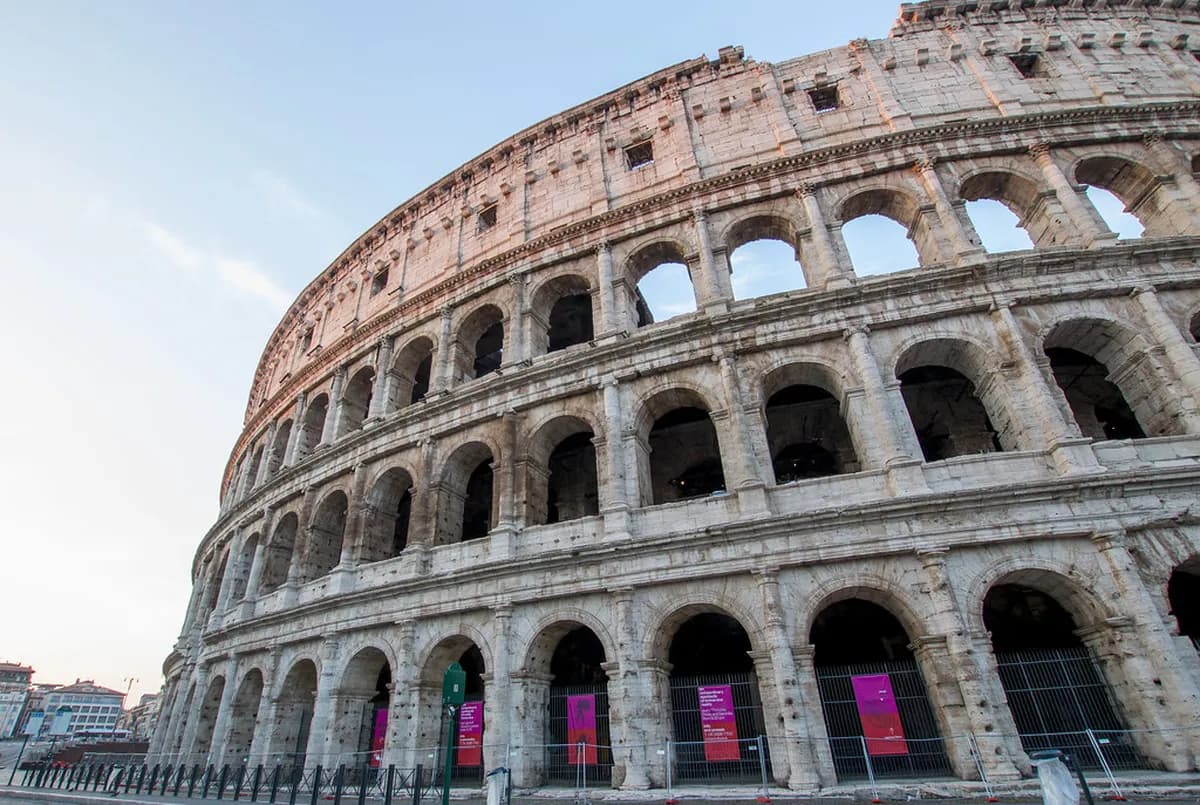
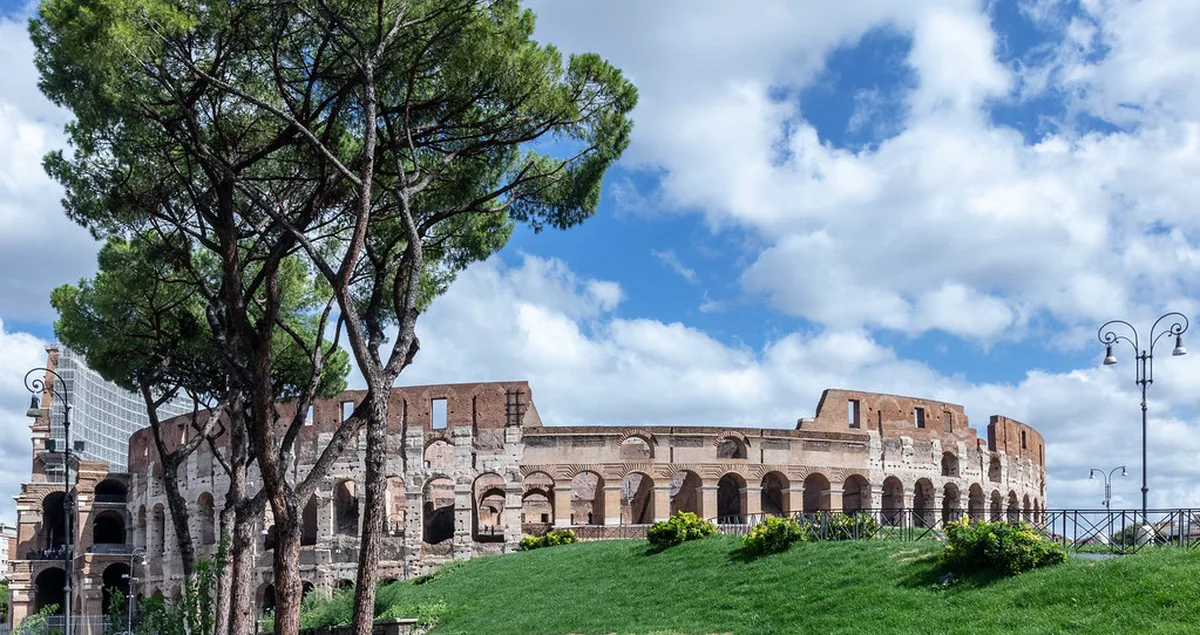
Rione Monti sits between the Colosseum and the Roman Forum, two of antiquity's greatest landmarks, yet the neighborhood itself feels nothing like a tourist zone. Its cobblestone alleys are lined with wine bars run by locals, vintage boutiques curated by actual designers, and trattorias where the cacio e pepe costs a third of what you'd pay near the Pantheon. If you only see Rome's headline sights and skip Monti, you've missed the city's most liveable corner.
This guide covers everything a first-time visitor or returning traveler needs: the history that shaped the district, named restaurants and bars worth booking, the vintage and artisan shopping scene, honest advice on where to stay, and a direct Monti vs. Trastevere comparison so you can make a confident decision about where to base yourself. When exploring Rome neighborhoods, Monti consistently earns the highest marks for the combination of walkability, character, and proximity to ancient Rome.
What Is Rione Monti? (History and Vibe)
Rione Monti is Rome's first official district — the original rione number one — and it carries more layers of history than almost any other square kilometer in Europe. The ancient Romans called this area the Suburra, the city's densest and most dangerous slum, where Julius Caesar himself was born around 100 BC before his family moved to a more prestigious address. The same streets that once hosted street gangs, cheap brothels, and crowded insulae apartment blocks now hold some of the city's most coveted boutique hotels and wine bars.
That transformation from notorious slum to bohemian enclave is not just a tourism talking point — it shapes the neighborhood's personality. Monti never became polished in the way that Centro Storico did. The building facades still show their age, the piazzas are small and asymmetrical, and the bar owners tend to know their regulars by name. Today, the district stretches roughly between Via Nazionale to the north, the Colosseum to the southeast, and the Imperial Forums along its western edge.
The vibe is distinctly different from Trastevere's rowdy evening energy or Prati's corporate calm. Locals here skew younger, artistic, and independent-minded. The neighborhood fills up from about 18:00 onward as residents gather for aperitivo, but it never tips into the chaotic tourist noise you encounter near Piazza Navona. For travelers who want to experience Rome that happens to have outstanding ancient ruins nearby — rather than a museum city with a neighborhood tacked on — Monti is the right base.
Best Things to Do in Monti, Rome
The most rewarding activity in Monti is unstructured wandering, which sounds vague but has a practical itinerary. Start on Via del Boschetto, the neighborhood's main artery for independent shops, then cut across to Via dei Serpenti and loop back through Piazza degli Zingari before ending at Piazza della Madonna dei Monti. The whole circuit takes about 45 minutes at a slow pace and covers most of what makes the district special.
San Pietro in Vincoli, a short walk uphill from the neighborhood center, houses Michelangelo's Moses sculpture — arguably the most underrated single artwork in Rome. The church is free, rarely crowded before 10:00, and takes about 20 minutes to visit. Combine it with a morning coffee on Via Panisperna and you have a relaxed morning before the main sites open.
One of the best free experiences in the area is finding the entrance to Via Campo Carleo, a quiet side street that opens onto an elevated viewpoint directly behind the Forum of Augustus. Standing here, you get a closer look at the forum's massive wall sections without paying Colosseum-complex admission prices. Most visitors on the Via dei Fori Imperiali never notice this approach, which means the spot is almost always empty even at peak season. It is the kind of find that makes Monti feel endlessly rewarding to explore as part of 12 Best Things to Do in Rome.
Parco del Colle Oppio, the green park just above the Colosseum, is another spot most tourists skip. The park has benches, shade, potable water fountains (the free acqua di Roma taps that locals use constantly), and a clear sightline down to the Colosseum's exterior. It is the best midday break point in the entire area — bring food from a nearby bakery and eat with the amphitheater as your backdrop.
Get to Know Classic Rome Foods and Where to Eat
Monti is one of the best places in Rome to eat traditional Roman food without paying tourist-trap prices. The four pasta dishes you must try in the city — Carbonara, Cacio e Pepe, Amatriciana, and Gricia — all appear on menus here made with correct technique. Carbonara uses only guanciale (cured pork cheek), Pecorino Romano, egg yolk, and black pepper. Any version that adds cream is a menu to leave immediately.
For a full dinner, Ai Tre Scalini on Via Panisperna is one of the neighborhood's most beloved spots: a classic enoteca turned restaurant where the blackboard menu changes daily and the wine list leans heavily Italian. Arrive before 20:00 or expect to wait. For a quicker and cheaper lunch, La Piadineria on Via Urbana serves piadine — the thin flatbread from Romagna filled with prosciutto crudo, cheese, and rocket — at prices that feel almost anachronistic given the neighborhood's current reputation.
Wine bars are the social infrastructure of Monti. La Bottega del Caffe sits directly on Piazza della Madonna dei Monti and charges a small premium for the location, but the outdoor tables facing the fountain are worth it for an afternoon glass. If you want a more curated experience, Vino Roma Wine Studio on Via in Selci runs structured tastings (book in advance, roughly €45–55 per person in 2026) that cover Italian regional varieties in depth — the most informative wine session available in this part of Rome. For a late-night aperitivo with a rooftop view, Spritzeria Monti catches the end of the day with spritz variants and a partial Colosseum sightline from the terrace.
Street food is also worth mentioning. Pizza al taglio from local bakeries costs around €2–4 per slice, and eating a slice while sitting on the steps of a nearby fountain is entirely correct local behavior. Gelateria dell'Angeletto, tucked behind Piazza della Madonna, makes gelato from traditional recipes and rarely has queues longer than five minutes.
Shopping in Monti: Vintage Finds and Artisan Workshops
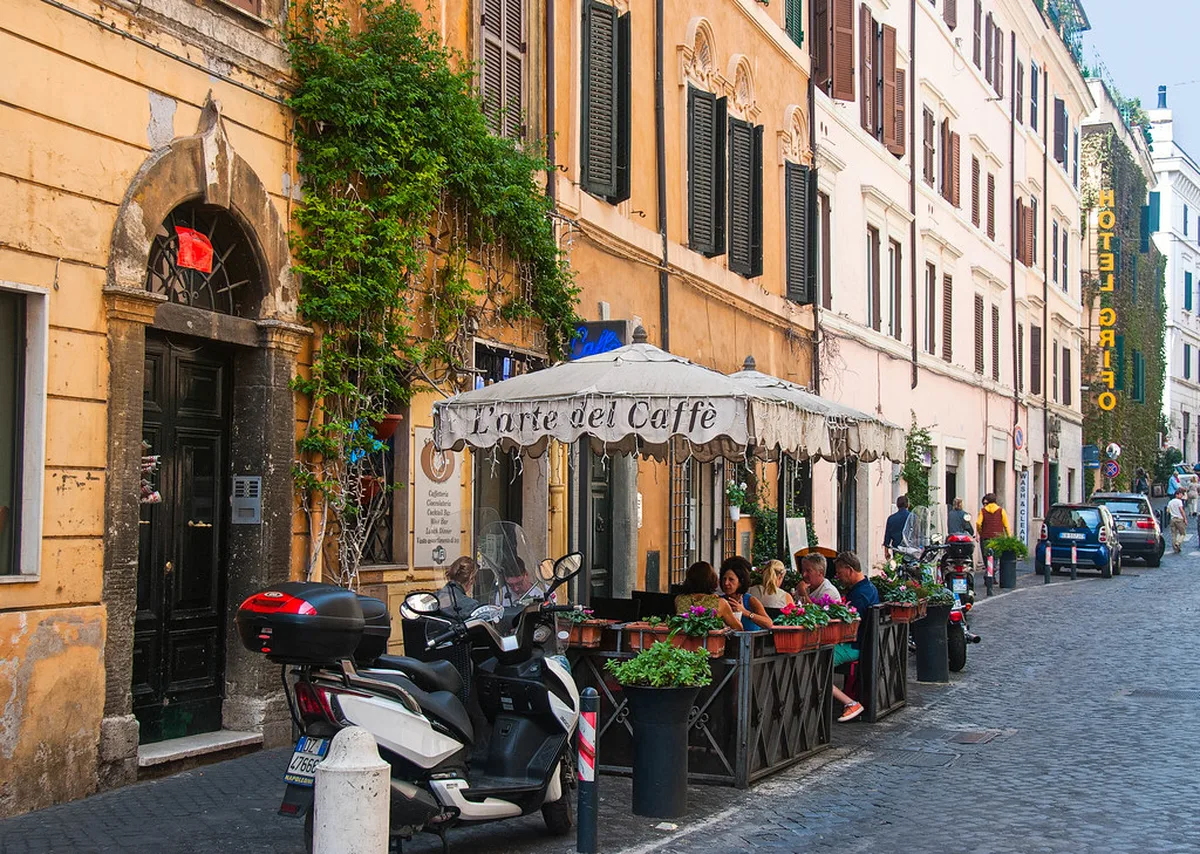
Via del Boschetto is the spine of Monti's independent retail scene. Along this single street and its immediate side streets you will find a concentration of vintage clothing stores, jewelry studios, small leather workshops, and home-goods makers that has no equivalent in any other Roman neighborhood. The difference from typical tourist shopping is real: these businesses serve the local community, prices reflect actual value rather than location premiums, and the proprietors tend to know their stock well enough to help you find something specific.
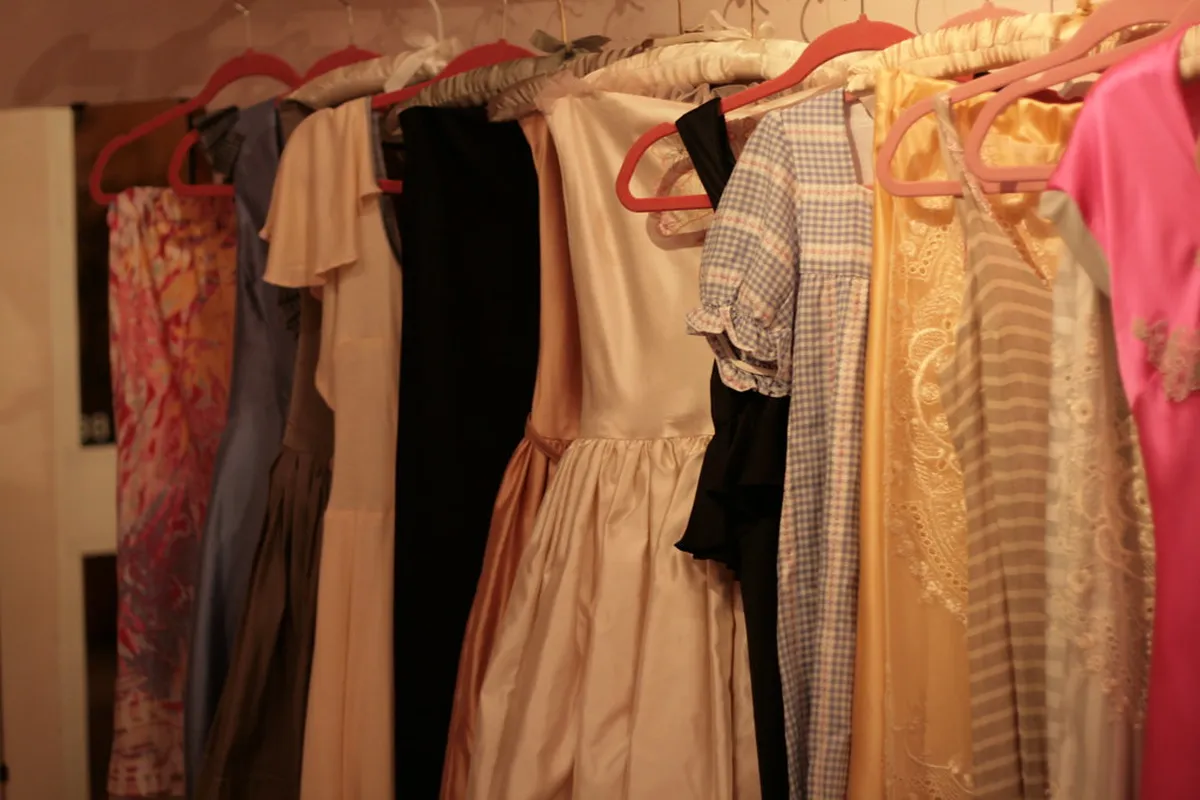
Pifebo is the best-known vintage store and the right starting point — carefully curated retro clothing ranging from 1970s Italian sportswear to designer pieces from Versace and Gucci in excellent condition. Mio Monti specializes in handmade leather bags; it is small and easy to miss, but the suede and soft leather pieces are among the finest you will find in the city. For handcrafted jewelry, Nous Atelier is run by two sisters who design and make each piece themselves. Kokoro covers locally designed women's clothing with a contemporary sensibility.
Mercato Monti operates every Saturday and Sunday from 10:00 to 20:00 inside a warehouse near the neighborhood center. Local designers, vintage dealers, and independent artists all sell together, and the market draws a genuinely mixed crowd of residents and visitors. It is a better use of time than any souvenir district in the city. Artisan workshops for leather goods, ceramics, and bespoke tailoring are scattered throughout the district, often behind unmarked doorways on quiet side streets — walking slowly and looking for open doors is the correct approach.
Monti vs. Trastevere: The Honest Comparison
Most first-time visitors to Rome narrow their accommodation search to these two neighborhoods, and the choice is genuinely consequential. They are both walkable, both characterful, and both a reasonable distance from major sights — but they suit very different travel styles. The comparison table below is based on the practical reality of staying in each area rather than reputation or marketing.
| Criteria | Monti | Trastevere |
|---|---|---|
| Location relative to ancient Rome | Colosseum 5–10 min walk, Roman Forum 10 min, Termini 15 min | 25–35 min on foot from Colosseum, no direct metro |
| Metro access | Cavour station (Line B) connects to Termini + airport bus | No metro station |
| Evening atmosphere | Quiets after 23:00, better for early risers and families | Louder and more social after 21:00, better for late-night travelers |
| Price level | Similar accommodation; restaurants slightly cheaper on average | Broadly similar for accommodation |
| Walkability surface | Cobblestones with steep inclines | Cobblestones, flatter terrain, easier with mobility concerns |
| Authenticity feel | Genuine residential character in 2026 | More tourists in evening, can feel staged near main piazza |
The clearest decision rule: if your trip centers on ancient Rome (Colosseum, Roman Forum, Palatine Hill), stay in Monti. If your trip centers on the Vatican, Campo de' Fiori, and late-night street life, Trastevere makes more logistical sense. See our full Trastevere Rome Neighborhood Guide: Stay, Eat, and Explore and 10 Best Neighborhoods and Tips for Staying in Rome overview for deeper comparisons across all major options.
Why Stay in Monti? (The Most Convenient Area to Stay in Rome)
The practical case for staying in Monti is stronger than for almost any other Roman neighborhood. You wake up five minutes from the Colosseum and ten minutes from Termini station, the city's main transport hub. Line B of the metro (Cavour stop, a two-minute walk from the neighborhood center) connects you to the main train station in two stops and to the airport bus interchange in three. No other centrally characterful neighborhood in Rome matches this combination.
The Cavour metro station is only a two-minute walk from the neighborhood center on Line B, giving you direct access to Termini train station in two stops and the airport bus interchange in three — the most convenient metro connection of any characterful Rome neighborhood.
The accommodation stock here is almost entirely boutique hotels, renovated historic buildings converted to guesthouses, and small B&Bs. This means more personal service and more distinctive rooms than you get in larger hotel districts, but it also means smaller lifts, more stairs, and no resort pools or spas. If those amenities matter to you, the neighborhood is a poor fit and you will be happier in Prati or near the Spanish Steps.
The western edge of the district — roughly the streets between Via Cavour and Via dei Serpenti — is the best base within Monti. It sits calmer than the streets near the Colosseum entrance, offers easier walks toward Trajan's Markets and the Imperial Forums, and keeps you within five minutes of both the metro and the main restaurant and bar cluster. Staying one block too far east puts you in high-traffic tourist corridor territory.
Best Hotels in Monti (Ready to Book Smarter?)
Casa Monti on Via Panisperna is the neighborhood's most discussed boutique property: design-forward interiors, warm service, and a location that puts you at the center of Monti's social scene. It is best for couples and design-conscious travelers. Rates in 2026 typically run €200–350 per night depending on season; booking two to three months ahead is advisable for summer dates. The Casa Monti official site often has better rates than third-party platforms.
For travelers who want rooftop dining and views over the ancient ruins, Hotel Forum on Via Tor de' Conti sits at the edge of Monti proper and overlooks the Imperial Forums directly. It runs at a premium price point but delivers a location and a breakfast terrace that are genuinely hard to match elsewhere in the city. Budget-conscious travelers should look at the smaller guesthouses on Via dei Serpenti and Via del Boschetto — several well-reviewed properties in the €80–140 range operate here with clean rooms and knowledgeable owners.
Before booking any Monti hotel, check whether the property has a lift if stairs are a concern — many buildings are medieval in structure and do not. Also verify that your room faces an internal courtyard if you are a light sleeper: some streets near the bars stay active until 01:00 on weekends.
The following traveler-type breakdown helps cut through the options quickly:
- Couples and first-time visitors: Casa Monti or Hotel Forum — central location, excellent service, strong reviews.
- Budget travelers: Guesthouses on Via dei Serpenti — good value, walking distance from everything, authentic atmosphere.
- Families with young children: Check elevator access explicitly; cobblestones and stairs are the main friction point.
- Pool or spa seekers: Monti is a poor fit — consider Prati or the area near Via Veneto instead.
- Luxury honeymooners: Mixed fit; some prefer the more polished Centro Storico or Parioli neighborhoods for higher-end amenities.
Hidden Things Many Travelers Miss
The fountain ritual at Piazza della Madonna dei Monti is the neighborhood's heartbeat. Every evening from around 18:30, residents bring wine from a nearby enoteca or bottles from the supermarket and sit on the fountain's steps to talk, drink, and watch the square fill up. Joining requires no invitation — bring your own drink, find space on the steps, and settle in. It is the most genuinely local thing you can do in this part of Rome, and it costs nothing beyond whatever you drink.
The evening fountain gathering at Piazza della Madonna dei Monti (starting around 18:30) is free and requires no reservation — bring your own drink from a nearby enoteca or supermarket, find a spot on the fountain's steps, and experience how locals actually spend their evenings in Monti.
Santa Pudenziana on Via Urbana contains some of the oldest surviving Christian mosaics in the world, dating to around 390 AD. The interior is almost always empty and entry is free. The apse mosaic, showing Christ enthroned against a gold sky, is breathtaking and receives a fraction of the attention given to the much later Sistine Chapel. The adjacent church of Santa Prassede, a short walk away, holds the ninth-century Chapel of San Zeno — a Byzantine jewel box of gold mosaics that art historians consider one of the finest small rooms in Rome.
The Salita dei Borgia, a steep staircase connecting the lower neighborhood to the area near Via Cavour, offers one of the most photogenic views of Monti's rooftops and the dome of Santa Maria Maggiore in the background. It is especially quiet before 09:00 when the light hits the ochre walls at a low angle. Most visitors walk past the entrance without noticing the staircase exists.
Honest Things to Know Before Visiting Monti
The cobblestone streets throughout Monti are beautiful and also punishing on wheeled luggage and tired feet. Comfortable walking shoes with firm soles — not sandals, not fashion sneakers — are the single most important packing decision for a Monti stay. The neighborhood also sits on a hillside, so some routes involve significant inclines. Budget extra time for any walk that goes uphill toward Via Panisperna or San Pietro in Vincoli.
Monti has become considerably more popular in recent years. In peak summer season (late June through August), parts of Via Urbana and the area around Piazza della Madonna dei Monti can feel crowded and slightly touristy compared to even five years ago. The neighborhood's authentic feel survives but requires more deliberate navigation: side streets off the main axes, restaurants without English menus in the window, and bars that do not list their prices in multiple currencies.
Safety is generally excellent throughout the neighborhood. The main risk is the standard Rome pickpocket problem near the Cavour metro station and around the Colosseum entrance — use a crossbody bag or keep your phone in a front pocket. At night, Monti stays lively and well-populated until midnight, and the streets remain safe for solo travelers of any gender. The Rome Neighborhoods Guide: 10 Best Areas covers the broader safety picture across all areas of the city.
One logistical note worth flagging: many Monti restaurants do not take bookings for tables of one or two, which means you can often walk in — but popular spots like Ai Tre Scalini do fill up on Friday and Saturday nights by 20:00. Arriving early or eating at 19:00 rather than 20:30 solves most availability problems. Planning your first Rome visit in full? Our 12 Best Things to Do in Rome guide covers the broader city picture and helps prioritize your daily itinerary.
Frequently Asked Questions
Is Monti Rome's coolest neighbourhood?
Many locals and travelers consider Monti the coolest neighborhood due to its bohemian vibe and artistic community. It offers a unique mix of vintage shopping, trendy wine bars, and ancient history. This combination creates an atmosphere that is both sophisticated and relaxed for every visitor.
What is the history of the Suburra?
The Suburra was ancient Rome's most notorious slum and red-light district where the working class lived. It was also the birthplace of Julius Caesar, despite its dangerous reputation in the past. Today, the area has transformed into one of the city's most desirable and trendy residential districts.
Is Monti safe at night for tourists?
Monti is generally very safe at night because the streets are frequently populated by locals and diners. You should still exercise standard travel safety precautions, especially near the metro stations. For more tips on staying safe, see our guide on Rome neighborhoods.
How far is the Monti neighborhood from the Colosseum?
The Monti neighborhood is located directly adjacent to the Colosseum, making it a very short walk away. Depending on your specific location, you can reach the ancient amphitheater in five to ten minutes. This proximity makes the district a perfect base for exploring Rome's most iconic landmarks.
Which hotels in Monti are best for first-time visitors?
First-time visitors often enjoy boutique hotels like Casa Monti or Hotel Forum for their central locations and excellent service. These properties offer easy access to major sites while providing a comfortable and authentic Roman atmosphere. Booking early ensures you get the best rates for your stay.
The Monti neighborhood offers a rare combination that most Roman districts cannot match: genuine local character, walking distance to the city's most significant ancient monuments, and a practical transport connection that makes day-tripping anywhere in Rome straightforward. Whether you are choosing it as a base for a week-long stay or spending a single afternoon exploring its streets, the district rewards attention and slow movement.
Start with Via del Boschetto in the morning when the shops open, work toward Piazza della Madonna dei Monti in the afternoon for coffee, and stay for the evening fountain gathering before dinner at a nearby trattoria. That is not a rigid itinerary — it is simply how the neighborhood is designed to be used. For the broader Rome planning picture, our 10 Best Neighborhoods and Tips for Staying in Rome guide covers every major area side by side.
You might also like
Continue reading
More guides you'll find useful