10 Best Neighborhoods for Where to Stay in Rome (2026)
Discover where to stay in Rome with our local guide. From the historic center to foodie-favorite Testaccio, find the perfect 2026 hotel for your trip.
On this page
10 Best Neighborhoods for Where to Stay in Rome
After my sixth visit to the Eternal City last autumn, I realized that your choice of base changes everything. Rome is a patchwork of distinct rioni, or districts, each offering a completely different sensory experience for travelers. This guide was refreshed in 2026 to ensure all transport details and pricing are accurate for current trips.
Finding the right spot for where to stay in rome depends on your personal travel priorities. First-timers often crave the cobblestones of the historic center, while repeat visitors might prefer the greenery of the Aventine Hill. The Tiber River acts as a natural guide, separating the ancient heart from the bohemian winding streets of Trastevere.
I once made the mistake of staying too far from a metro line during a summer heatwave. That experience taught me that proximity to transit or major sights is worth every extra euro in your budget. Our editors have vetted these ten neighborhoods to help you avoid common tourist traps and find authentic Roman charm.
Rome Planning Cheatsheet: What to Know Before You Book
Planning a trip to Rome requires more foresight than most European capitals because of the city's massive year-round popularity. Aim to book accommodation at least four to six months before your intended arrival date. This is especially critical during peak season — April through June and September through October — when even mid-range rooms sell out weeks in advance.
Rome's metro system has only three lines. Line A links Prati (Ottaviano station) with the Spanish Steps area (Spagna), Termini, and Anagnina in the southeast. Line B connects Termini with Testaccio (Piramide), Ostiense, and Laurentina. Line C runs from the city center outward toward southeastern suburbs and is rarely useful for tourists. Many central neighborhoods rely on the bus network, which can be unpredictable during local strikes. Staying within a ten-minute walk of a metro stop will significantly simplify daily sightseeing.
Rome's city tax is €3–€7 per person per night depending on hotel category, paid in cash upon checkout. Always ask your hotel if this is included in the quoted rate or added separately.
Noise is a significant factor in Rome because narrow streets amplify Vespas and late-night diners. If you are a light sleeper, look for hotels advertising double-glazed windows or choose the quieter Aventino or Prati districts. Always ask whether your hotel charges a city tax — Rome's current rate is €3–€7 per person per night depending on hotel category, paid in cash upon checkout.
One practical note on booking timing: if you plan to visit for Easter, the Jubilee Year 2025 overflow continues to affect central availability into 2026, so the six-month-advance rule applies even to shoulder season dates. Book early and read the cancellation policy carefully before confirming.
Where to Stay in Rome for a First-Time Trip
If this is your first visit, narrow your shortlist to three neighborhoods: Monti, Centro Storico, or Prati. These three cover the main travel styles — Monti for the balance-seeker who wants local atmosphere without sacrificing convenience, Centro Storico for those who want to wake up steps from the Pantheon, and Prati for families or travelers who want quiet streets and easy Vatican access.
Avoid the temptation to stay far outside the historic core to save money. Rome's sightseeing is densely concentrated in a roughly three-mile radius, and long commutes from outlying districts will eat into your day. The one exception is Garbatella, which sits on Metro B and is genuinely accessible — but it is best suited to repeat visitors who have already done the main sights.
For reference, here is how the neighborhoods in this guide stack up for a first-timer.
- Monti — best all-around pick for most travelers. Close to the Colosseum, on Metro B (Cavour), and far less crowded than the historic center at night.
- Centro Storico — maximum atmosphere, maximum price, maximum noise. Ideal if iconic views from your window are non-negotiable.
- Prati — quieter, flatter streets, excellent for families with young children and older travelers. Best transport variety via Metro A.
- Trastevere — no metro, romantic and lively, but best suited to those who will use rideshares or are comfortable navigating buses.
- Testaccio — for food-obsessed travelers on their second trip. Local and authentic but limited in terms of aesthetic appeal.
- Aventino — peaceful and romantic, but very quiet at night and limited dining within walking distance.
Read through each section below to understand exactly what each neighborhood offers before you commit to a booking.
Aim to book accommodation at least four to six months before your intended arrival date, especially during peak season (April–June and September–October). The Jubilee Year 2025 overflow continues to affect central availability into 2026, so early booking applies even to shoulder season dates.
Centro Storico: The Heart of Ancient Rome
The Centro Storico — which the ancient Romans called Rione IX Pigna — is where most first-time visitors gravitate, and not without reason. Staying here puts you within ten minutes on foot of the Pantheon (open daily 09:00–19:00, €5 entry in 2026), the Trevi Fountain, Piazza Navona, and the Campo de' Fiori. The density of baroque architecture, illuminated fountains, and street life after dark is genuinely unmatched anywhere in the city.
The honest trade-off is that this is also Rome's most tourist-saturated and expensive neighborhood. Expect to pay €180–€450 per night for a standard hotel room. Scooter noise echoes off the narrow walls well past midnight. Pickpockets operate near the Trevi Fountain and in the crowded alleys around the Pantheon. The Centro Storico is best accessed on foot or by the 40, 64, or 492 bus lines — there is no metro station in this area.
If you do choose to stay here, pick a hotel on a side street closer to Piazza Navona rather than along the main pedestrian artery toward the Trevi Fountain. The alleys running behind Campo de' Fiori are noticeably quieter at night. Book at least six months in advance, and note that many streets in this zone are ZTL (restricted traffic zones) so hotel check-in by car requires advance coordination with the property.
Best for: First-timers who want maximum atmosphere and can handle crowds. Avoid if: You are a light sleeper, traveling on a budget, or need metro access for day trips.
Monti: Hip, Local, and Near the Colosseum
Monti sits between the Roman Forum and Termini Station, making it the most practically central neighborhood in Rome. It is Rome's oldest rione — ancient writers called this area the Suburra, once a dense and slightly disreputable working-class district where Julius Caesar's family reportedly lived. Today it has reinvented itself as Rome's most fashionable neighborhood: ivy-clad palazzos, craft cocktail bars, vintage boutiques on Via del Boschetto, and aperitivo hour at the fountain in Piazza della Madonna dei Monti.
The Cavour metro stop (Line B) sits in the middle of the neighborhood, giving you Termini in one stop and the Colosseum in a five-minute walk. This combination of walkability and metro access is Monti's biggest practical advantage over the historic center. Hotels typically run €160–€320 per night for boutique options. Note that Monti spans three hills — walking here is rarely flat, which matters if you are hauling luggage or have mobility limitations.
Monti's nightlife exists but is low-key compared to Trastevere. The area around Piazza della Madonna dei Monti can get loud on weekend evenings, so if you want quiet sleep, look for hotels on Via Panisperna or the upper slopes toward Via Urbana. For 12 Best Things to Do in Rome, Monti's location means you can reach the Colosseum, the Roman Forum, Trajan's Column, and the Baths of Caracalla all on foot.
Best for: Most travelers, especially first-timers who want a local feel and metro convenience. Avoid if: You are on a tight budget — this is not a cheap neighborhood despite its relaxed vibe.
Trastevere: Rome's Most Charming Nightlife Hub
Trastevere sits on the west bank of the Tiber, enclosed by low medieval buildings, climbing vines, and narrow lanes that predate the city's imperial expansion. It is the neighborhood most travelers picture when they imagine a romantic Roman evening: candlelit trattorias spilling onto cobblestone streets, the golden facade of the Basilica di Santa Maria in Trastevere (open until 21:00), and the smell of wood-fired pizza drifting through the alleys.
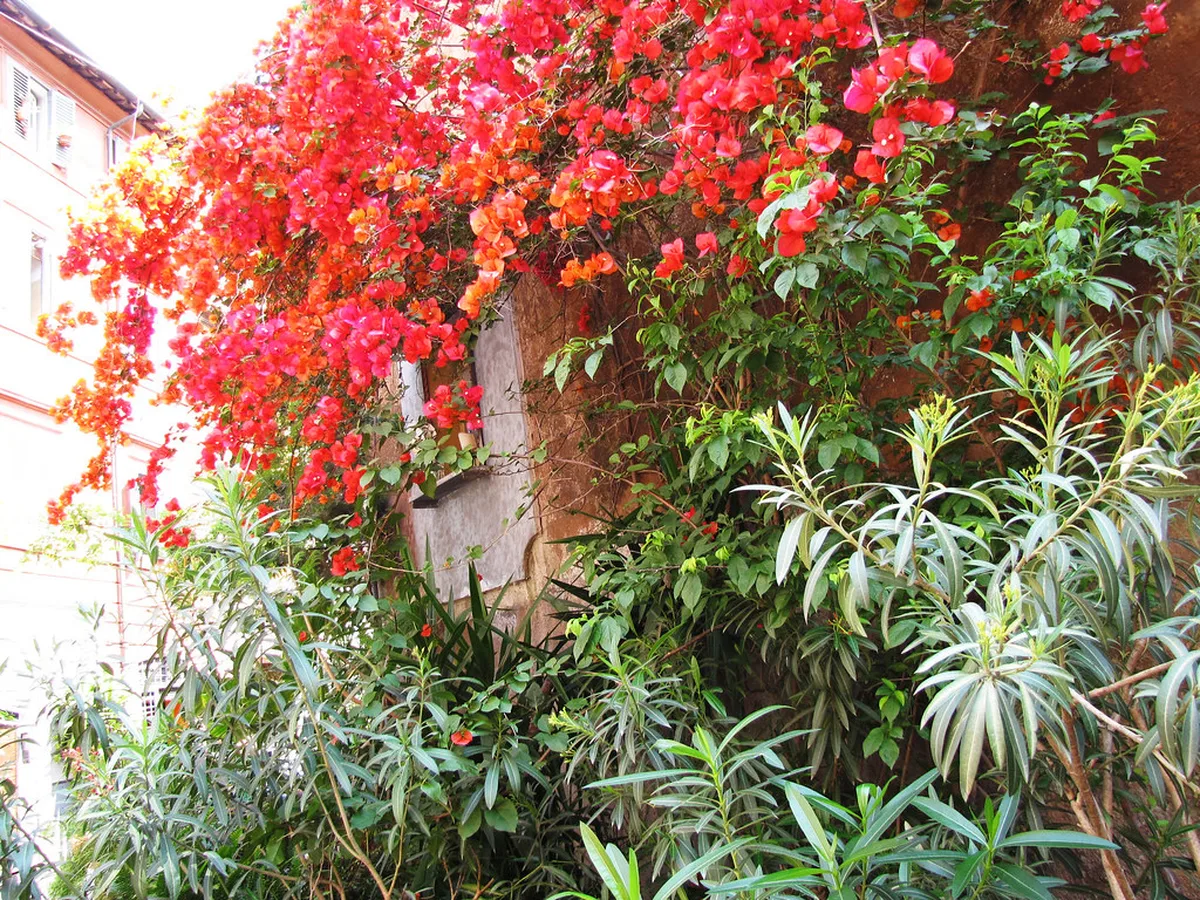
The trade-off is transport. There is no metro station in Trastevere. You rely on the number 8 tram from Largo Argentina or the H bus, both of which can be slow during peak hours. Hotel rates run €130–€280 per night. The neighborhood has grown significantly more tourist-oriented over the past decade — Friday and Saturday nights around Piazza di Santa Maria in Trastevere are now genuinely loud until 01:00 or later. If you stay here, choose a hotel at least two blocks back from the main squares or pack earplugs.
For food, Trastevere remains the right choice in 2026. This is where you find genuinely historic trattorias like Da Enzo al 29 on Via dei Vascellari and local wine bars away from the tourist circuit. The neighborhood is also the best base for exploring Gianicolo Hill for panoramic city views. You can find more context on the dining scene in our Trastevere Rome Neighborhood Guide: Stay, Eat, and Explore.
Best for: Couples, foodies, and travelers who prioritize atmosphere over transport convenience. Avoid if: You are a very light sleeper, have young children, or plan to take multiple day trips requiring early morning train connections.
Prati: Upscale Living Near the Vatican
Prati is the most orderly neighborhood in central Rome, built in the late 19th century on a rational grid plan of wide, tree-lined boulevards. Its apartment buildings are elegant but not ancient — think Paris's 16th arrondissement rather than the crumbling grandeur of the historic center. The upside is flat, navigable streets that are genuinely comfortable for families with strollers, older travelers, and anyone dragging a large suitcase between hotels.
Three Metro A stops serve Prati: Cipro (closest to the Vatican), Ottaviano, and Lepanto. Vatican Museums tickets should be booked months in advance — the museums are open Monday through Saturday 09:00–19:00, with the last entry at 17:00. Hotel prices in Prati run €200–€500 per night for upscale options, though the neighborhood offers more competitive pricing than the historic center for equivalent quality. The Via Cola di Rienzo shopping strip and the Mercato Trionfale food market on Via Andrea Doria (weekday mornings) are particular highlights.
One genuine drawback: the zone immediately surrounding St. Peter's Square and Castel Sant'Angelo fills with tour groups from 08:00 onward and empties entirely by evening. If you choose Prati, stay a few blocks north toward Piazza Cavour or Piazza dei Quiriti for a quieter, more residential feel. The neighborhood has almost no nightlife, which is either a pro or a con depending on your priorities.
Best for: Families with young children, older travelers, and Vatican-focused trips. Avoid if: You want evening atmosphere or a distinctly Roman historic environment.
Testaccio: The Ultimate Neighborhood for Foodies
Testaccio was built around Rome's former slaughterhouse, and the neighborhood's identity is inseparable from that history. The cucina romana traditions that define Roman cooking — coda alla vaccinara (oxtail stew), rigatoni con pajata, and the now-celebrated cacio e pepe — emerged from the working families of this district. The Testaccio Market on Via Beniamino Franklin operates daily from 07:00 to 14:30 and remains one of the best food markets in central Italy, almost entirely free of tourist stalls.
Piramide metro station (Line B) puts you in Testaccio in under ten minutes from Termini. Hotel rates run €110–€220 per night, making this one of the more affordable options close to the historic center. The non-Catholic Cimitero Acattolico (Protestant Cemetery) is an unexpectedly beautiful landmark nearby, where Keats and Shelley are buried. Monte Testaccio — an ancient hill made entirely of broken Roman amphorae — gives the neighborhood its name and now hosts a cluster of nightclubs in its lower caves.
Testaccio is honest accommodation: not pretty, not polished, but deeply authentic. First-timers expecting the baroque panoramas of the historic center may feel underwhelmed. Repeat visitors who want 12 Best Restaurants in Rome within walking distance will be very happy here. Two nights is the right allocation — enough to do a food tour, visit the market, and understand why locals consider this Rome's real culinary home.
Best for: Food-focused travelers, repeat visitors, and anyone who wants a local neighborhood at a lower price. Avoid if: Aesthetic architecture is a priority or this is your first Rome trip.
Aventino: A Tranquil and Romantic Hilltop Escape
The Aventine Hill rises south of the Circus Maximus and is one of the original seven hills of ancient Rome. Today it is the most bourgeois and peaceful neighborhood in the historic center — lined with orange trees, private gardens, and 19th-century villas rather than hotels and tourist shops. Most visitors to Rome never set foot here, which is precisely why it works so well for travelers who want proximity to everything but distance from the crowds.
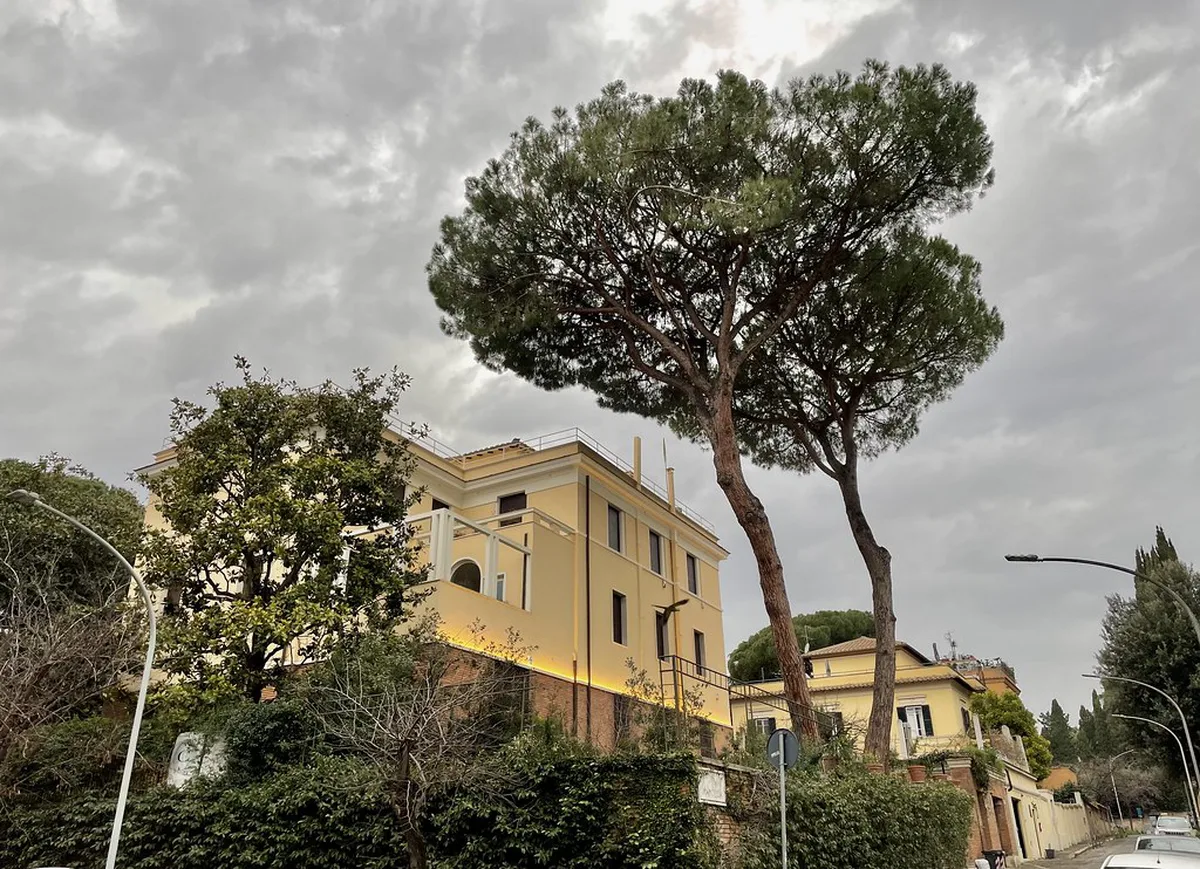
The two unmissable stops on the Aventine are the Garden of Oranges (Giardino degli Aranci), where a viewpoint frames a perfect alignment between St. Peter's dome and the Mouth of Truth, and the Knights of Malta keyhole on Piazza dei Cavalieri di Malta — a famous optical illusion that frames St. Peter's Basilica through a garden. Both are free and best visited at sunrise before the few tourists who know about them arrive. Hotel prices run €250–€600 per night, reflecting the exclusivity of the area.
The Circo Massimo metro station (Line B) is a ten-minute walk downhill from most Aventine hotels. Dining options within the neighborhood are limited — a handful of upscale restaurants but no dense dining scene. Plan to walk down to Testaccio for dinner or take the metro to Monti. Aventino is a very strong choice for couples on a romantic trip who want a quiet base and do not mind planning transport in advance.
Best for: Couples seeking quiet and romance, travelers who want a peaceful retreat near the center. Avoid if: You want walkable restaurants and nightlife at your doorstep.
Garbatella: The Authentic Wild Card Neighborhood
Garbatella was designed in the 1920s as a garden suburb for Rome's working class, and its architecture is unlike anything else in Italy. The neighborhood is organized into interconnected courtyard blocks called "lotti" — each one a semi-private community garden surrounded by low-rise residential buildings with terracotta facades, outdoor staircases, and hanging laundry. Mussolini's planners tried to give this district a utopian character, and the physical evidence still reads clearly a hundred years later.
Garbatella station (Metro B) places you at the Colosseum in twelve minutes. Apartment rentals average €90–€160 per night, making this the most affordable central option in this guide. The neighborhood's cafes open at 06:30 for commuters and close late; local restaurants serve cucina romana without the tourist markup. This is a neighborhood where you can walk for an hour and not encounter another guidebook-carrying traveler.
The honest caveat: Garbatella lacks the visual drama of the historic core. There are no ancient ruins on your doorstep, no baroque churches on every corner. It rewards travelers who are genuinely curious about how Romans actually live today rather than how they lived two thousand years ago. For a first-time visit, it is a secondary choice. For a second or third trip, it is arguably the most interesting base in the city.
Best for: Repeat visitors, long-stay travelers, and anyone who wants 100% authentic neighborhood life at a lower price. Avoid if: This is your first trip and you want proximity to major sights.
The Cobblestone Factor: Practical Mobility by Neighborhood
Every neighborhood guide for Rome mentions the sanpietrini — the dark basalt cobblestones that pave most of the historic core. What most guides fail to say is that these stones vary dramatically in condition by neighborhood, and the difference has real practical consequences for families with strollers, travelers with rolling suitcases, older visitors, and anyone with mobility limitations.
The Centro Storico and Trastevere have the most irregular sanpietrini in the city. The stones settle unevenly over centuries, creating surfaces that are unpredictable even for fit walkers in trainers. Pulling a wheeled suitcase down Via del Governo Vecchio or through the backstreets of Trastevere is genuinely exhausting. Monti sits on three hills with cobblestones on its steeper lanes — manageable, but worth noting. Testaccio and the lower Aventine have a mix of cobblestone and modern pavement; navigable but imperfect.
Prati is the clear winner for surface accessibility. Its 19th-century grid streets are flat and predominantly paved in smooth asphalt or large-format stone, with proper kerb cuts at crossings. If you are traveling with a stroller, a wheelchair, or mobility aids, Prati removes a practical source of daily friction that every other neighborhood on this list presents to some degree. This is a real consideration that affects the daily comfort of your trip — not a minor footnote.
Quick Neighborhood Comparison
Use this table to compare neighborhoods at a glance based on the key factors that matter for your trip.
| Neighborhood | Best for | Price Range (€/night) | Metro Access | Vibe |
|---|---|---|---|---|
| Centro Storico | First-timers wanting maximum iconic atmosphere | €180–€450 | None (bus only) | Crowded, baroque, loud at night |
| Monti | Balanced travelers seeking local feel and convenience | €160–€320 | Line B (Cavour) | Hip, fashionable, walkable to Colosseum |
| Trastevere | Couples and foodies prioritizing nightlife | €130–€280 | None (tram/bus only) | Romantic, candlelit, artisan-focused |
| Prati | Families with children, Vatican visitors | €200–€500 | Line A (3 stops) | Orderly, flat streets, quiet, upscale |
| Testaccio | Food-obsessed repeat visitors | €110–€220 | Line B (Piramide) | Authentic, gritty, culinary hub |
| Aventino | Couples seeking peace and romantic views | €250–€600 | Line B (Circo Massimo, 10 min walk) | Peaceful, exclusive, limited dining |
| Garbatella | Repeat visitors on a budget | €90–€160 | Line B (12 min to Colosseum) | Authentic local life, no ruins, affordable |
Monti vs. Trastevere: Which Should You Choose?
Many travelers struggle to choose between Monti and Trastevere because both offer a charming, local atmosphere compared to the tourist-heavy Centro Storico. Monti is arguably more convenient for sightseeing because it sits directly next to the Roman Forum and the Colosseum, with a metro stop in the middle. Trastevere wins on the culinary and nightlife front — a higher density of outstanding trattorias and a more bohemian evening atmosphere.
The vibe in Trastevere is louder and grittier; Monti feels slightly more polished and artisan-focused. For a first-time visit, Monti's metro access makes navigating the city significantly less stressful. If you have already done the main sights and want to slow down and eat well, Trastevere becomes the stronger choice. A practical middle ground: book Monti for your first two nights, then consider a Trastevere base for any additional nights if your schedule allows.
The Termini Trade-off: Should You Stay Near the Station?
Staying near Termini is a polarizing choice. The primary benefit is unparalleled access to the Getting Around Rome: The Ultimate 2026 Transport & Walking Guide transport network for day trips to Pompeii, Orvieto, or Ostia Antica. You will also find the most competitive hotel rates in central Rome within the Esquilino district surrounding the station, typically €80–€150 per night for budget options.
The trade-off is atmosphere. The streets immediately surrounding Termini can feel gritty and lacking in the old-world character that most visitors come to Rome to experience. Some streets are poorly lit and can feel uncomfortable for solo travelers late at night. However, moving just three blocks west toward the Viminale Hill reveals genuinely handsome late 19th-century residential streets.
Termini makes practical sense in two specific scenarios: you have an early morning train departure or have just arrived and need one night near the station, or you are on a tight budget and plan to use the metro network heavily. In all other cases, the €40–€80 per night savings are unlikely to offset the loss of atmosphere that defines a genuinely satisfying Rome experience.
Frequently Asked Questions
What is the safest area to stay in Rome?
Prati and the Aventine Hill are widely considered the safest neighborhoods in Rome for travelers. These residential areas are well-lit and have a significant police presence due to nearby government buildings. Most central districts are safe if you stay aware of your surroundings.
Where should first-timers stay to be within walking distance of everything?
The Centro Storico, specifically the area near the Pantheon and Piazza Navona, is the best choice for walking. Staying here allows you to reach most major landmarks within fifteen minutes. It is the most efficient base for a How Many Days in Rome? 10 Essential Planning Tips & Itineraries short trip.
Is it better to stay in a hotel or an apartment in Rome?
Hotels are better for short stays because they offer luggage storage and concierge assistance for booking tours. Apartments are ideal for longer visits of five days or more, especially in local areas like Testaccio. They provide more space and the ability to cook local ingredients.
Rome is a city that rewards those who choose their neighborhood with intention and care. Whether you pick the hip streets of Monti or the quiet heights of the Aventine, your base will define your memories. This 2026 guide covers the full range — from the iconic Centro Storico to the underrated Garbatella — so you can match your priorities to the right rione.
For a visual reference of how these districts relate to each other geographically, the Wikimedia: Rome Location Map provides a useful overview before you book. For details on where to eat once you have picked your base, the Wikipedia entry on cucina romana gives good context on which dishes to seek out by neighborhood. Safe travels as you plan your Roman adventure.
You might also like
Continue reading
More guides you'll find useful