10 Best Places to Eat in Rome (2026)
Discover where to eat in Rome with our curated guide to the best trattorias, authentic gelato, and non-touristy gems near major monuments.
On this page
10 Best Places to Eat in Rome (2026)
Finding where to eat in Rome is one of the most rewarding — and most easily ruined — parts of visiting the Eternal City. The streets near every major monument are lined with restaurants that look appealing but serve reheated pasta to one-time visitors who will never return. Our editorial team has personally vetted every recommendation in this guide through repeat visits and local feedback.
This guide was refreshed in June 2026 to reflect current pricing and any restaurant closures. We focus on spots that cook to order, use seasonal ingredients, and keep their menus short and honest. Before you sit down anywhere, make sure you know 20 Best Foods to Eat in Rome: The Ultimate Local Guide so you can recognize the classics and spot a shortcut when you see one.
Choosing where to stay shapes your dining options considerably. Placing yourself in Trastevere, Testaccio, or Prati puts you within walking distance of genuinely local trattorias. Read our guide on the 10 Best Neighborhoods and Tips for Staying in Rome to match your accommodation to your appetite.
Essential Roman Eating Customs and Etiquette
Dining in Rome follows a specific rhythm that differs significantly from habits in Northern Europe or North America. Restaurants do not open for dinner until 7:30pm at the earliest, and most Romans do not sit down before 8:30pm or 9:00pm. A restaurant packed with diners at 6:00pm is almost certainly catering to tourists on a jet-lagged schedule, not locals following their natural routine.
Tipping is not mandatory in Italy, though rounding up the bill is a common gesture for good service. You will almost always see a coperto — a cover charge of €2 to €4 per person — added to your bill. This is a legal, standard practice covering bread, table linens, and glassware; it is not an optional fee and is not a service charge replacement.
Water is never free in sit-down restaurants. Specify naturale (still) or frizzante (sparkling) when you order. Coffee is always cheaper at the bar than at the table, and it is perfectly normal to stand at the counter for your espresso. If you want to learn these customs in a hands-on setting, consider joining a food tour in Rome led by a local guide who can translate the unwritten rules in real time.
Understanding the difference between dining formats will also save you money. A ristorante is the most formal option with tablecloths, extensive wine lists, and higher prices. A trattoria is typically family-run, less formal, and focused on a short menu of regional classics. An osteria was historically a wine-first drinking spot that evolved into an even more casual, lower-priced eating house — these are often the best-value meals in the city.
| Format | Known for | Best for |
|---|---|---|
| Ristorante | Formal service, wine lists, tablecloths, €40–€100 | Special occasions, seafood |
| Trattoria | Family-run, short menu, regional classics, €20–€50 | Authentic meals, casual dining |
| Osteria | Wine-focused, casual, simple plates, €15–€35 | Budget meals, aperitivo |
| Pizzeria | Wood-fired pizza, by the slice or whole, €5–€20 | Quick lunch, family-friendly |
How to Spot and Avoid Tourist Trap Restaurants
A useful rule of thumb in Rome is the ten-minute walk rule: if a restaurant sits within immediate sight of the Colosseum, the Trevi Fountain, or St. Peter's Square, walk at least ten minutes away before sitting down. The further you get from the main monument, the better the price-to-quality ratio becomes. This single habit will improve every meal you eat on the trip.
Beyond location, watch for a set of red flags that signal a tourist-trap operation. Laminated menus with full-colour photographs of the food are a near-universal warning sign — authentic Roman restaurants print their menus daily or write them on a chalkboard because the menu changes with the market. A host standing outside the door calling to passers-by is another clear indicator: local restaurants that have earned a reputation do not need to solicit customers off the street.
A restaurant completely empty at 8:00pm on a Friday is almost certain to be a tourist trap. Romans dine late — 8:30pm or later — so look for spots with Italian-speaking customers and a queue forming around opening time.
Other warning signs include menus written only in English (or five languages simultaneously), a "tourist menu" offering three courses for a suspiciously low flat price, and a dining room that is completely empty at 8:00pm on a Friday night. Authentic spots will have at least some Italian-speaking customers and a menu where the four Roman pasta classics — Carbonara, Cacio e Pepe, Amatriciana, and Gricia — are present or at least two of them are. If the menu runs to six pages and includes sushi, lasagna, and fettuccine Alfredo on the same list, move on.
Best Trattorias and Restaurants for Authentic Roman Classics
The best Roman trattorias are not the ones that rank highest on aggregator sites — they are the ones that have kept the same menu, the same staff, and the same suppliers for decades. The following spots have been personally verified for consistency in 2026 and represent the most reliable options for traditional Roman cooking.
Roscioli Salumeria con Cucina near Campo de' Fiori serves what many consider the city's finest Carbonara. The restaurant doubles as an artisanal deli, and the same family controls the entire supply chain from cured meat to aged cheese. Prices run €25–€60 per person; book at least three weeks in advance through their website. A cheaper entry point to the same quality is Antico Forno Roscioli next door — their pizza bianca and porchetta sandwiches cost €3–€10 and need no reservation.
Felice a Testaccio is the consensus choice for Cacio e Pepe, mixed tableside with practiced theatre. Da Enzo al 29 in Trastevere holds a comparable reputation for burrata and house-made pasta; they do not take dinner reservations, so arrive 30 minutes before the 7:00pm opening to join the queue. For an off-the-beaten-path option, Trattoria Da Cesare al Casaletto — at the end of the Line 8 tram — offers outstanding value at €20–€40 for a full meal, with a natural wine list that rivals spots charging twice as much. Plan these meals around your other activities with our guide to 12 Best Things to Do in Rome.
Flavio al Velavevodetto in Testaccio is built directly into Monte Testaccio, a hill formed from ancient broken amphorae; you can see the pottery fragments through the windows while you eat. It is the best atmospheric choice for a classic Roman menu at a mid-range price of €20–€40. For high-end seafood in a completely different register, Pierluigi on Piazza de' Ricci serves a raw platter and grilled fish at €40–€100 per person — reserve well in advance and request a piazza-side table.
Lunch menus at trattorias offer dramatically better value than dinner — expect €12–€20 for a full pasta course plus wine, compared to €25–€60 at night. Plan your main meal at midday if budget is a priority.
Top Places to Eat Near Major Rome Sights
Eating near major monuments is not impossible — it just requires knowing which specific spots have survived the tourist economy without surrendering their standards. Armando al Pantheon has operated 90 seconds from the Pantheon since 1961 and remains one of the most consistently recommended family-run restaurants in Rome. It is a rare exception to the rule, not proof that everything nearby is good; expect to pay €20–€50 and book two to three weeks ahead, especially in summer 2026.
Near the Colosseum, the Celio neighbourhood immediately behind the monument offers better value than anything facing the arena. Restaurants on Via Celimontana and the streets running into it serve a working-local crowd from the neighbourhood and hospital staff rather than day-trippers. You will find lunch menus of €12–€15 including wine, a price that would be unthinkable one block closer to the site.
For the area around the Trevi Fountain and Spanish Steps, the Monti neighbourhood — a ten-minute walk east — is the most reliable alternative. Monti has an independent restaurant culture with a younger, local clientele and noticeably lower prices than the tourist corridor. For the Vatican area, Pizzarium Bonci on Via della Meloria is genuinely worth the trip: pizza by the slice from €5–€15 by weight, with toppings that change daily and a 72-hour fermented dough that sits as lightly as focaccia.
Where to Find the Best Gelato in Rome
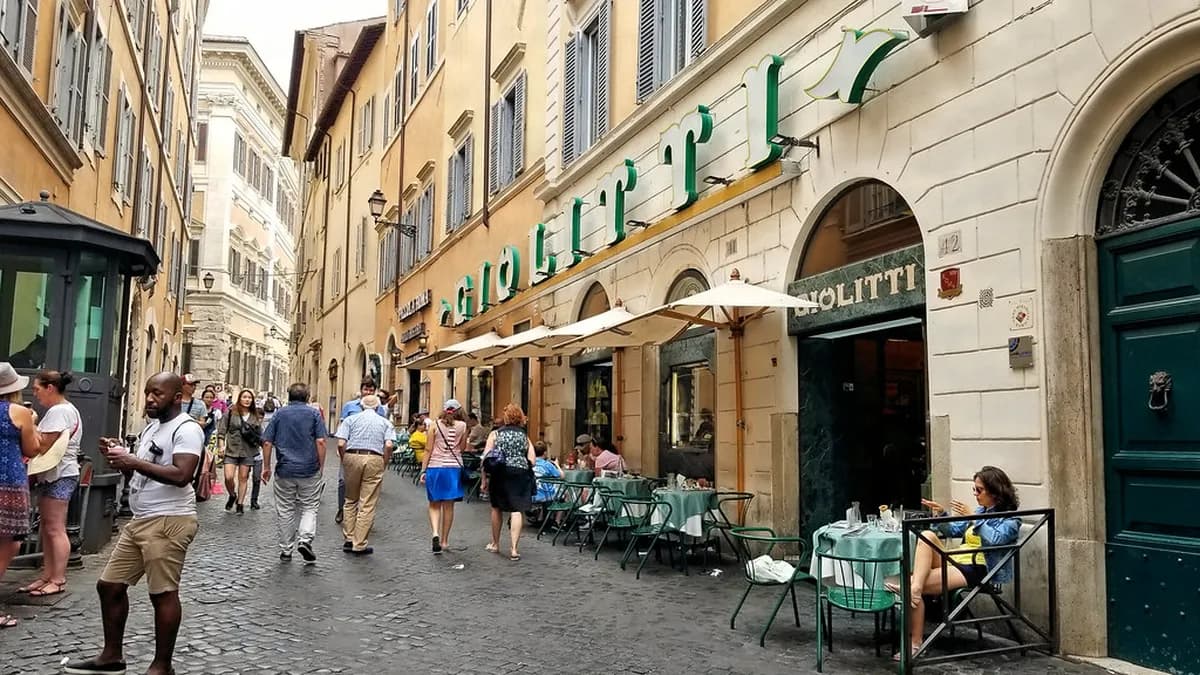
Artisanal gelato and the mass-produced supermarket-style version look identical in a display case, which is why knowing the difference matters before you hand over €4 for a cone. The clearest indicator of quality is the display method: genuine artigianale gelato is kept in covered metal containers (called pozzetti) flush with the counter, not piled into towering coloured mounds in open trays. Bright fluorescent colours — nuclear-green pistachio, traffic-light-red strawberry — almost always signal artificial flavouring and added dye. Read our full 14 Best Gelato Shops and Tips in Rome guide for a neighbourhood-by-neighbourhood breakdown.
Fatamorgana on Via Roma Libera in Trastevere and Via Laurina near the Spanish Steps is the best choice for genuinely unusual flavours — rose and cardamom, basil and walnut — made with no gluten and no allergen cross-contamination, which makes it accessible for a wider range of travellers. Il Gelato di San Crispino near the Trevi Fountain is the historic benchmark for purists: no cones, natural flavours only, and the honey-based house recipe that made the shop famous. A cup runs €3–€5 depending on size.
Two flavours to always try in Rome are fior di latte (fresh cream, no egg, clean dairy taste) and crema di Gianduia (hazelnut and chocolate). These are the flavours where the quality gap between good and bad gelato is most obvious. Avoid any shop that offers "stracciatella made with Belgian chocolate" as a quality signal — it is a marketing phrase, not an indication of origin.
Best Enotecas and Wine Bars for Aperitivo
Aperitivo hour in Rome runs roughly 6:30pm to 8:30pm and bridges the gap between sightseeing and dinner. Unlike the Milanese tradition of free buffets with every drink, Roman aperitivo is simpler: a glass of wine, a Negroni, or a Spritz accompanied by small plates of cured meat, cheese, or bruschetta that you pay for separately. The point is the pause, not the food.
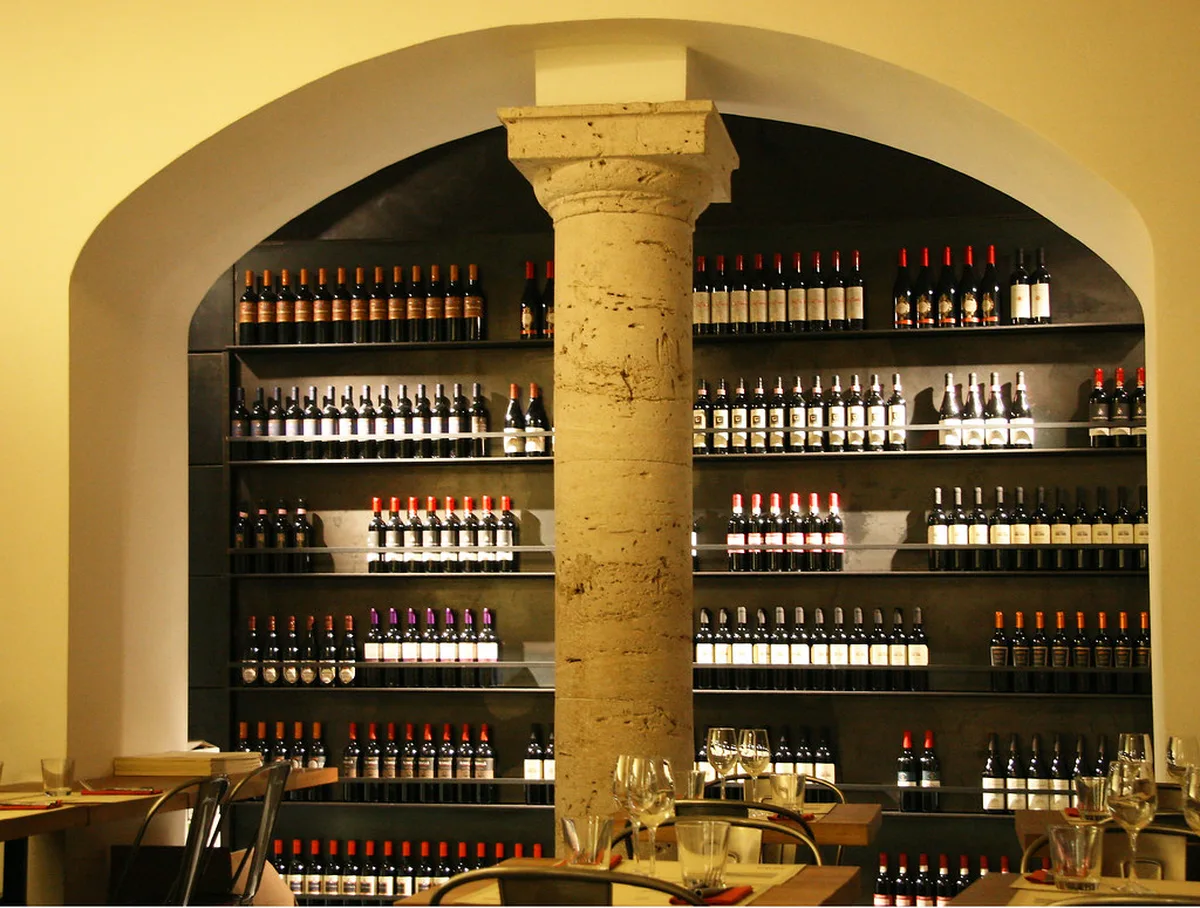
Enoteca Cul de Sac near Piazza Navona is one of the oldest wine bars in the city, with over 1,500 labels and a small plates menu that includes excellent pâté and aged cheeses. A glass of wine starts at €6, and the covered terrace is one of the most pleasant outdoor spots in the neighbourhood. Il Goccetto on Via dei Banchi Vecchi offers a darker, more intimate setting with a strong focus on natural Italian producers and a knowledgeable crowd of local regulars. Arrive before 7:30pm at either place if you want a seat.
Pigneto, a neighbourhood 30 minutes east of the centre by tram, has the most concentrated aperitivo scene outside the historic centre. The bars around Piazzale Prenestino charge 30–40% less than comparable spots in Trastevere and draw an almost entirely local crowd. It is the right choice if you want to understand how Romans actually spend their evenings rather than how they do it in front of tourists.
Family-Friendly and Budget-Friendly Dining Options
Budget dining in Rome is possible but requires knowing which formats work and which ones trap you. The cheapest full meal in the city is a pranzo (lunch) at a neighbourhood bar or modest trattoria: a pasta, a glass of house wine, and water for €10–€15 all-in. These lunch specials vanish by 2:30pm and rarely appear at dinner, so timing matters.
Pizza by the slice (pizza al taglio) is the most reliable budget option at any hour. Beyond Pizzarium Bonci near the Vatican, the Rione XIV (Borgo) and Testaccio neighbourhoods both have multiple by-the-slice bakeries where a generous portion costs €3–€6. Look for ovens that are visibly operating and a fast turnover of slices — this guarantees freshness and rules out the reheated-under-a-lamp problem that plagues tourist-adjacent shops.
For families with children, the format that works best in Rome is the informal trattoria or pizzeria where no one will rush a slow eater or raise an eyebrow at a child ordering half a portion. Da Enzo al 29 in Trastevere and Pizzarium Bonci both accommodate families without a formal reservation system. Avoid high-end seafood restaurants and enotecas with a wine-first focus for family dinners — the atmosphere and the pace are not built for it, and the bill will reflect it.
Seasonal Dining: Where to Eat in Rome During Holidays
Visiting Rome during Easter or Christmas requires extra planning. Many family-run trattorias close entirely for three to five days around major feast days to celebrate with their own families. This is not a sign that the city shuts down — it is a sign that the restaurants worth eating at are run by people who still live by the Italian calendar. Plan for this by booking your holiday-week dinners two to three weeks in advance, not two days before.
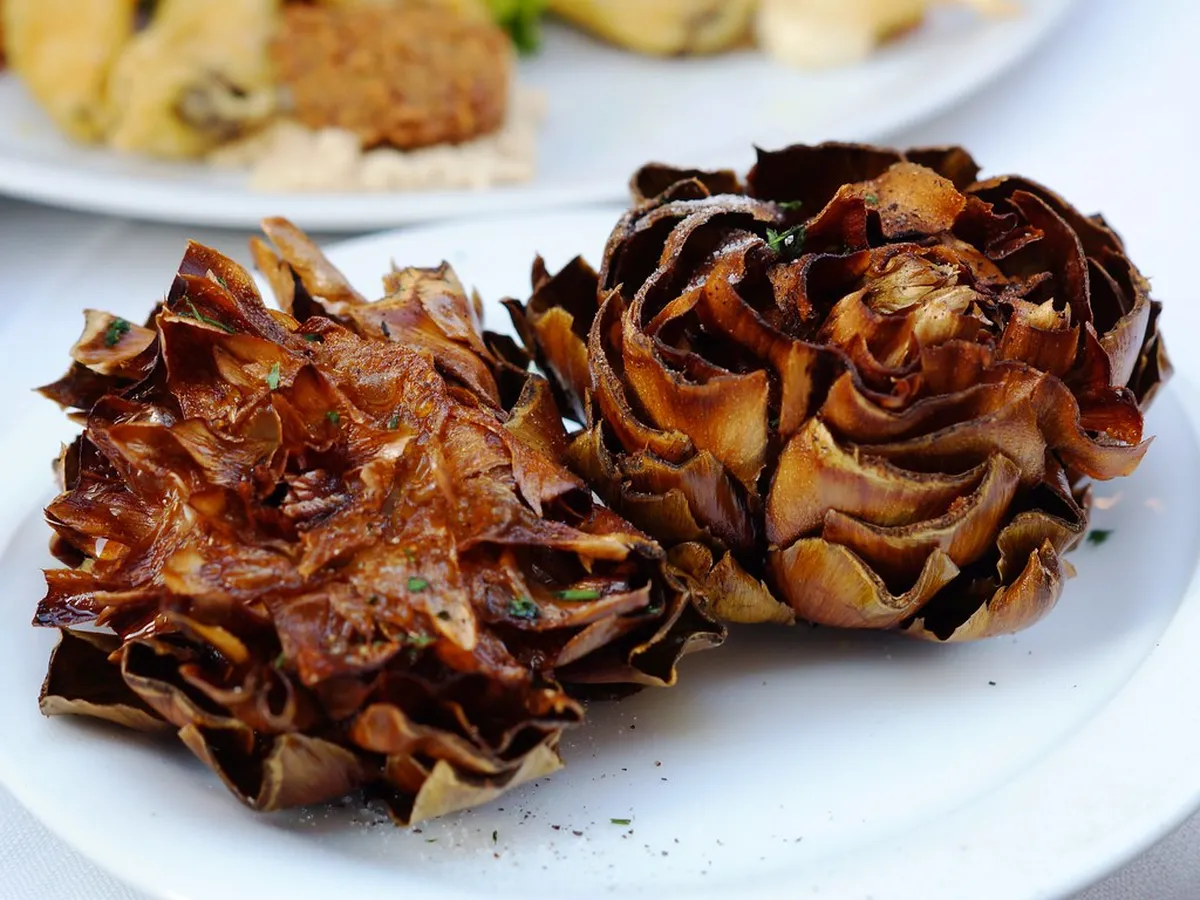
Seasonal specialities should drive your ordering during these periods. Easter week (Settimana Santa) brings Abbacchio al forno — slow-roasted milk-fed lamb with rosemary and garlic — to most Roman menus. Spring is also the correct season for artichokes: both Carciofi alla Romana (braised with mint and garlic) and Carciofi alla Giudia (deep-fried whole in the Jewish Ghetto style) are at their peak from March through May. In winter, look for Stracciatella soup (egg and cheese broth), hearty bean-and-pasta dishes like pasta e fagioli, and offal-forward Roman classics like coda alla vaccinara (oxtail stew).
August presents a different challenge: many neighbourhood trattorias close for two to four weeks during Ferragosto (15 August) when Roman families leave the city. Restaurants in the historic centre and hotel dining rooms typically remain open, but the neighbourhood gems in Testaccio, Pigneto, and Prati will often have a handwritten note on the door. If you are visiting in August, confirm operating status directly by phone before making the trip. According to the official Rome Tourism website, August is the lowest-footfall month for local restaurants, which means the ones that stay open often raise prices to compensate.
Neighbourhood Dining Guide: Walk-In vs. Book Ahead
One practical question that never gets answered clearly in most Rome dining guides is which parts of the city require advance reservations and which allow walk-ins. The answer depends almost entirely on neighbourhood, not price point. Understanding this prevents the frustrating experience of arriving at a restaurant you have been anticipating all day only to be turned away.
Restaurants that consistently require reservations two or more weeks ahead include any spot in the Roscioli family group, Felice a Testaccio, Armando al Pantheon, and Pierluigi. These are the city's most-cited authentic options, and demand has exceeded capacity for years. In Trastevere, the best-reviewed smaller trattorias (Da Enzo al 29, Tonnarello) operate on a walk-in basis for dinner but fill up by 8:00pm — arrive 30 minutes before opening and queue, or go on a weekday. In Testaccio and Pigneto, even popular spots can typically accommodate walk-ins before 8:30pm on weeknights in 2026.
The Jewish Ghetto and Monti neighbourhoods sit in between: most restaurants accept reservations but rarely enforce a two-week window. Calling the morning of or the day before is usually sufficient. The Vatican district and areas immediately adjacent to the Spanish Steps are the exception — most restaurants there do not take reservations because they rely on passing trade rather than repeat bookings, which is itself a red flag worth noting.
For more general trip planning context and a broader view of what the city offers, the Wikipedia article on Roman cuisine provides a clear overview of the historical and regional traditions behind the dishes you will encounter on every menu.
Frequently Asked Questions
Do I need to tip at restaurants in Rome?
Tipping is not required in Rome as service is often included in the bill or covered by the 'coperto.' However, it is polite to leave a few euros or round up the bill for exceptional service.
What time do Romans typically eat dinner?
Romans usually eat dinner between 8:30pm and 10:00pm. Most authentic restaurants do not even open their doors until 7:30pm, so plan your evening accordingly to match the local rhythm.
Are restaurants in Rome open on Sundays?
Many traditional trattorias close on Sundays or Monday lunchtimes to give staff a break. However, plenty of restaurants in the historic center remain open daily to accommodate the high volume of visitors.
Eating your way through Rome is one of the greatest joys of visiting the Italian capital. By following these recommendations, you can avoid the common pitfalls and enjoy truly world-class cuisine. Remember to book ahead and keep an open mind for new flavours like tripe or oxtail.
Whether you are grabbing a quick slice of pizza or sitting down for a long Sunday lunch, the quality of ingredients will always shine through. Rome's food scene continues to evolve in 2026, yet it remains deeply rooted in its ancient and humble history. Buon appetito as you discover your own favourite corner of this culinary city.
You might also like
Continue reading
More guides you'll find useful