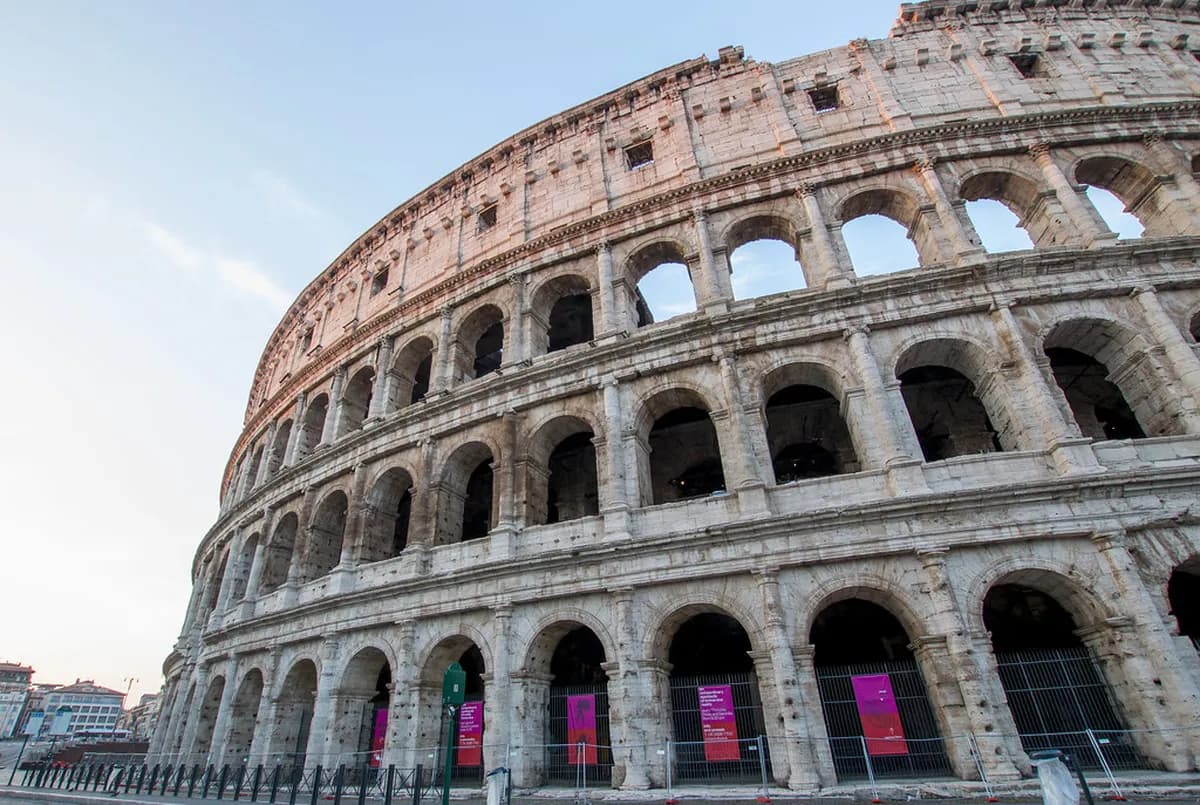
Rome in Summer: 8 Essential Tips for Heat, Crowds, and Packing
Master Rome in summer with our guide to beating the 95°F heat, avoiding peak crowds at the Vatican, and a complete seasonal packing list for July and August.
On this page
Rome in Summer: 8 Essential Tips for Heat, Crowds, and Packing
Rome in July and August is genuinely intense. Temperatures routinely hit 35°C / 95°F, queues at the Colosseum stretch back hundreds of meters by 9:00 AM, and the humidity can make cobblestone streets feel like a sauna. With the right plan, though, those long sun-soaked days reward you with opera under the stars, cold spritz by the Tiber, and ancient ruins almost to yourself before breakfast.
This guide focuses on the practical survival layer: how to book correctly, what to pack, how to dress for churches without melting, and which summer events are worth the effort. For a broader seasonal comparison, see our guide on the Best Time To Visit Rome: Seasonal Guide & Weather Tips and the month-by-month breakdown in our Rome Weather By Month: 17 Essential Seasonal Insights article.
Book Everything Well in Advance to Beat the Crowds
Spontaneity does not work in Rome during peak summer. Tickets for the Colosseum sell out weeks ahead, particularly for the combined Forum and Palatine Hill entry. The Pantheon now requires a timed-entry ticket booked online — walk-up queues are long and the entry fee is €5 for standard visitors. Book the moment your trip is confirmed, not the week before you fly.
The Trevi Fountain is free but permanently crowded from dawn to midnight in July and August. Visit before 7:30 AM or after 10:30 PM for photos without crowds six deep in every direction. The Galleria Borghese operates on strict 2-hour entry slots and limits visitors to 360 per session — it sells out months in advance during high season, so book directly on the official Borghese website as soon as reservations open.
A guided tour sometimes unlocks a skip-the-line channel at the Colosseum or Vatican. Verify this before paying: some "priority" tours simply guarantee a time slot, not a separate entrance. Always book via official ticketing portals (coopculture.it for the Colosseum, museivaticani.va for the Vatican) to avoid inflated reseller pricing, which can double the face value. For a full strategy, the Business Insider Rome survival guide covers advance booking lessons from repeat visitors.
Sit Out the Midday Heat at Strategic Indoor Locations
Between 1:00 PM and 4:00 PM the Roman sun is brutal. The smart move is to schedule your heaviest indoor museums for this window. The Capitoline Museums, the Borghese Gallery, and the Palazzo Massimo alle Terme all have strong air conditioning and world-class collections. This keeps the cooler morning and evening hours free for outdoor ruins and piazzas.
Underground sites are the hidden gem of a summer itinerary. The Basilica of San Clemente on Via Labicana descends through three layers of history: a 12th-century basilica, a 4th-century church, and a 1st-century Roman street. Temperatures underground sit around 15°C regardless of the surface heat — bring a light layer. The Jewish Catacombs of Villa Torlonia and the more famous Catacombs of San Callisto on the Appian Way offer the same natural refrigeration effect, typically a 1-hour visit that doubles as a heat escape.
Hydration is not optional. Rome has over 2,500 free public drinking fountains called nasoni — small curved cast-iron pipes found on almost every block in the historic center. Cold, pressurized drinking water flows continuously from each one. Carry a reusable bottle and refill it constantly. Our section below on the nasoni strategy covers how to use them most effectively.
Block the nasoni hole with your finger to divert water straight into a clean drinking jet — no cup needed. The water is fed from Rome's ancient aqueduct network and tested regularly. Splash your wrists and the back of your neck for immediate heat relief, as the wrist pulse point cools blood circulation quickly.
Spring for the Pre-Opening Vatican Tour to Avoid the Crush
The Vatican Museums are notoriously crowded and poorly ventilated in summer. Standard entry from 9:00 AM onward turns the Sistine Chapel into a shoulder-to-shoulder shuffle. The solution is the Vatican's own "Early Access" or "Prime" tours that begin at 7:30 AM — a full 90 minutes before the public doors open. Book directly at museivaticani.va and look for the "Musei Vaticani di Prima Mattina" option.
Entering early lets you walk the Raphael Rooms and reach the Sistine Chapel with genuine breathing room. The air inside is fresher, the light is better, and the guards are less frantic. By the time the main queues begin moving at 9:15 AM you will already be in St. Peter's Basilica. The premium for these early tours is roughly €10–15 above the standard €20 entry price, but most visitors rate it the single best money they spend in Rome during summer.
If the 7:30 AM slot is booked out, a second window opens with the Vatican's evening tours running 19:00–23:00 on select summer Fridays. These are sold as a separate experience and include the Sistine Chapel under dramatically different lighting. Check the official Vatican Museums calendar in 2026 for confirmed dates, as scheduling varies year to year.
The Nasoni Strategy: Rome's Free Hydration Network
Every visitor hears "drink from the fountains" as throwaway advice. What most guides skip is how to actually use a nasoni effectively and how to find the closest one when you are overheating at the Circus Maximus at 2:00 PM. The water flows continuously from the spout. To drink directly, block the hole at the end of the pipe with your finger — this diverts the water straight up into a clean drinking jet. No cup needed. The water is fed from Rome's ancient aqueduct network and is tested regularly by ACEA, Rome's water utility.
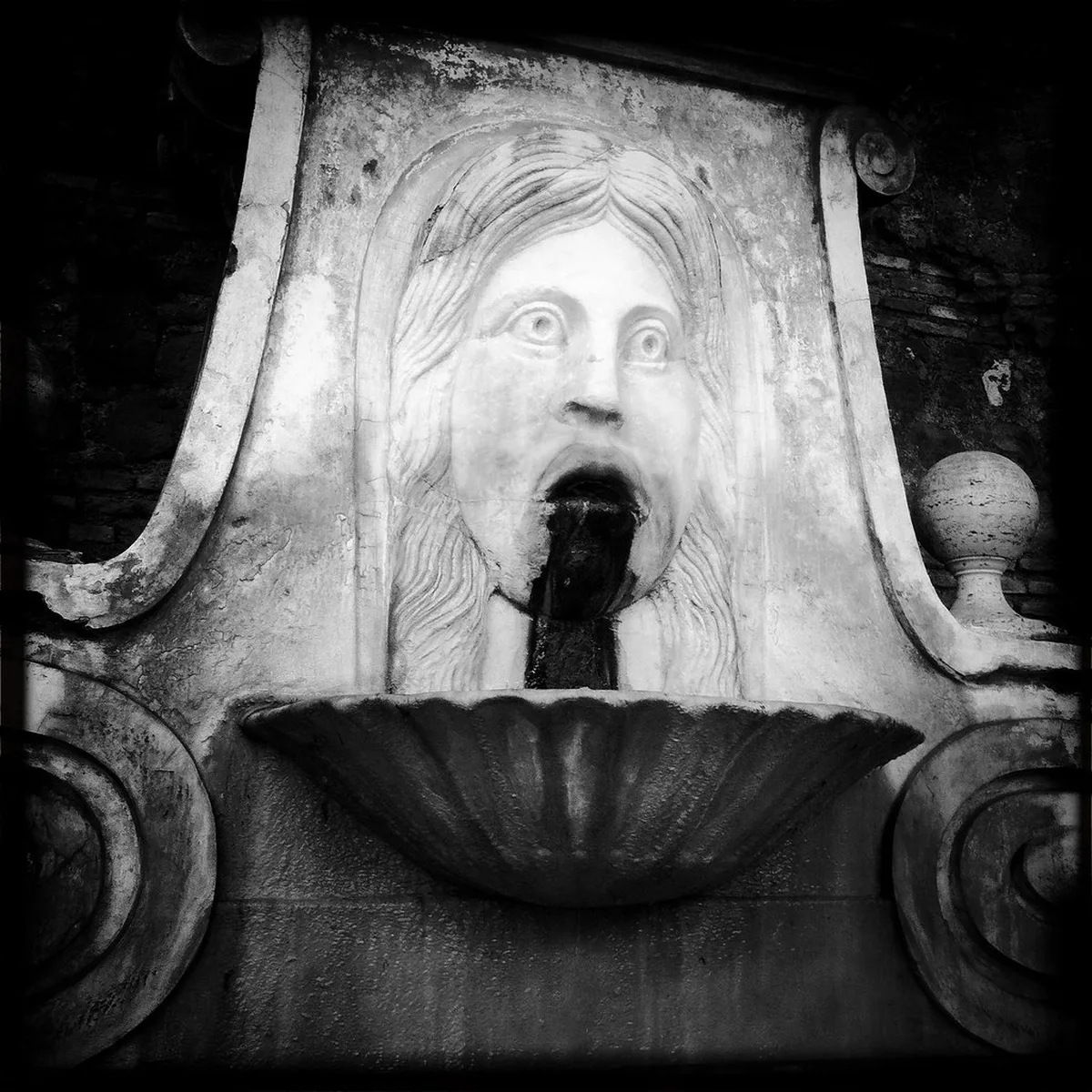
The Comune di Roma publishes an official interactive map of all nasoni locations at comune.roma.it. Alternatively, the app "WayOut" (available for iOS and Android) has an offline-capable nasoni layer that works without data. In the tourist center — Trastevere, the Trevi area, and near the Pantheon — you will rarely be more than 100 metres from an active fountain. Note that fountains marked with a red circle sticker are temporarily out of service; these are flagged on the official map as well.
Beyond plain water, some nasoni near markets double as useful cooling stations. Splash your wrists and the back of your neck with the cold water for immediate relief — the wrist pulse point cools the blood passing through it quickly. Pack a small cooling towel (a tech-fabric item that stays cold for hours when wet) to complement the nasoni stops on long afternoon walks.
Manage Your Expectations for the Hop-On, Hop-Off Bus System
Open-top buses look attractive on paper. In practice, Rome's summer traffic means these vehicles routinely sit motionless for 20–30 minutes in the same spot near the Colosseum or along Corso Vittorio Emanuele. The upper deck offers zero shade and the full force of 35°C sun. The lower deck's air conditioning is frequently underpowered or switched off to reduce fuel costs on hot days.
Walking through shaded side streets is faster for most routes between landmarks. The Metro Line A connects Termini, Spagna (Spanish Steps), and Ottaviano (Vatican) in under 10 minutes — air-conditioned carriages, €1.50 per ride. Line B serves the Colosseum at Colosseo station. These two lines cover the majority of tourist movement. For longer cross-city trips, ATAC trams running on dedicated rails avoid most traffic congestion better than buses.
If you want a guided tour with mobility and shade, a small electric golf-cart tour operates through the historic center and can navigate lanes inaccessible to full buses. This gives you the commentary and shade of a closed vehicle without the traffic problem. Save the Hop-On bus for early morning (before 8:30 AM) when traffic is light, if you specifically want the aerial panorama from the top deck.
Essential Summer Packing List: What to Bring to Rome
The Roman cobblestones — sampietrini, the small square stones covering most of the historic center — are brutal on feet. Your footwear choice matters more than anything else in your suitcase. Wear-tested walking sandals from brands like Ecco, Merrell, or Birkenstock Gizeh (with a back strap) are the local standard. Flip-flops collapse on uneven stone within a day and offer no support for 20,000-step walking days. Break in new shoes fully at home before you arrive.

Fabric choice determines how comfortable your days actually feel. Linen and cotton breathe and absorb moisture. Merino wool is counterintuitive but technically strong — it wicks sweat and resists odor through multi-day wear without synthetic smell. Synthetic performance fabrics (polyester, nylon) trap heat and develop odor quickly in 90% humidity. Below is a quick-reference comparison for the three main fabric groups:
- Linen: best breathability, dries fast, slightly wrinkled appearance — ideal for daytime sightseeing and evening dining in Rome's heat
- Merino wool: excellent moisture-wicking, odor-resistant for multi-day trips, more expensive — best for travelers packing light for a week or more
- Synthetic tech fabrics: lightweight and quick-dry but trap body heat and develop odor in high humidity — reserve for active hiking only, not full city days
Other essentials specific to a Roman summer: a compact reusable bottle (500ml fits easily in a day bag), a wide-brim hat or a packable sun cap, SPF 50 sunscreen (pharmacies sell it everywhere but at higher prices than home), a lightweight portable charger (your phone's maps, tickets, and translation apps drain battery fast in heat), and a small crossbody bag that sits close to the body to deter pickpockets in crowded tourist areas.
How to Dress for Rome in July: Church Dress Code and Style
Rome enforces its dress code at every major church without exception. St. Peter's Basilica, Santa Maria Maggiore, San Giovanni in Laterano, and San Paolo fuori le Mura all require covered knees and covered shoulders on entry. Security guards at St. Peter's physically block visitors wearing shorts, tank tops, or sleeveless dresses. The fine for ignoring this at smaller churches is typically €25. Keep a lightweight linen scarf in your daypack at all times — it weighs nothing and solves the problem in three seconds.
The Romewise July packing guide from a local B&B owner recommends capri-length cotton trousers or loose linen midi skirts as the most practical combination: cool enough for 35°C streets, long enough to walk straight into any church. Men wearing shorts should carry a pair of thin linen trousers that fold into a bag — convertible zip-off trousers are a functional if unstylish option for church-heavy days.
Italians dress well even in heat, but they do not expect tourists to match them exactly. The practical standard is neat and intentional: fitted linen shirt or quality cotton tee, clean shoes, no sportswear logos. Sunglasses and a good hat are universal. Evening dress upgrades slightly — Romans change before aperitivo around 7:00 PM, so a clean linen shirt or a light summer dress works for most restaurants and the opera at Caracalla. For a detailed view of what to wear by neighborhood and activity, the Rome In Winter Travel Guide guide covers the layering logic that applies in reverse for summer evenings.
Top Summer Events: From Opera to Riverside Aperitivos
The Teatro dell'Opera di Roma moves its summer season to the Baths of Caracalla, one of the most dramatic outdoor concert venues in the world. Watching a full opera production — sets, costumes, and live orchestra — inside a 3rd-century Roman bath complex is a genuinely unrepeatable experience. The 2026 season runs from late June through early August. Book via operaroma.it directly; seats start around €25 for upper tiers and reach €150 for premium stalls. Bring a scarf: the stone bleachers catch a breeze and can feel cooler than you expect after sundown.
Lungo il Tevere is the city's summer riverside festival, running from mid-June to late August along the Tiber embankment between Ponte Sisto and Ponte Cavour. White tents house local bars, food stalls, artisan markets, and live music stages. The spritz-and-sunset crowd fills the terrace bars from around 7:00 PM. Entry is free; drinks cost standard bar prices (€6–8 for a Campari spritz in 2026). Find more curated 12 Best Things to Do in Rome across all seasons in our pillar guide.
Outdoor cinema is another Roman summer staple. Cinema in Piazza (run by the Cinema America collective) screens films in San Cosimato square in Trastevere on summer evenings — admission is typically €3. The Isola del Cinema festival projects films on the Tiber Island, one of the most atmospheric venues in the city. Both programs show films in their original language with Italian subtitles. The Shakespeare Globe Theatre inside Villa Borghese runs an English-language season from late June into September, with tickets around €15–25.
Local Summer Activities: Parks, Rooftops, and Early Mornings
When the tourist center becomes too dense, Romans migrate to their parks. Villa Borghese is the obvious choice — umbrella pines provide genuine shade, the lake has rowing boats for hire (€3 per 20 minutes), and free yoga classes run on the grass on weekend mornings. Villa Pamphilj in the Gianicolense neighborhood is larger and far less touristy, with wide cycling paths and a Sunday-morning farmers' market. Both parks are coolest before 9:00 AM and after 5:30 PM.
Rooftop bars offer a different kind of summer escape. The rooftop at the Orange Hotel (Trattoria sul Tetto) near St. Peter's is a reliable quieter option compared to the packed hotel rooftops near the Trevi Fountain. The Pincio Terrace at the northern edge of Villa Borghese is free, faces west, and delivers one of Rome's best sunset views over the domes and rooftops — locals gather there from about 7:30 PM in summer. No entry fee, no reservation needed.
Early starts genuinely transform the summer experience. The Colosseum arena floor at 8:00 AM, before the tour groups arrive, is a different place from the same site at noon. The Piazza Navona at 7:00 AM has a handful of locals walking dogs and no aggressive caricature artists. The Spanish Steps at dawn are empty. In Rome during summer 2026, the delta between a 7:00 AM visit and a 10:00 AM visit to the same landmark is larger than at almost any other destination in Europe.
Ferragosto: What Closes in August and When
Ferragosto on August 15th is a national holiday marking the height of summer and the Feast of the Assumption. For tourists this sounds harmless; in practice it means the city loses most of its local population for two full weeks. Many family-run trattorias, neighbourhood bars, laundries, pharmacies, and small shops close from August 10th to August 26th. A "Chiuso per ferie" (closed for holidays) sign appears in windows all across the historic center and every residential neighborhood.
Major state museums, the Vatican, the Colosseum, and the large hotel restaurants remain open throughout August — the tourist infrastructure is designed around summer visitors. However, the restaurants still trading during Ferragosto often skew toward tourist menus at inflated prices. The practical fix is to identify two or three restaurants near your accommodation that stay open, check their hours before your trip, and book dinner in advance for August 14th and 15th specifically, when demand is highest.
The upside of mid-August in Rome is real: the city is quieter than any other summer week, traffic is minimal, and even the Colosseum queues shorten slightly as Italian domestic tourists leave for the coast. The buses run a reduced schedule on August 15th itself — plan for walking or taxis on that specific day. If your trip straddles Ferragosto, read our Best Time To Visit Rome: Seasonal Guide & Weather Tips guide for the full seasonal trade-off analysis.
Many family-run trattorias, neighbourhood bars, and small shops close from August 10–26 during Ferragosto. Book dinner reservations well in advance for August 14–15. Major museums, the Vatican, and the Colosseum stay open, but plan for walking or taxis on August 15th itself when bus schedules are reduced.
Frequently Asked Questions
Is Rome too hot to visit in July?
Rome is very hot in July with temps reaching 35°C / 95°F. You can manage the heat by sightseeing early and staying hydrated. Many museums provide air conditioning for a midday escape.
What should I wear to the Vatican in summer?
You must cover your shoulders and knees to enter the Vatican. Light linen trousers and a t-shirt work well for most visitors. Carry a light scarf to wrap around your shoulders if wearing a tank top.
Are shops closed in Rome during August?
Many local shops and family restaurants close for two weeks around August 15th. Major tourist attractions and large stores remain open for visitors. Always check specific restaurant hours before visiting in late summer.
Visiting Rome in summer requires a blend of patience and preparation. The heat and crowds are significant, but the rewards are equally great — opera under a 3rd-century sky, cold water from ancient aqueduct pipes, and ruins that glow amber in the long evening light. Focus on early starts, underground cool-downs, and pre-booked tickets for everything that matters. With these strategies, your Roman summer will be genuinely unforgettable.
You might also like

Continue reading
More guides you'll find useful