Rome In Winter Travel Guide
Plan your trip to Rome in winter with our expert guide. Includes December weather, packing lists, Christmas market tips, and how to avoid the crowds at the Colosseum.
On this page
Rome In Winter
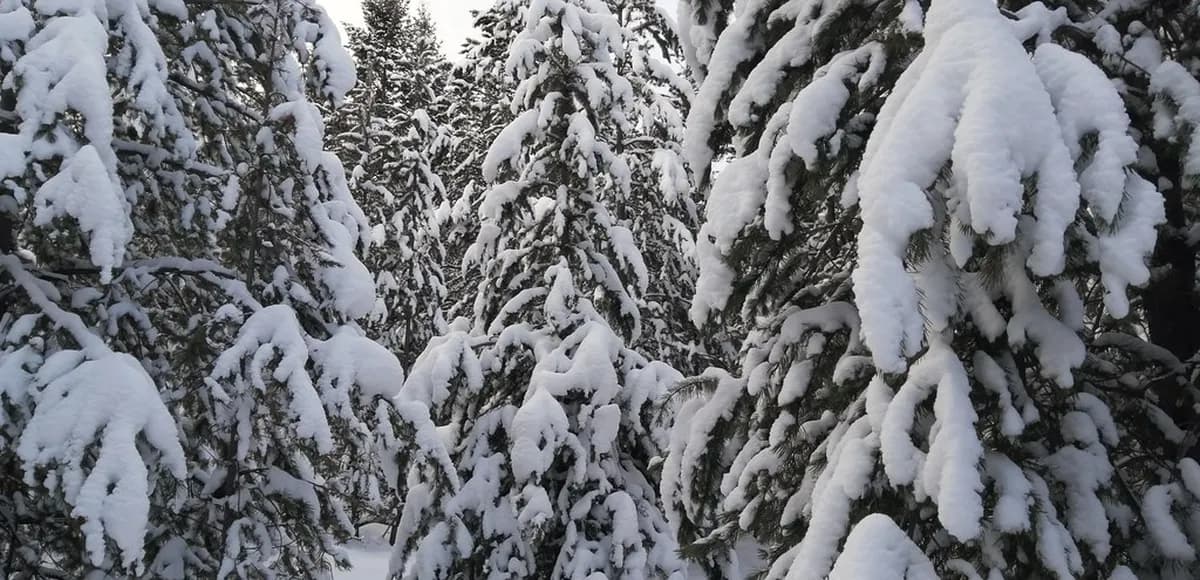
Rome transforms into a serene and magical landscape during the colder winter months. The heavy crowds of summer vanish and leave behind a city full of local charm. You can walk through ancient streets without the typical noise of peak tourist season. Winter offers a unique perspective on the Eternal City that few travelers ever see.
Crisp air and festive lights create a cozy atmosphere perfect for exploration. Many iconic landmarks feel more intimate when you have the space to breathe. This guide covers everything from weather patterns and packing essentials to the best seasonal activities and how to navigate the city after midnight.
Rome's Winter Weather and Temperature Averages
Rome's winter is milder than most northern Europeans expect. December starts relatively mild, with daytime temperatures averaging 14–16°C and overnight lows around 6–8°C. By late December and into January, daytime highs drop to 10–12°C and nights can dip to 3–5°C. February is typically the coldest month, though snow in the city center is rare — there have been only two significant snowfalls since 2001, both in February.
Rain is the main weather challenge rather than extreme cold. November and December see the most precipitation, but showers tend to be brief rather than sustained all-day downpours. January and February are drier and often deliver crisp, clear blue-sky days that are perfect for outdoor sightseeing. Check a 10-day forecast before you go and plan at least one indoor-heavy day as a contingency.
The shorter daylight hours matter for planning. Sunrise is around 07:35 in December and sunset by 16:40. That gives you roughly nine hours of usable light, so front-loading outdoor sites in the morning and shifting to museums or churches after 14:00 is the smart approach. For a deeper look at how conditions shift across the year, the Rome Weather By Month: 17 Essential Seasonal Insights breakdown covers each period in detail.
Must-See Rome Attractions in the Quiet Season
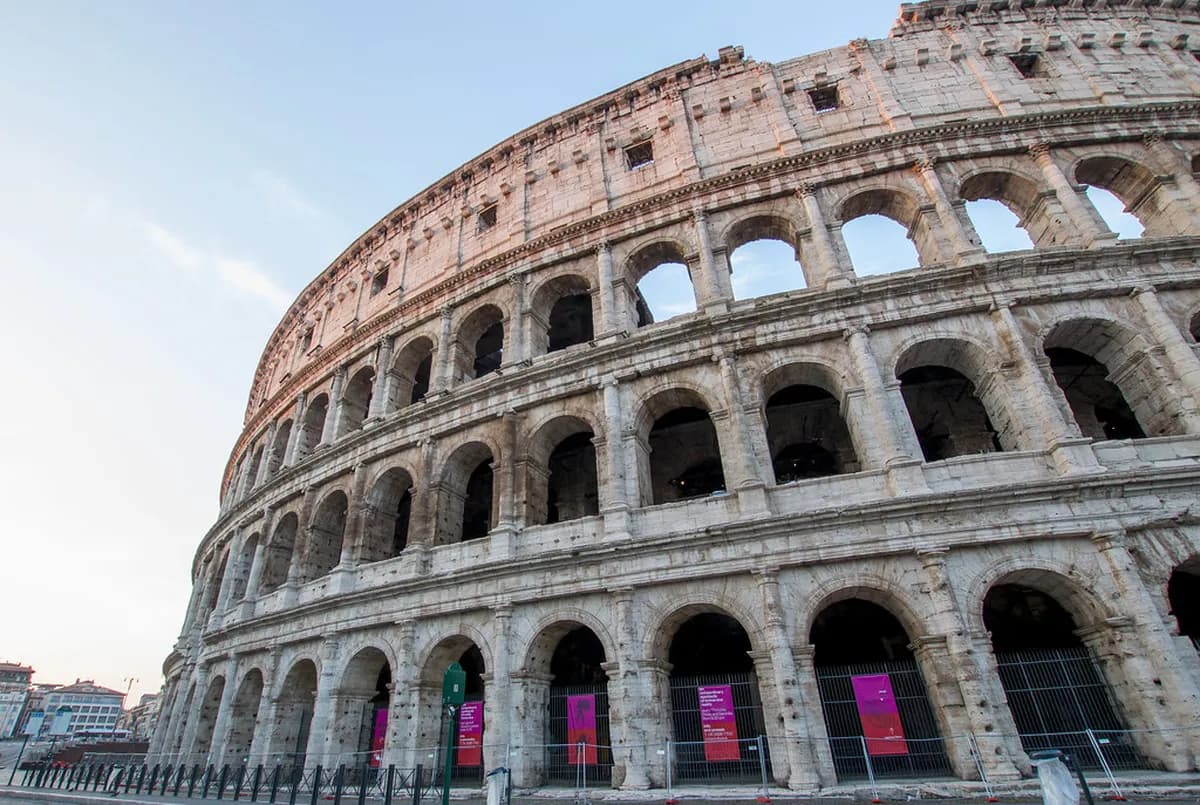
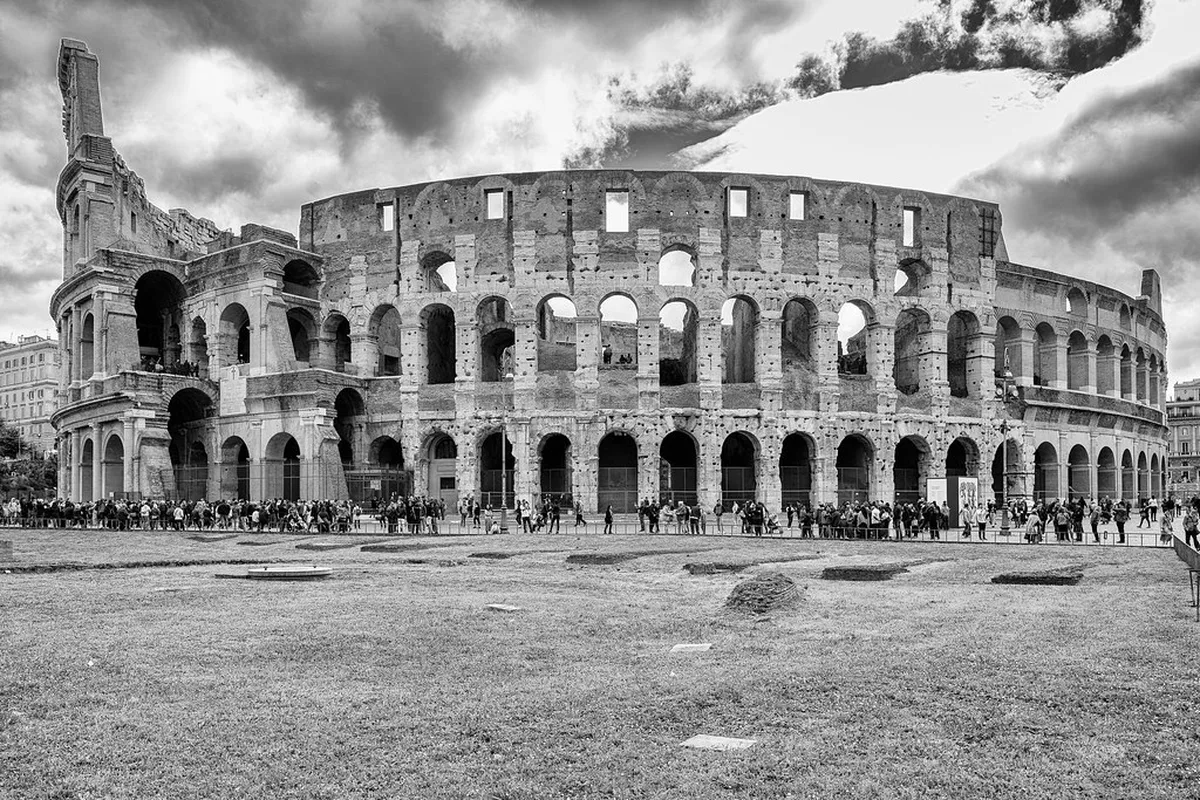
The biggest advantage of visiting during winter is the absence of long ticket queues. You can learn How to Visit the Colosseum: 7 Essential Planning Steps without fighting thousands of other tourists. The ancient arena feels much more powerful when the surrounding stone corridors are quiet. Photographers will appreciate the soft winter light that hits the ruins at midday.
A standard Colosseum ticket costs €18 in 2026 and includes access to the Roman Forum and Palatine Hill — valid for 24 hours so you can split the visit across two days. Buy online at the official Colosseum site to avoid any queue at the box office. In winter you will frequently walk straight in. The 24-hour validity means you can see the Forum at dawn and the Colosseum interior after lunch.
Winter crowds at major landmarks are 80–90% lower than peak summer. You'll often walk straight into the Colosseum, Pantheon, and Vatican without waiting more than a few minutes. This means more time for photography, reading inscriptions, and absorbing the atmosphere without the noise of thousands of tourists.
The Trevi Fountain remains a centerpiece of Roman beauty even in the chilly air. Visiting late at night or early in the morning provides a truly private moment. Note that Rome introduced a timed-entry fee for the Trevi Fountain area — check the current rate on the official Rome tourism site before you go, as it has been phased in for peak hours. The surrounding cobblestone streets around the fountain sparkle under the golden glow of the city lamps.
The Pantheon is another site that shines during the shorter winter days. Rain occasionally falls through the oculus and creates a misty dance on the floor. This natural phenomenon is a rare sight that summer visitors usually miss entirely. Walking through the Roman Forum in winter feels like stepping back in time, and the lack of intense heat makes the extensive outdoor walking far more comfortable.
Museums, Art, and Culture: Escaping the Winter Chill
Indoor attractions become essential when the Roman wind picks up. You should prioritize visiting the Vatican during these quieter months. The Sistine Chapel is far more peaceful when the room is not packed. Winter visitors often find they can linger longer in front of famous masterpieces without being jostled.
Underground tours offer a perfect escape from the rain or cold temperatures. The Sotterranei e Archeologia del Lazio — known as SEALs — provide guided access to hidden Roman ruins beneath the city streets. These tours take you into ancient houses, temples, and cisterns that are inaccessible on a standard visit. The temperature underground remains a steady 14–15°C regardless of conditions above, making them genuinely comfortable on a wet afternoon. Tours run from roughly €15–25 per person and must be booked in advance through the SEALS website or via tour aggregators. They operate on weekends year-round and on selected weekday slots in winter.
Galleria Borghese is an excellent indoor choice for art lovers. The museum limits entry to 360 visitors at a time, so the experience always feels calm and high-end. You must book tickets weeks in advance because the two-hour slots fill quickly. Seeing Bernini's sculptures in a quiet room is a highlight of any trip to Rome.
Palazzo Spada offers a fascinating look at Baroque optical illusions and architecture. The perspective gallery by Borromini is a short but memorable indoor stop and charges a modest entry fee. It is a great place to take shelter from a sudden afternoon shower. The small museum inside also houses a lovely collection of Renaissance paintings.
Holiday Opening Times and What Closes When
This is where winter planning catches visitors off guard. Italian public holidays cluster in late December and early January, and closures are not always consistent across sites. Understanding which days things shut before you book saves real frustration.
As a general rule for 2026: the Colosseum, Roman Forum, and Palatine Hill close on 25 December and 1 January but remain open on 24, 26, and 31 December (often with reduced hours). The Vatican Museums close on 25 December and 1 January. The Pantheon follows the same pattern — closed on Christmas Day and New Year's Day. Galleria Borghese also closes on 25 December and 1 January. Always verify the exact schedule at the official site of each attraction in the week before your visit, as hours can shift by 30–60 minutes during the holiday window.
Major attractions close on 25 December (Christmas) and 1 January (New Year's Day). Plan your itinerary to skip these dates for ticketed sites, or spend them exploring free churches, piazzas, and outdoor viewpoints. If traveling during 24–27 December, confirm hours directly with each museum — many offer reduced or unusual opening times that differ from the standard holiday rules listed above.
| Attraction | Dec 25 (Christmas) | Dec 26–31 | Jan 1 (New Year) | Jan 2+ (Regular) |
|---|---|---|---|---|
| Colosseum, Roman Forum, Palatine Hill | Closed | Open (often reduced hours) | Closed | Open |
| Vatican Museums | Closed | Open (often reduced hours) | Closed | Open |
| Pantheon | Closed | Open (often reduced hours) | Closed | Open |
| Galleria Borghese | Closed | Open (book ahead) | Closed | Open (book ahead) |
| Palazzo Spada | Closed | Open | Closed | Open |
Smaller churches and local museums may close entirely from 24 to 27 December. Many restaurants close on Christmas Day but reopen for a special New Year's Eve dinner service with set menus. Shops along Via del Corso typically close on 25 December but open for the post-Christmas sales from 26 December onward. The saldi (winter sales) officially begin in early January and run through February — if you plan to shop, the first two weeks of January are the optimal time.
For families, the Feast of La Befana on 6 January is a national holiday when many attractions also have reduced hours. Plan an unstructured day around the festive street events in Piazza Navona and save the ticketed sites for the days before or after.
What to do in Rome in winter?
Winter in Rome offers events that you simply cannot experience in the summer. Piazza Navona hosts its traditional Christmas market from early December through 6 January. You can browse handmade ornaments and local crafts, smell roasted chestnuts by the famous fountains, and find unusual souvenirs without paying an entry fee. The market stays lively into the evening and pairs well with dinner in the surrounding neighborhood.
Ice skating rinks appear in several locations around the city during December. The rink near Castel Sant'Angelo offers a stunning backdrop for an evening skate. Hot cocoa stands are nearby to warm you up afterward. The legend of La Befana brings joy to children across the entire city in early January — events celebrating this tradition take place in many public squares and parks.
The Carnival celebration in February brings colorful parades and costumes to the streets. Via del Corso often hosts lively performances that entertain both locals and tourists. It is a festive time that highlights the playful side of Roman culture. The winter season is also peak time for opera and theater: Teatro dell'Opera di Roma has a full schedule of world-class performances, and attending a show is a sophisticated way to spend a cold Roman evening.
The Best Time To Visit Rome: Seasonal Guide & Weather Tips depends on what you want from the city. Winter delivers peace, authenticity, and some of the best light for photography — but requires flexibility around the holiday calendar.
Rome's winter weather makes Christmas shopping a treat
Shopping enthusiasts should plan their visit to coincide with the winter sales. The famous saldi begin in early January and offer deep discounts of 30–50% on fashion across the city. Via del Corso becomes a bustling hub for bargain hunters, with both luxury and high-street stores participating.
The Monti neighborhood is the best place for vintage finds. This district is full of independent boutiques and unique artisan jewelry shops. It is a great area to find one-of-a-kind gifts that are not mass-produced. The narrow streets are decorated with charming lights that enhance the winter mood considerably.
Luxury shoppers should head to the streets near the Spanish Steps. Via dei Condotti features the biggest names in Italian and international high fashion. Even window shopping is worth the walk — the displays are incredibly artistic and the area is beautifully lit throughout the entire season. Note that the Spanish Steps themselves now have police presence to enforce the sitting ban, so plan to pause, photograph, and move on.
From eating spiritual food to enjoying Italian cuisine
Winter is the best time to sample heavy and comforting Roman pasta dishes. 20 Best Foods to Eat in Rome: The Ultimate Local Guide changes with the season, and winter brings some of the city's finest produce. Carciofi alla Giudia (fried artichokes from the Jewish Ghetto) and Carciofi alla Romana (braised artichokes with mint and garlic) are at their peak from November through March. These crispy and fragrant dishes are a genuine taste of Roman winter cooking.
Cozy enotecas are the natural habitat for cold evenings in the Eternal City. Ai Tre Scalini in Monti (Via dei Serpenti, 65) is a perfect spot for a glass of local red wine. The warm wood interiors and candlelit tables create an inviting atmosphere on cold nights. Baccanale on Piazza Campo de Fiori offers artichokes for around €5 and pasta carbonara for €12 — solid value in a lively square that has a morning flea market. Typical meal costs in Rome run about €12–15 for pasta, €8–10 for pizza, and €1–2 for a standing espresso at the bar.
Italian hot chocolate is much thicker and richer than the version served elsewhere. It is almost like drinking warm pudding and is deeply satisfying in January. Many historic cafes near the Pantheon serve this treat with fresh whipped cream. It is the ultimate way to warm your hands after a long walk. Note that most Roman establishments follow strict meal hours: lunch runs 12:30–15:00 and dinner 19:30–22:00, with many closing for siesta in between.
Where to stay in Rome: which neighborhood works best in winter
The right neighborhood significantly affects your winter experience. Rain and wind make long walks between sites uncomfortable, so proximity to Metro lines becomes more important than in summer. Rome has two main Metro lines — A and B — and their intersecting hub at Termini Station is the practical center of the city's public transport network.
Prati, directly northwest of the Vatican, is the top choice for first-timers in winter. It sits on Metro Line A (Ottaviano stop) which connects directly to the Spanish Steps, Barberini, and Termini. The neighborhood has excellent shopping along Viale delle Milizie, quieter streets than the tourist core, and multiple wine bars and trattorias. Walking to St. Peter's Square takes under 10 minutes even in light rain. Hotels here are typically mid-range and good value compared to the historic center.
Trastevere offers a more atmospheric stay with winding medieval lanes and some of Rome's coziest restaurants, including Ristorante Carlo Menta on Via della Lungaretta (pasta and pizza for around €20 per person). The trade-off is a lack of a Metro stop — the nearest is Roma Trastevere on the FR line, not the city's two main Metro lines. For a winter visit centered on the Colosseum and the Vatican, you will rely more on buses and trams, which slow down in rain. Trastevere works best if your itinerary is concentrated in that central-south zone.
Avoid hotels directly around Termini Station unless the price is dramatically lower. The immediate surroundings are busy and impersonal. If budget dictates Termini, aim for hotels one to two blocks away — connectivity is the same but the street experience is significantly better. For a full breakdown of the city's districts, the Rome travel guide covers each area in context.
Packing for Rome in December - what to bring and how to dress
Dressing in layers is the most effective strategy for the Roman winter climate. Mornings can be quite chilly while the afternoons might feel surprisingly mild. A stylish waterproof coat is essential for both warmth and protection from rain. A detachable fleece lining gives you three configurations in one jacket — practical when temperatures swing from 5°C at 08:00 to 13°C by 14:00.
Comfortable waterproof shoes are non-negotiable for walking on wet cobblestones. The stones become very slippery when it rains in the city center. Avoid thin canvas sneakers if you plan to be outside for hours. A sturdy pair of leather or waterproof hiking boots will keep your feet dry and warm across a full day of sightseeing. Break them in before you travel — blisters on ancient stone streets are a miserable souvenir.
Do not forget to pack a scarf, light gloves, and a winter hat. Italians love their scarves and they are a practical way to stay warm at the neck, which loses heat quickly. A compact travel umbrella fits into any daypack and protects you from sudden afternoon showers. Bring two pairs of shoes so you can alternate and let one dry overnight. Quality walking socks matter as much as the shoes themselves — wool or merino blend socks reduce fatigue significantly over long days on hard stone surfaces.
How to get from Fiumicino Airport to the center of Rome
Understanding your transport options from Fiumicino is essential, especially since winter flights often arrive late. The airport sits 30 km from the city center, and the right choice depends on your arrival time and budget. Getting Around Rome: The Ultimate 2026 Transport & Walking Guide starts with mastering this airport connection.
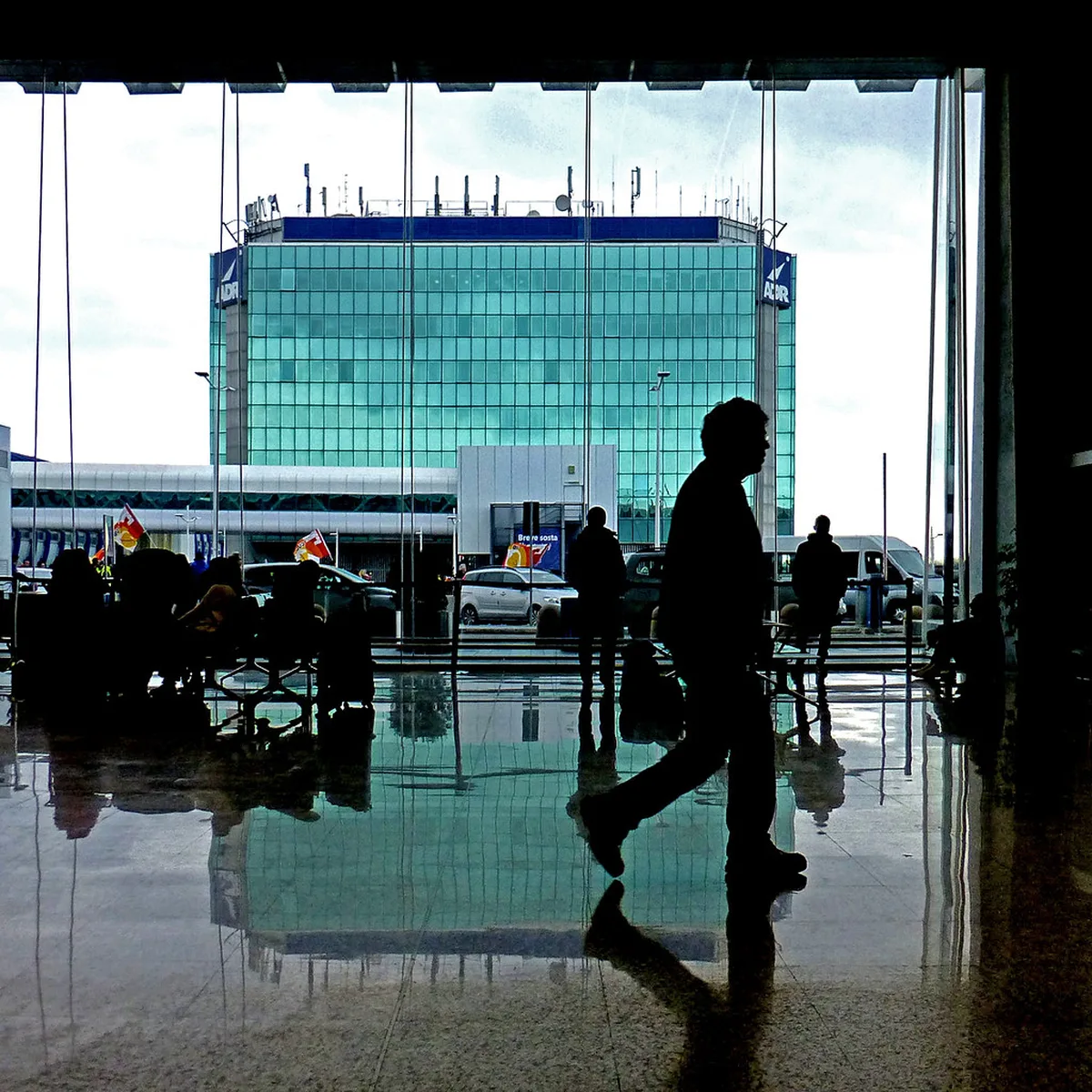
The Leonardo Express is the fastest daytime option. It runs from Fiumicino directly to Roma Termini every 15 minutes from 06:23 to 23:23. The journey takes 32 minutes and costs €14 per adult (children under 12 travel free with a paying adult). Buy tickets online at Trenitalia or from machines at the station — you can pay by card. If you are staying near the Vatican, the regional FR train (Fara Sabina line, €8) stops at Roma Trastevere and Roma Ostiense, which are more convenient and cost half as much, though the journey takes longer.
Shuttle buses — Terravision and SITBusShuttle — cost around €8 one-way or €6 each way on a return ticket, running to Roma Termini. SITBusShuttle makes a stop near the Vatican, making it the best choice for Prati-based hotels. Budget at least 60–90 minutes due to city traffic. Buses depart from Terminal 3 platforms 12–14 at Fiumicino.
Nighttime arrivals after 23:30 require a different plan since the Leonardo Express stops running. The Cotral bus runs through the night on a limited schedule — from Piazza dei Cinquecento (opposite Termini) at 01:45, 03:45, and 05:45 on weekdays, stopping at Tiburtina, Cornelia, and Eur-Magliana. Check the Cotral website for the current timetable. An official white taxi from Fiumicino to the city center costs a fixed rate (typically €50–55 within the Rome ring road) — confirm the flat rate before the journey starts. For a group of four the taxi works out cheaper than four separate bus tickets late at night and saves significant time.
Parks, Viewpoints, and Outdoor Spots in Winter
Rome is one of the greenest cities in Europe even in winter. The Janiculum Hill offers the best panoramic views of the entire city skyline, and winter air is often clearer than summer air. You can see the dome of St. Peter's Basilica standing out sharply against a blue January sky. The Aqua Paola fountain at the top is as impressive as the Trevi Fountain but draws a fraction of the crowds — a genuinely under-visited gem.
Pincio Hill above Piazza del Popolo offers another strong vantage point and connects to Villa Borghese. The park is still pleasant in winter for a morning walk before the museums open. Orange trees in the Savello Park on the Aventine Hill provide a splash of colour against grey winter skies. From Capitol Hill, Michelangelo's piazza gives you a view directly down onto the Roman Forum ruins — one of the best free angles in the city.
The Aventine Keyhole is a quirky outdoor stop that requires no entry fee. Peering through the small gap in the Knights of Malta gate reveals a perfectly framed view of the Vatican dome. Lines are significantly shorter during winter. It sits in a quiet residential neighborhood ideal for a stroll between heavier sightseeing days.
Family-Friendly and Budget-Friendly Options for Winter
Families will love the festive spirit that lingers through early January. The legend of La Befana brings joy to children across the entire city. She is a folkloric old woman who delivers sweets to children on the morning of 6 January. Events celebrating this tradition take place in Piazza Navona and many other squares in the days leading up to the feast.
Free walking tours are available throughout the winter and cover various city districts. These tours are a great way to orient yourself without spending money on the first day. Guides often share local insights about where to find cheap, quality food. Be sure to tip your guide generously at the end of the walk.
The Pantheon is free to enter on the first Sunday of each month. Many smaller churches — including Santa Maria Sopra Minerva with Michelangelo's Christ sculpture inside — are always free. Rome's countless piazzas cost nothing to explore and are particularly photogenic under winter light. A family day covering viewpoints, a free church, and a picnic from a neighborhood alimentari can come in well under €30 total.
Frequently Asked Questions
Does it rain often in Rome during winter?
Rome does experience rain during the winter months, especially in November and December. However, showers are often brief rather than lasting all day. It is smart to have an indoor backup plan for your afternoons. You can find many 18 Best Free Things to Do in Rome: A Budget Guide indoors.
What clothes should I pack for Rome in December?
You should pack warm layers including sweaters, a waterproof coat, and comfortable leather boots. A scarf is essential for blending in with the locals and staying warm. Temperatures usually range from 4 to 13 degrees Celsius. Always bring a small umbrella for sudden rain.
How to get from Fiumicino Airport to Rome at night?
If you arrive after midnight, the Leonardo Express train will no longer be running. Your best options are taking an official white taxi or booking a private car. Taxis from Fiumicino to the city center have a fixed flat rate. Always confirm the price before the car starts moving.
Rome in winter is a hidden gem that offers peace and festive magic. You will enjoy shorter lines and a more authentic look at local life. The combination of hearty food and crisp air makes for a cozy trip. Planning ahead for weather and holiday hours ensures a smooth Roman holiday.
Embrace the slower pace of the city and enjoy the quiet monuments. The Eternal City remains beautiful regardless of the temperature or the season. Winter travel allows you to see the real Rome without the summer stress. Start booking your winter adventure to experience this magical time for yourself.
You might also like
Continue reading
More guides you'll find useful