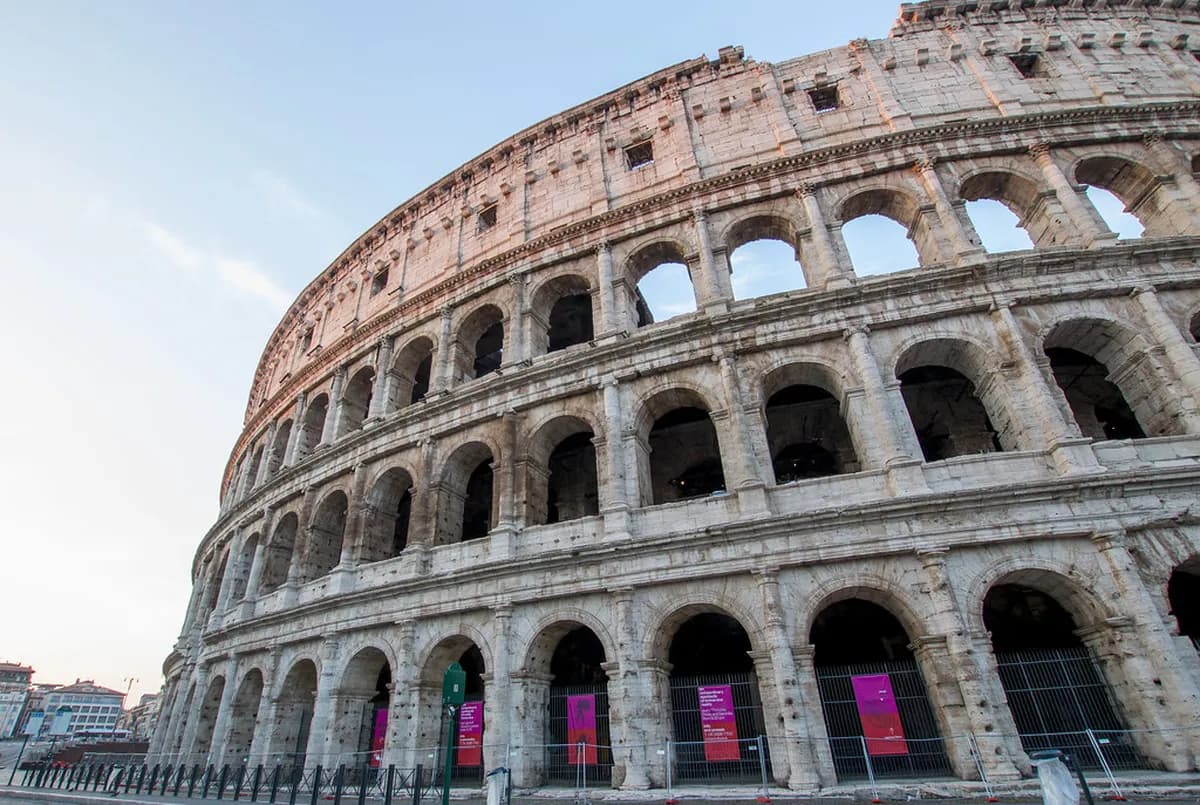
Rome Weather By Month: 17 Essential Seasonal Insights
Plan your trip with our Rome weather by month guide. Includes average temperatures, rainy seasons, packing tips, and the best time to visit for fewer crowds.
On this page
Rome Weather By Month: 17 Essential Seasonal Insights
Late spring (May to early June) and early fall (September to October) are the sweet spots for Rome. This guide covers every month's average temperatures, rainfall, sunshine hours, and seasonal atmosphere to help you pick the right dates for your trip in 2026.
Rome has a classic Mediterranean climate: hot, dry summers and cool, wet winters. Each month carries a distinct character — festive winter markets, azalea-covered stairs in April, the golden light of October. Getting the timing right affects your comfort, your budget, and your ability to enjoy outdoor sites without queuing in 35°C heat.
Whether you want to skip the crowds, catch a specific festival, or simply walk cobblestone streets in comfortable air, the breakdown below has everything you need.
May is widely regarded as the best month for weather in Rome. Average highs reach 24°C (75°F) with mild evenings around 13°C (55°F), while sunshine stretches to 8.5 hours per day — ideal for outdoor sightseeing without overwhelming heat.
Rome Weather Overview: Mediterranean Climate Basics
Rome sits about 28 km inland from the Tyrrhenian Sea, and that proximity keeps winters mild by European standards. The city center, however, creates a pronounced heat island effect in July and August — stone buildings absorb heat during the day and radiate it overnight, so the urban core can run 3–4°C hotter than the surrounding hills. According to WeatherSpark, the warmest nights of the year average 19°C, but during heatwaves the city center rarely drops below 25°C after dark.
Rainfall peaks in November and January, but even the wettest months deliver brief shower bursts rather than all-day downpours. Summer (June–August) is almost entirely dry. The transition months — March, April, and October — can produce short, intense afternoon storms, so a compact umbrella earns its place in your daypack year-round.
Sunshine hours vary enormously by month and matter for photographers and walkers planning long outdoor itineraries. The table below summarises the averages across the year, based on long-term climate records from the World Weather Online dataset for central Rome.
| Month | Avg High (°C) | Avg Low (°C) | Rain Days | Sunshine (hrs/day) |
|---|---|---|---|---|
| January | 13 | 3 | 7 | 4.0 |
| February | 14 | 4 | 7 | 4.5 |
| March | 16 | 6 | 7 | 5.5 |
| April | 19 | 8 | 9 | 6.5 |
| May | 24 | 13 | 6 | 8.5 |
| June | 28 | 16 | 4 | 9.2 |
| July | 31 | 18 | 2 | 10.0 |
| August | 31 | 18 | 3 | 9.6 |
| September | 27 | 16 | 6 | 7.9 |
| October | 22 | 12 | 8 | 6.2 |
| November | 17 | 8 | 9 | 4.0 |
| December | 13 | 4 | 8 | 3.6 |
Understanding the Best Time To Visit Rome: Seasonal Guide & Weather Tips comes down to balancing these numbers against your tolerance for crowds and heat. The sections below go month by month so you can zero in on your ideal window.
January: Cool Temperatures and Low Crowds
January is the coldest month in Rome. Average highs sit at 13°C / 55°F and lows drop to around 3°C / 37°F, occasionally lower on nights when the Tramontana — the cold north wind from the Apennines — blows through. Daylight is short at roughly 9.5 hours, so plan outdoor sightseeing tightly around the midday window.
The upside is that January offers the shortest lines of the year at every major landmark. Museums are peaceful and local restaurants are full of Romans rather than tourists. It is also the best time for exploring Rome in winter on a budget: accommodation rates hit their annual floor and flight prices follow. The Epiphany on January 6th (La Festa dell'Epifania) brings lively street markets around Piazza Navona, and free-museum Sundays (the first Sunday of every month) are a genuine perk at the Colosseum complex.
Pack warm, wind-resistant layers and comfortable waterproof shoes — the cobblestones hold puddles after rain and can be slick. Despite the chill, the city is fully alive, with winter sales running through the month and espresso culture pulling you into warm bars on every corner.
February: Chilly Days and Off-Season Perks
February remains cool with highs around 14°C / 57°F and lows near 4°C / 39°F. Days lengthen slightly to about 10–11 hours, giving you a bit more daylight for afternoon walks. Rain is possible but many days surprise with bright, clear sunshine that makes the marble facades glow.
Tourism stays low, allowing for a genuinely intimate experience. You can work through the full list of 12 Best Things to Do in Rome without fighting for space at the Pantheon or Trevi Fountain. Carnival (Carnevale) brings costumed events and sweet fried pastries called frappe and castagnole — a local tradition worth timing your trip around. Valentine's Day adds a romantic charge to the piazzas and riverside promenades.
Budget travelers find February a strong choice: five-star hotels regularly undercut their peak-season rates by 40–50%. Carry a compact umbrella and dress in dry-wicking layers. The parks are not yet in bloom, but the quiet grandeur of Borghese Gallery with a near-empty booking slot more than compensates.
March: Unpredictable Spring Transitions
March is the month where Rome remembers it is supposed to be warm. Average highs reach 16°C / 61°F by month's end, but mornings still hover around 6°C / 43°F and brief rain showers can interrupt any afternoon. Packing versatile layers is not optional — it is mandatory.
The city begins to stir outdoors again. Cafe tables reappear on pavements, flowers emerge in Villa Borghese, and the tourist footprint starts to grow. If Easter falls in March, expect a sharp jump in visitor numbers and hotel prices in the final week, so book well in advance. The Giornate FAI di Primavera weekend, run by Italy's heritage foundation FAI, opens private courtyards and historic buildings normally closed to the public — an insider event most visitors miss.
Sunshine averages around 5.5 hours per day, enough for a full morning at the Palatine Hill before clouds roll in. Keep a mid-layer in your bag and accept that the weather may simply not cooperate. On balance, March rewards flexibility with some of the year's most atmospheric, sparsely-populated streets.
April: Mild Weather and Blooming Gardens
April is one of Rome's most celebrated months. Highs average 19°C / 66°F and the city's parks transform: the Spanish Steps are lined with pink and white azaleas for the Azalea Festival (Mostra delle Azalee), Villa Doria Pamphilj turns lush green, and the Orange Garden on the Aventine Hill offers one of the finest views in the city. Daylight stretches to around 13 hours, meaning long, golden evenings.
The Rome Marathon runs in mid-April and temporarily closes key roads, so check the route before building your day's itinerary. Easter brings the year's first significant crowd surge — St. Peter's Square fills for the Pope's Urbi et Orbi blessing, and the Colosseum sees queues from early morning. Book skip-the-line tickets for the Colosseum and book your accommodation at least six weeks out if you plan to be in Rome over the Easter weekend.
Occasional showers are part of the deal in April — about nine rain days on average — but they usually clear within an hour. Outdoor dining is back in full force. Comfortable walking shoes on the cobblestones and a light packable jacket are all you need.
May: The Sweet Spot for Sightseeing
May is widely regarded as the best month for weather in Rome. Average highs reach a comfortable 24°C / 75°F with humidity still relatively low. The evenings are mild — around 13°C / 55°F — perfect for a long dinner on a terrace. Sunshine averages 8.5 hours per day. Late-May can spike; our team recorded a brief heatwave reaching 30°C / 86°F during a late-May visit, so keep a light cotton layer and a refillable bottle handy.
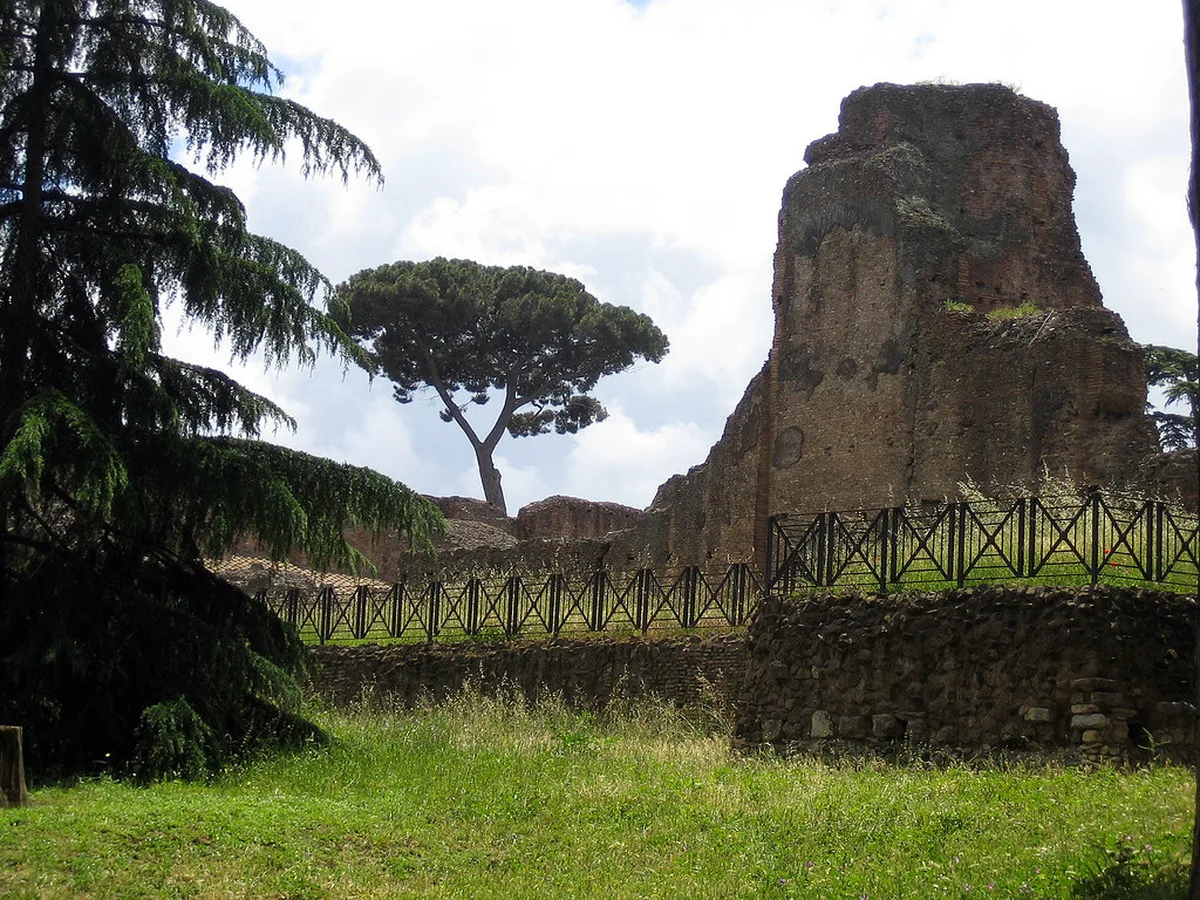
The city's parks are at their most exuberant. You can spend entire days outdoors without feeling overwhelmed by heat — ideal for the Appian Way, the Borghese Gardens, and long walks across Trastevere. This is also a prime time for a food tour through open-air markets like Campo de' Fiori, where strawberries, artichokes, and fresh cheeses are in peak season. Crowds are high, but the atmosphere is energetic rather than oppressive.
Rain drops to only about six days for the whole month. Bring light cotton clothing and keep one thin sweater for breezy evenings. May fills up fast, so book popular timed-entry sites — the Vatican Museums, Colosseum, Borghese Gallery — at least two weeks ahead.
June: Sunny Skies and Rising Heat
June signals the arrival of real Mediterranean summer. Highs average 28°C / 82°F and humidity begins climbing, making afternoons feel noticeably sultry. The summer solstice delivers roughly 15 hours of daylight — ideal for long evenings at outdoor restaurants, but exhausting if you try to walk five kilometers of ruins at 2:00 PM.
The Feast of Saints Peter and Paul on June 29th is a public holiday in Rome, celebrated with a spectacular fireworks display over Castel Sant'Angelo. The Estate Romane (Roman Summer) festival season kicks off, filling parks and piazzas with outdoor cinema, concerts, and food markets through September. Early morning — before 09:00 — is the best window for the Colosseum and Forum; the stone radiates yesterday's heat by mid-morning.
Rainfall dips to just four days for the month. Sunscreen, a hat, and a reusable bottle are non-negotiable. When deciding 10 Best Neighborhoods for Where to Stay in Rome in summer, air conditioning is essential — not optional. Budget two hours of midday downtime at your hotel or inside a museum to preserve your energy for the evenings.
July: Peak Summer and High Temperatures
July is Rome's hottest and most intense month. Average highs sit at 31°C / 88°F, but heatwaves — which have become more frequent in recent summers — push past 38°C / 100°F for days at a time. The stone buildings and narrow streets trap heat; it rarely feels cooler than 25°C at midnight in the city center. According to WMO World Weather, July records barely two days of measurable rain in a typical year.
The Festa de' Noantri in Trastevere (last two weeks of July) is a neighborhood street festival rooted in Roman folk tradition — music, processions, and outdoor dining stretching across the entire quarter. Opera at the Baths of Caracalla runs through the summer and is a genuinely memorable way to spend a July evening. The Vatican Museums provide a cool five-hour escape from the midday heat.
Plan your day in two blocks: before 10:00 and after 18:00. The hours in between are best spent in air-conditioned museums, a cool church, or resting at your hotel. Light linen, the city's free 'nasoni' drinking fountains, and an early dinner reservation make July manageable. Peak tourist season means every attraction needs advance booking.
July is Rome's hottest month with average highs of 31°C (88°F), but heatwaves frequently exceed 38°C (100°F). The heat island effect in the city center means temperatures rarely drop below 25°C (77°F) at midnight. If you are heat-sensitive, September or October are significantly more comfortable alternatives.
August: Intense Heat and Local Ferragosto
August matches July for heat — highs consistently hit 31°C / 88°F with high humidity making it feel hotter. The heat island effect is at its worst: the dense urban stone radiates warmth through the night, and many areas of the city center feel airless in the afternoons. Many Romans leave town for the coast in the second week of August.
Ferragosto on August 15th is the pivot point. Most family-run restaurants, small shops, and many local bakeries close for the surrounding week or two. Larger tourist-facing businesses and all major museums and monuments stay open, so the Colosseum, Vatican, and Borghese Gallery remain accessible. The silver lining: the week of August 15th–20th sees the lightest tourist crowds of the entire summer, making it surprisingly good for queuing purposes. Day trips from Rome to the coast at Sperlonga or Anzio become very appealing — see our guide to 11 Best Day Trips from Rome for cooler coastal options.
Always verify restaurant openings before heading out in August. Dramatic afternoon thunderstorms arrive a few times during the month, providing brief but intense relief from the heat. Pack as lightly as possible and prioritise accommodation with strong air conditioning and ideally a rooftop fan for sleeping.
September: Pleasant Warmth and Golden Light
September is the month that earns Rome its most enthusiastic repeat visitors. Average highs drop to 27°C / 81°F, the evenings cool to a manageable 16°C / 61°F, and the light takes on a warm amber quality that photographers and painters have chased for centuries. Humidity eases and outdoor walking becomes genuinely enjoyable again throughout the day — not just at dawn and dusk.
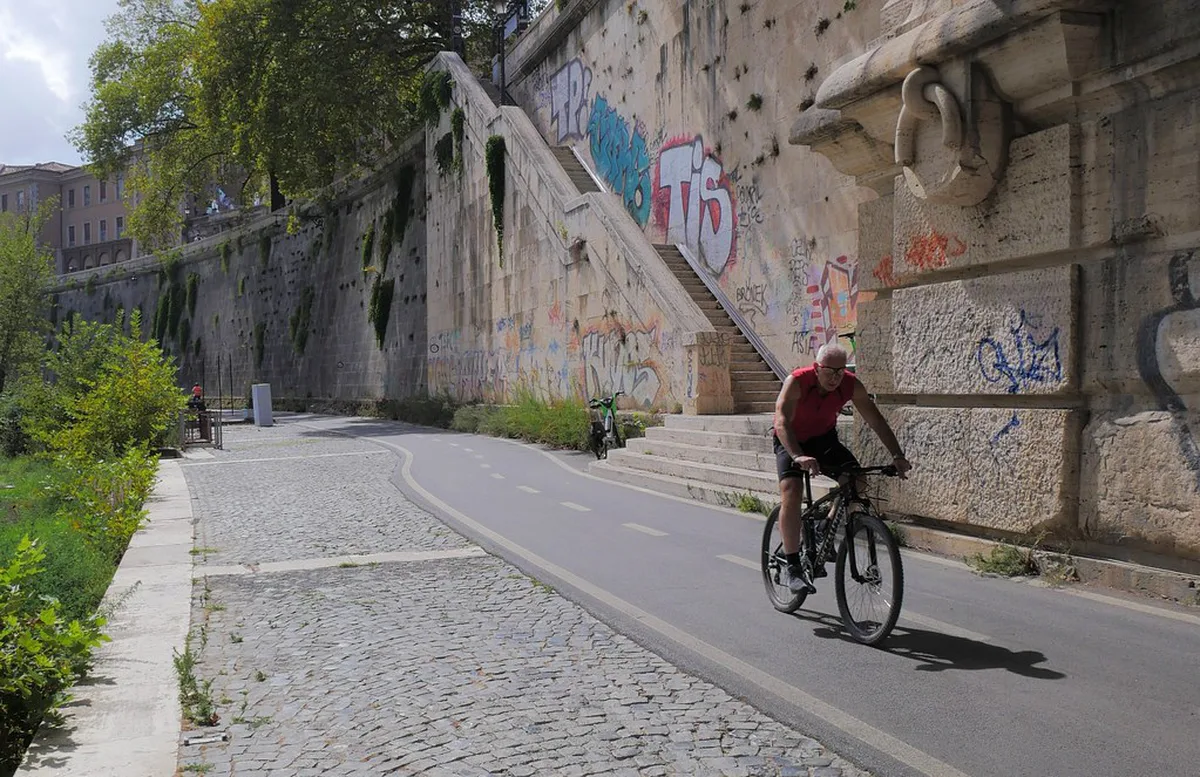
The Taste of Roma food festival in early September brings top chefs and street food to the Auditorium Parco della Musica, while the RomaEuropa contemporary arts festival runs from late September through November. The harvest season starts in the Castelli Romani hills just south of the city, and wine tasting day trips become excellent options. Palatine Hill and the Circus Maximus are beautiful in the soft September light and considerably less crowded than in July.
Rain picks up slightly toward the end of the month — around six rain days total — but most fall as quick afternoon showers. Outdoor dining is at its best. September routinely beats May for overall visitor satisfaction given the combination of warm weather, fewer crowds than peak summer, and the sensory pleasure of the autumn light.
October: Mild Autumn and the "Ottobrate Romane"
October is famous among Romans for the 'Ottobrate Romane' — the beautiful Roman Octobers. The term describes the stable, sun-filled weather that returns after September's first hints of rain: clear blue skies, highs around 22°C / 72°F, and crisp evenings near 12°C / 54°F. Historically Romans used this weather for autumn outings (ottobrate) to the countryside, and the tradition lives on in vineyard trips to the Castelli Romani and picnics in Villa Ada.
The Rome Film Festival runs in mid-October at the Auditorium Parco della Musica, bringing international premieres and open-air screenings. Autumn foliage begins transforming the parks — the plane trees along the Tiber, the oaks of Villa Pamphilj — into a patchwork of amber and ochre. The air is dry, visibility is excellent for climbing the dome of St. Peter's Basilica, and October sunsets from the Pincio terrace are among the most photographed in Italy. According to AccuWeather, October ranks as one of the most comfortable months of the year.
Crowd levels remain moderate — lower than summer but higher than winter. Pack a light jacket for evenings and carry an umbrella for the eight or so rain days. October is an excellent all-round choice for a first Rome visit, with mild weather, good availability at top restaurants, and a full calendar of cultural events.
November: The Rainy Season in Rome
November is statistically the rainiest month in Rome. Temperatures fall to highs of 17°C / 63°F and lows of 8°C / 46°F, and you should expect around nine rain days — though these are typically short afternoon bursts rather than all-day downpours. The city takes on a moodier, more introspective atmosphere that many slow travelers actively prefer.
Crowd levels drop significantly after the first week. The Vatican Museums, Capitoline Museums, and Palazzo Altemps become genuinely spacious. All Saints' Day on November 1st is a national public holiday, and the Roma Jazz Festival brings excellent concerts to venues across the city through the month. The autumn foliage hits its peak in early November, particularly beautiful along the Tiber embankments and in the Borghese parklands.
Waterproof ankle boots — not just shoes — are the most important November packing item given wet cobblestones. Layer a warm mid-layer under a waterproof shell and you will be comfortable all day. Flight and hotel prices are at their autumn low. November suits anyone who prioritises museum depth, good food, and unhurried exploration over postcard weather.
December: Winter Chill and Holiday Magic
December brings cold air back to the streets, with highs averaging 13°C / 55°F and nights dropping to 4°C / 39°F. The sun sets before 17:00, so outdoor sightseeing is effectively compressed to about seven hours. What December loses in light it gains in spectacle: the city covers itself in fairy lights, Piazza Navona hosts a traditional Christmas market (Fiera di Natale), and life-size nativity scenes (presepi) appear in churches across every neighbourhood.
Vatican Christmas Eve Mass is held on December 24th and draws enormous crowds — book free tickets through the Prefecture of the Papal Household months in advance if you want entry inside St. Peter's Basilica. The days around Christmas and New Year bring a brief tourist surge, but mid-December outside those holiday peaks is genuinely quiet. Indoor trattorias with slow-braised dishes like coda alla vaccinara (oxtail) and ribollita are the quintessential December dining experience.
Pack a warm coat, gloves, a scarf, and waterproof footwear. December rain days average eight. The crisp air makes marble and travertine facades look particularly sharp, and the holiday atmosphere gives even familiar landmarks a different character. For budget travelers, mid-December (10th–22nd) offers near-January prices with a festive backdrop.
Season Comparison: Temperatures, Crowds, and Events at a Glance
Choosing the right season depends on what matters most: weather comfort, crowd tolerance, price, or the chance to catch a specific festival. Summer offers maximum sun but maximum heat and queues. Spring and autumn deliver the best balance. Winter rewards budget-conscious travelers with empty monuments and cozy local atmosphere.

| Season | Temp Range | Crowds | Prices | Key Events | Best for |
|---|---|---|---|---|---|
| Spring (Mar–May) | 16–24°C / 61–75°F | High | High | Easter, Rome Marathon, Azalea Festival | Sightseeing & gardens |
| Summer (Jun–Aug) | 28–31°C / 82–88°F | Peak | Peak | Estate Romane, Ferragosto, Caracalla Opera | Nightlife & festivals |
| Autumn (Sep–Nov) | 17–27°C / 63–81°F | Moderate | Moderate | Taste of Roma, Rome Film Festival, Jazz Fest | Food, photography |
| Winter (Dec–Feb) | 13–14°C / 55–57°F | Low | Low | Ferragosto Natale, Carnival, Epiphany | Budget & museums |
Keep in mind that heatwaves in July and August have become more frequent in recent summers. Climate data from pre-2015 can understate how hot July and August now feel in practice. If you are sensitive to heat, September or October will serve you far better than the summer peak.
Best Time to Visit Rome: Seasonal Recommendations
For most travelers, late April, May, and early October represent the best combination of weather, crowd levels, and cultural life. Highs stay between 19–22°C, sunshine averages 6–7 hours per day, and the city's outdoor spaces — parks, archaeological sites, piazzas — are at their most inviting. These windows also coincide with Rome's most vibrant festival calendar: the Azalea Festival in April, the RomaEuropa season in October.
If you want mild weather and a genuine bargain, early November or late February are underrated. Temperatures are cool but manageable (14–17°C), prices fall sharply, and the absence of summer crowds means you can spend an unhurried two hours inside the Colosseum rather than being shuffled through in 45 minutes. November rain is the main drawback; a waterproof shell and ankle boots solve it.
Families with children often do better in September than July or August. The heat is less punishing, ice cream vendors are still everywhere, outdoor playgrounds in the parks are in full swing, and the back-to-school period means Italian families are home — so the tourist-to-local ratio at restaurants shifts in your favor. Solo travelers and couples chasing romance tend to love January and February for the combination of empty piazzas, candlelit trattorias, and the feeling of having the Eternal City largely to themselves.
Civitavecchia vs. Rome City Center: What Cruise Travelers Need to Know
Roughly one in five visitors arrives in Rome via the port of Civitavecchia, 70 km northwest of the city center. The two locations have meaningfully different weather profiles that affect embarkation day planning. Civitavecchia sits directly on the Tyrrhenian coast and benefits from a sea breeze that keeps summer highs 2–4°C cooler than central Rome — in August, Civitavecchia typically averages 29°C while the city center can hit 33°C or more. In winter the coastal location keeps Civitavecchia slightly warmer at night and more prone to sea fog in the early morning.
The practical implication: if your cruise departs at 18:00 in August, plan for a full day in Rome but arrive back at the port by 16:00 — the 70-minute train or bus journey in August heat, combined with luggage logistics, is draining. Early-morning arrivals at Civitavecchia in winter often find thick coastal fog that can delay tender operations or port entry by one to two hours, whereas central Rome 70 km inland may be clear and sunny at the same time. Neither location represents the other's weather.
The direct train from Roma Termini to Civitavecchia takes about 70 minutes (Trenitalia regional, roughly €5). Shuttle buses from the port gate to the train station run every 20 minutes. Factor both legs into your Rome day-trip planning — and in July or August, carry 1.5 litres of water for the return journey.
What to Pack for Rome's Changing Weather
Packing for Rome requires balancing the city's dress codes with its climate extremes. Many religious sites — St. Peter's Basilica, the Pantheon, most churches — require covered shoulders and knees year-round, regardless of outside temperature. A light linen scarf doubles as a fashion accessory and a cover-up at the door.
- Summer (June–August): Lightweight linen or cotton clothing, wide-brimmed hat, SPF 50 sunscreen, reusable water bottle, packable compact fan for queuing, sandals for evenings but comfortable walking shoes for cobblestones, a light cardigan for air-conditioned museums and restaurants.
- Spring and Autumn (March–May, September–November): Layers that peel off by midday — a cotton shirt, a light fleece or structured jacket, and a waterproof shell that packs small. Sturdy waterproof walking shoes or ankle boots are more useful than trainers in October–November when cobblestones stay damp. A compact travel umbrella always earns its 200 grams.
- Winter (December–February): A proper warm coat, thermal underlayers, scarf, gloves, and hat. Waterproof leather ankle boots with grip soles for slick cobblestones after rain. Even a mid-tier winter wardrobe is fine — Rome rarely drops below freezing and never for long.
- Year-round essentials: Comfortable low-heeled walking shoes (cobblestones punish high heels and thin soles), a cross-body bag for pickpocket-prone areas, a portable charger, and a reusable bottle to fill at the free nasoni fountains scattered across the city.
A note on cobblestone-safe footwear: this is the item visitors most often wish they had packed differently. Sampietrini (the small basalt cobbles that cover most of Rome's historic center) are beautiful and treacherous — round-soled sneakers with no grip slip on wet stone, and flat sandals leave your feet aching after ten kilometers. A rubber-soled ankle boot or a proper walking shoe with lateral support is the single best footwear investment for any season.
What's Closed or Reduced in Low Season
Rome is genuinely a year-round city, but some experiences are seasonal. Outdoor opera at the Baths of Caracalla runs mid-July to early August and goes dark the rest of the year. Rooftop bars are open in summer but many install plastic enclosures or close entirely from November through March — check before making reservations. Outdoor swimming pools operate late May through September only.
Boat tours on the Tiber River often reduce to weekend-only schedules from November to March. Direct summer ferries from Civitavecchia to the islands of Ponza and Ventotene run from late June through August and stop entirely in winter. Beach clubs at nearby Ostia and Fregene close from October through April. The Terme di Caracalla site itself stays open year-round for archaeological visits but guided evening tours are summer-only.
Frequently Asked Questions
What is the rainiest month in Rome?
November is typically the rainiest month in Rome. You can expect around 100mm of rainfall over nine days. It is best to plan indoor museum visits during this time.
Does it ever snow in Rome?
Snow is very rare in Rome and only happens every few years. When it does, it usually melts quickly. The city looks beautiful but transport can be briefly delayed.
Is Rome too hot in July and August?
Yes, Rome can be intensely hot in July and August. Temperatures often exceed 32°C / 90°F with high humidity. Many visitors prefer to stay indoors during the afternoon.
Rome is a city that rewards planning. Whether you time your visit for the azaleas of April, the golden light of October, or the festive quiet of early December, the city's history and food culture remain constant. Use the monthly breakdowns and seasonal recommendations above to match your travel style to the right window — and pack the right shoes whatever month you choose.
You might also like
Continue reading
More guides you'll find useful