7 Best Neighborhoods and Tips for Shopping in Rome
Discover the best shopping in Rome, from luxury boutiques at the Spanish Steps to hidden artisan gems in Monti. Includes sales dates and VAT refund tips.
On this page
7 Best Neighborhoods and Tips for Shopping in Rome
Rome is a global fashion capital where ancient history meets modern style. Exploring the diverse options for shopping in Rome allows you to bring home a piece of Italian culture. You can find everything from world-famous designer labels to small, family-run artisan workshops. This guide covers the top districts and practical tips for a successful Roman shopping trip in 2026.
Every neighborhood in the Eternal City offers a unique retail personality. While some areas focus on high-end luxury, others highlight bohemian vintage finds and local crafts. Knowing where to go helps you avoid tourist traps and find genuine quality. Prepare your walking shoes for an unforgettable journey through the most stylish streets in Italy.
The Luxury Hub: Spanish Steps and Via dei Condotti
Walking through the streets near the Spanish Steps feels like entering a high-fashion dream. Via dei Condotti is the main artery for luxury shopping in Rome, lined with Bottega Veneta, Ferragamo, Hermès, Giorgio Armani, Louis Vuitton, Gucci, Bulgari, and Prada. The Fendi flagship store occupies a magnificent 17th-century palazzo at Largo Carlo Goldoni 420 — worth entering even if you are only browsing. Most stores here open around 10:00 and offer personalized service for high-end buyers.
Nearby Via Frattina and Via Borgognona offer slightly quieter but equally upscale experiences. For local brands with a devoted Roman following, look for Fausto Santini on Via Frattina — shoes and bags made from soft, beautifully finished leather. Heading north from Piazza di Spagna along Via del Babuino brings you to Chanel, Roberto Cavalli, and Miu Miu. Do not overlook Via Margutta, which runs parallel: it is home to art galleries, antique furniture shops, and the understated gentleman's boutique Cruciani & Bella at Via Bocca di Leone 32.
If you are planning 10 Best Neighborhoods for Where to Stay in Rome, the Campo Marzio area puts you within walking distance of all of this. The Spanish Steps area does not belong solely to tourists — actual Romans come here to be seen and to shop the brands they love. Expect higher price points throughout, but the concentration of prestige retail is unmatched anywhere else in the city.
High-Street Favorites: Via del Corso and Via del Tritone
Via del Corso is the most famous commercial street in the heart of the city. It stretches for nearly a mile and connects Piazza del Popolo to Piazza Venezia. This bustling thoroughfare hosts popular international brands like Zara, H&M, and Sephora. It is a great place to find trendy styles at more accessible price points.
For a more modern experience, walk the nearby Via del Tritone. This street has seen significant renovation and now features several flagship stores, with La Rinascente sitting at its most prominent corner. If you are arriving by train, check out the Shopping gallery in Termini Train station for convenient last-minute buys, and notably it stays open on major Italian holidays when most of Rome is shuttered. These central areas remain busy throughout the day with both locals and tourists.
Shopping on Via del Corso is one of the essential 12 Best Things to Do in Rome for first-time visitors. The street is often pedestrian-friendly during the weekends, making it easier to navigate. Many side streets offer smaller boutiques that provide a break from the main crowds. Keep an eye on your belongings as this area can get very crowded during peak hours.
Artisan Treasures: Pantheon and Piazza Navona
The historic center near the Pantheon is one of the best neighborhoods in Rome for upscale boutiques and genuine craftsmanship. The key streets are Via dei Coronari and Via della Scrofa — not the monument-fronting tourist strips, but the quieter lanes just behind them. Essenzialmente Laura at Via dei Coronari 57 sells unique fragrances by perfumer Laura Bosetti Tonatto, who created scents for Queen Elizabeth II. Co.Ro. Jewels at Via della Scrofa 52 makes elegant jewelry inspired by Roman architecture, including aqueduct rings and Pantheon-motif earrings.

For leather goods, Sirni at Via delle Stelletta 33 produces artisanal bags and accessories that represent true Made in Italy quality. Velasca at Via di Campo Marzio 9 and 71 sells beautifully crafted shoes built to last. The rule of thumb for distinguishing genuine handmade leather from mass-produced tourist imports: look for workshops where you can see craftsmen at work, check for slight natural variations in the grain, and feel for a soft, matte texture rather than a shiny synthetic finish. Items that smell strongly of chemical dyes or feel stiff at the fold are not genuine full-grain leather.
This area also features wonderful stationery shops selling hand-marbled paper and leather-bound journals. The narrow alleys around Piazza Navona hide small galleries and independent jewelry designers. Exploring these backstreets — and Via del Governo Vecchio just behind the piazza — often leads to the most memorable discoveries. Plan a half-day here and combine it with a visit to the Pantheon itself. For more on navigating the Rome Neighborhoods Guide: 10 Best Areas, see our full breakdown of how the historic center is structured.
Vintage and Indie Vibes: Monti and Via del Governo Vecchio
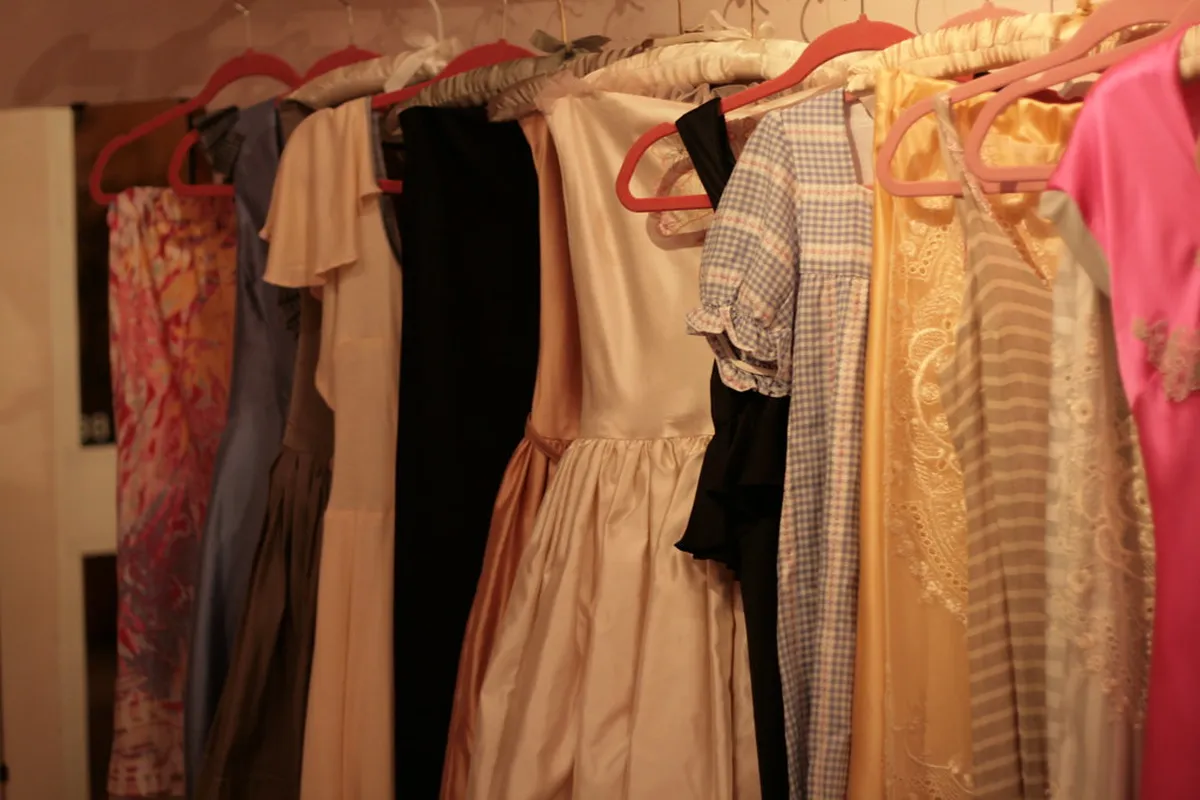
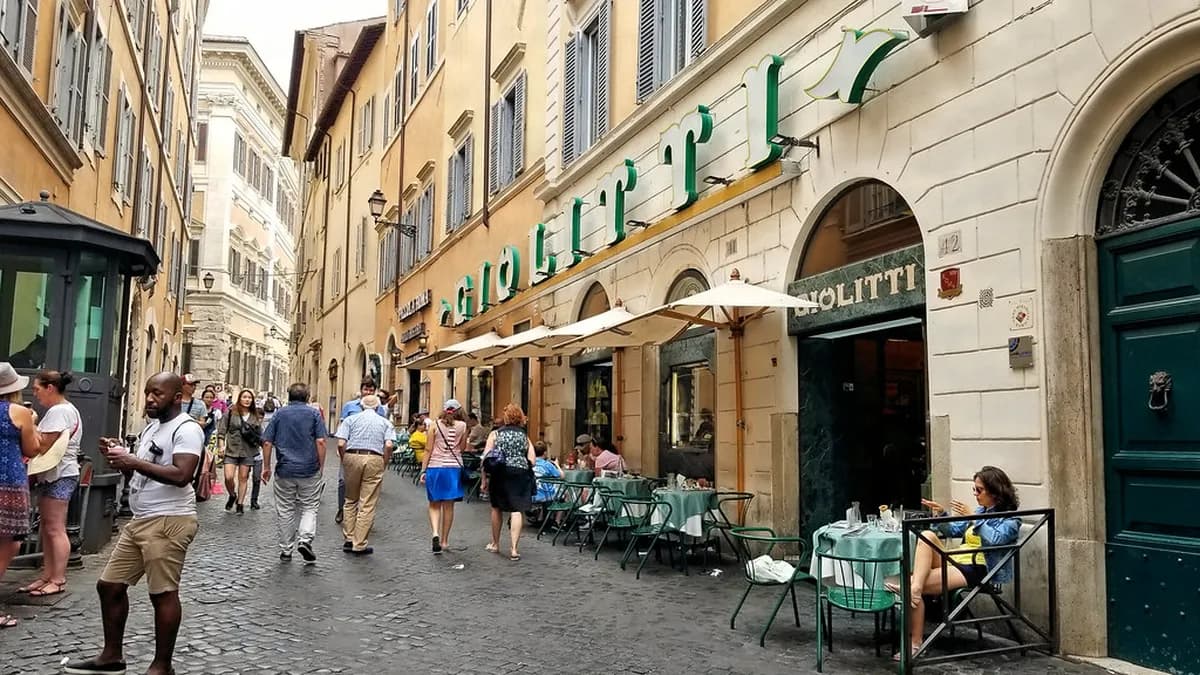
Monti is Rome's coolest neighborhood for independent fashion and vintage finds. The 8 Essential Things to Know About the Monti Neighborhood in Rome guide highlights its bohemian spirit and creative energy. Via del Boschetto, Via Urbana, and Via dei Serpenti are lined with boutiques featuring young Roman designers. For stylish womenswear, LOL at Via Urbana 89 and 92 (and Piazza Madonna dei Monti 1) is a local favorite. Nearby, Moll Flanders at Via Urbana 132 sells luxury second-hand clothes for men and women.
On the other side of the river, Via del Governo Vecchio behind Piazza Navona offers a similar vibe — and many Romans consider it the better of the two for serious vintage hunting. This street has a dense concentration of high-quality second-hand clothing stores alongside small independent boutiques. You can spend hours hunting for classic designer pieces or unique accessories from decades past. Prices vary depending on the rarity and condition of the items you find.
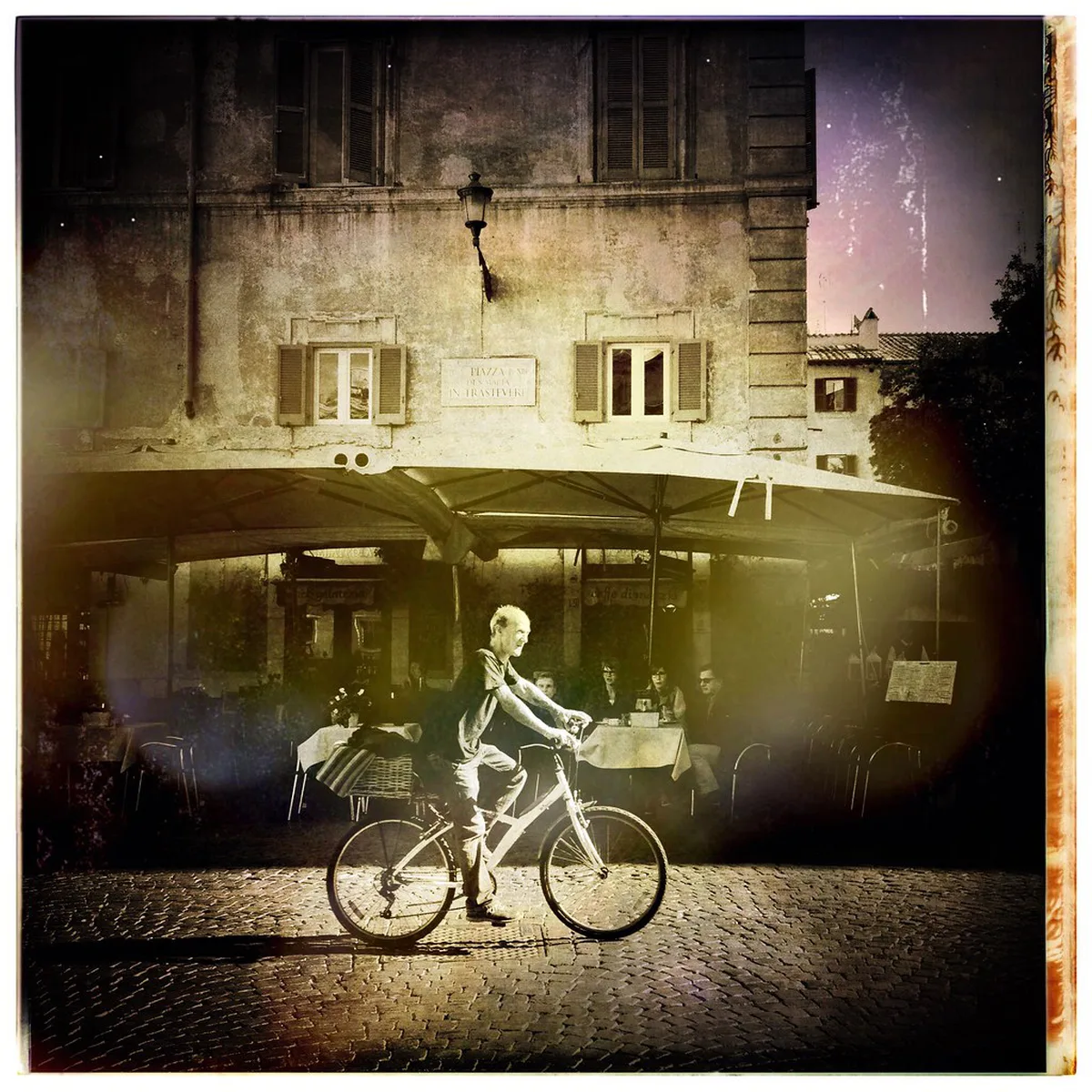
Indie shops in these areas often have limited opening hours compared to the big chains. Many boutique owners take a break in the early afternoon for lunch. Visiting in the late afternoon or early evening provides the best shopping atmosphere. The local cafes nearby are perfect for a post-shopping espresso or glass of wine. Trastevere, just across the river, has fewer dedicated boutiques but throws up occasional gems — Trastevere Rome Neighborhood Guide: Stay, Eat, and Explore covers the neighborhood layout if you want to combine both in one afternoon.
Local Chic: The Prati Neighborhood
For a more authentic Roman experience, head across the Tiber River to the Prati neighborhood. Via Cola di Rienzo is the primary shopping street here and serves as a favorite for local residents — think of it as the local alternative to Via del Corso: high-end but without the tourist crush. It offers a mix of high-end brands and mid-range shops, including the Coin department store and Tiffany's. You can also find specialized gourmet food shops that make for excellent edible souvenirs.
Venture past Via Cola di Rienzo into the residential side streets — Via dei Gracchi, Via degli Scipioni, and their cross streets — to find genuinely innovative shops. Antica Manifattura Cappelli at Via degli Scipioni 46 sells beautiful hand-designed hats by Patrizia Fabri, one of Rome's best-kept fashion secrets. The atmosphere in Prati feels more relaxed and residential compared to the busy historic core. Many shops here stay open through the afternoon, which is not always the case in smaller districts.
Prati is easily accessible by the Metro A line, making it a convenient detour from the main sights. The wide sidewalks make for a pleasant stroll even during the busier weekend hours. You will find many professional Romans shopping here for their daily wardrobes. Consider visiting this district if you want to shop like a true local and avoid paying a tourist premium on the same brands.
The Department Store Experience: La Rinascente
La Rinascente is the premier luxury department store in Rome. The flagship location on Via del Tritone occupies a beautifully remodeled building spread across 8 floors. Italian brands on offer include Missoni, Valentino, Max Mara, and Miu Miu. International names like Louis Vuitton and Stella McCartney share space alongside them, making it the best single-stop destination in the city for high-fashion shopping.

One of the most unique features of this store is the ancient Roman aqueduct in the basement — specifically a section of the Aqua Virgo dating to the 1st century BCE, which still functions today. You can view these ruins while browsing the design collections, a combination that is entirely unique to Rome. The rooftop restaurant has a terrace with breathtaking views over the Roman skyline. It is the perfect place to pause for a luxury lunch after a morning of intense shopping.
The store provides excellent customer service, including personal shoppers and tax-free assistance. It is fully air-conditioned, making it a great refuge during the hot summer months — a genuine practical advantage when temperatures in July and August regularly exceed 35 °C. Check the Official Italian Tourism - Shopping Info for more details on premier retail locations across Italy. La Rinascente often stays open later than smaller boutiques in the historic center.
Practical Guide: Sales, Hours, and VAT Refunds
Timing your visit can lead to significant savings on Italian fashion. The Saldi (seasonal sales) happen twice a year and are regulated by region — all shops in Lazio must begin and end them on the same day. Winter sales in Rome begin on the first Saturday of January and run through most of February. Summer sales start on the first Saturday of July and continue through most of August. Discounts range from 30 percent to 70 percent, and some shops will offer the sale price to customers who ask in the few days before the official start — though major brands like Prada and Max Mara strictly follow the official dates.
Rome's Saldi sales are strictly regulated by law: winter sales run from the first Saturday of January through February, and summer sales begin the first Saturday of July through August. Plan your trip to coincide with these windows to save 30–70% on Italian luxury brands.
Traditional shop hours follow a different rhythm than most visitors expect. Monday mornings, many smaller shops are closed, reopening around 15:00–16:00. Tuesday through Friday, shops generally open at 09:30–10:00, close for a siesta around 13:00, then reopen at 15:00–16:00 until 19:00–20:00. Saturday mornings run from 10:00 to 13:00. Large international chains and department stores around the Spanish Steps and Via del Corso stay open all day without a break. Many tourist-area shops now open on Sundays, but expect closures on major Italian holidays — Easter Sunday, 15 August (Ferragosto), and Christmas Day. On those days, Termini station is your best fallback.
Non-EU residents can reclaim VAT on purchases over €154.95 from a single shop in a single day. Ask the shop assistant for a Tax-Free form at the time of purchase and show your non-EU passport. The shop must complete and stamp the form. At Fiumicino Airport, the process is sequential: first go to the Customs desk (before checking your luggage) in the Departures hall, present the unused items, receipts, and forms for an official stamp. Then carry the stamped forms to the nearest refund agency counter — Global Blue and Planet (formerly Premier Tax Free) both operate at Fiumicino. You can receive your refund in cash on the spot or have it credited back to your card within a few days. Arrive at the airport at least three hours early; the Customs queue can be long during peak summer season.
| Area | Best for | Price Range | Atmosphere |
|---|---|---|---|
| Spanish Steps & Via dei Condotti | Luxury designer labels (Gucci, Prada, Hermès) | Highest | Crowded, prestige-focused, open through lunch |
| Via del Corso | International high-street brands (Zara, H&M, Sephora) | Mid | Busy, pedestrian-friendly weekends, tourist-heavy |
| Pantheon & Piazza Navona | Artisan boutiques, handmade jewelry, leather goods | Mid-High | Quieter backstreets, requires browsing time, authentic |
| Monti | Independent designers, vintage second-hand, young fashion | Varied | Bohemian, creative, best visited afternoons/evenings |
| Prati (Via Cola di Rienzo) | Local mid-high brands, gourmet food souvenirs | Mid-High | Relaxed, residential, less crowded, authentic Roman |
| La Rinascente | Multi-brand luxury department store, rooftop views | High | Air-conditioned refuge, open late, convenient one-stop |
One thing that surprises many visitors: cash returns are nearly non-existent in Rome by Italian fiscal law. If a shop offers any recourse at all, it will be a store credit or exchange — not a refund — and only within a short window, in original unused condition. Try items on carefully before buying and inspect leather goods closely at the counter. This is especially important for higher-value artisan purchases where the item cannot be returned.
Italian retailers are not required to accept returns. Most shops offer store credit or exchange only, not cash refunds. Inspect all purchases carefully before handing over payment, and try items on properly. This is especially critical for artisan leather goods and higher-value purchases.
Frequently Asked Questions
When are the 'Saldi' (sales) seasons in Rome?
Rome hosts two major sales seasons each year. The winter sales begin in early January, while the summer sales start in early July. During these periods, you can find discounts ranging from 30% to 70% on major brands.
What are the typical shop opening hours in Rome?
Most central shops open at 10:00 AM and close around 7:30 PM. While large stores stay open all day, smaller boutiques might close between 1:30 PM and 4:30 PM. It is always best to check specific hours for independent shops.
How do I claim a VAT refund at Rome Fiumicino airport?
To claim a VAT refund, bring your stamped tax-free forms and receipts to the customs desk at Fiumicino Airport. You must show the purchased items to the officer. Finally, visit a refund agency like Global Blue to receive your payment. Learn more about Getting Around Rome: The Ultimate 2026 Transport & Walking Guide to reach the airport easily.
Where can I find authentic handmade leather bags in Rome?
Authentic leather goods are best found in the artisan workshops near the Pantheon and Piazza Navona. Look for shops on Via dei Coronari or Via della Scrofa. These areas are also great for discovering 20 Best Foods to Eat in Rome: The Ultimate Local Guide after your shopping spree.
Shopping in Rome offers a delightful blend of luxury, tradition, and modern style. Whether you seek high-end fashion or unique artisan crafts, the city has a district for every taste and budget. Remember to check the seasonal sale dates to maximize your travel budget. Planning your shopping route ahead of time ensures you make the most of your Roman holiday.
Take the time to explore the smaller side streets for the most authentic finds. Handle the VAT refund process correctly to save on your purchases, and remember that returns are nearly impossible in Italian shops — inspect everything carefully before you buy. The memories and treasures you bring home will serve as a lasting reminder of Italy. Enjoy the vibrant atmosphere and timeless style of one of the world's greatest retail destinations.
You might also like
Continue reading
More guides you'll find useful